
New Zealand’s weather is changeable. How should you maintain your home’s exterior walls?
Buying? Building? Living in the home yourself? Investing? Do not assume that choosing residential building materials is solely the architectural designer’s responsibility. As the person paying for, living in and maintaining the property, knowing a little more could save you considerable money and trouble later. Today, we look at exterior cladding.

The main functions of exterior walls are generally to keep out wind and rain, provide sound and thermal insulation, and enhance a building’s appearance. For New Zealand’s temperate maritime climate, 5 main types of material are widely used in residential construction. Below, we examine their characteristics and maintenance requirements.
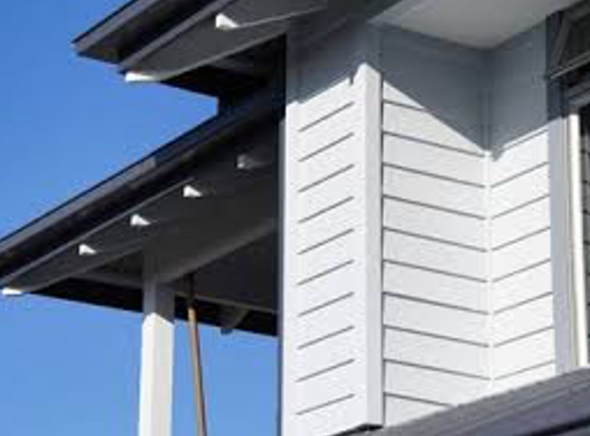
- Weatherboard Weatherboards and cladding boards
Weatherboards can be installed horizontally or vertically and are easy to fit. They are a popular choice for homeowners on a tight budget who want low maintenance costs and an attractive finish.
{ad}
Advantages: inexpensive, lightweight, less prone to leaks, easy to maintain and reasonably well insulated.
Disadvantages: prone to mould and warping in persistently damp conditions, with poor fire resistance.
Maintenance: spray household bleach onto the wall surface to remove mould and moss, mixing bleach and water at a ratio of 1:4, or following the product instructions. Leave it for a while, then rinse with a water blaster, using a cleaning brush as well. Repainting is needed roughly every five years to protect the exterior. Regular maintenance can extend the life of weatherboards and save on repair and replacement costs.
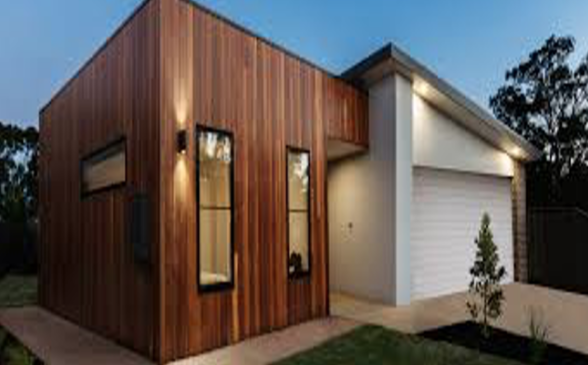
- Cedar Cedar boards
This natural, versatile and resilient timber is a popular choice for homeowners seeking either a contemporary or a classic cladding finish.
Advantages: attractive colour, flexible sizing and environmentally friendly material, with an elegant, premium appearance and reasonably good insulation and insect resistance.
Disadvantages: relatively expensive, poor fire resistance, prone to warping under intense sun, and susceptible to mould or even rot near the ground or in shaded areas.
Maintenance: a thorough clean and application of oil-based paint every 4–5 years is recommended to help protect the boards from sun and rain. As cedar is relatively soft, never use a water blaster at close range, within about half a metre. Instead, scrub it with a specialist exterior cladding cleaner.
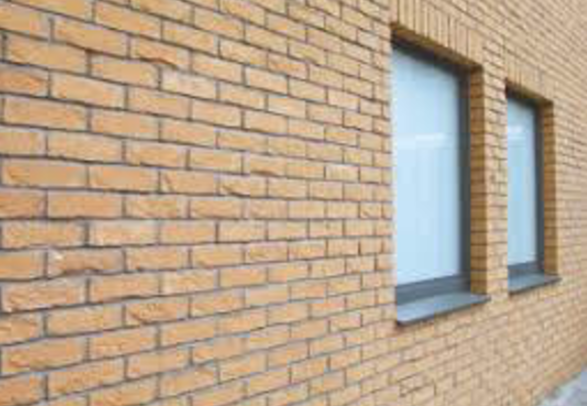
- Brick Brick walls
Brick has been used to build homes for hundreds of years and remains among the most reliable exterior wall materials.
Advantages: good sound and thermal insulation and heat retention, very few leaks, good fire resistance and easy maintenance.
Disadvantages: high construction costs and material that is not environmentally friendly; earthquakes can displace and crack the walls, making repairs difficult. Compared with other cladding materials, brick walls reduce the internal floor area by at least 5%.
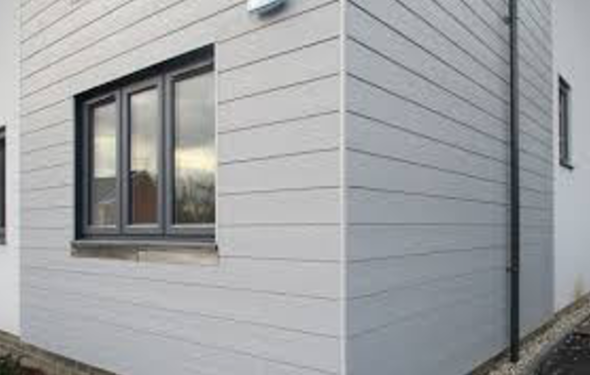
- Fibre cement Fibre cement boards
Specially engineered fibre cement boards are an ideal low-maintenance alternative to traditional building materials. Their contemporary appearance and flexible design options mean many New Zealanders now use them to create striking exterior walls.
Advantages: good fire and insect resistance and thermal insulation, with relatively straightforward cleaning and maintenance. They have a long service life and generally require little maintenance for around 12 years.
Disadvantages: the boards are hard but relatively brittle, so impacts can cause cracks, requiring the entire board to be replaced.
Maintenance: water can seep through board joints, so water blasting must be avoided. Tiny pores in the board surface can harbour mould and moss, potentially leaving black-green patches on the walls. Scrub the walls with a cleaning solution designed for fibre cement boards. Once dry, apply two coats of exterior paint to protect the surface.
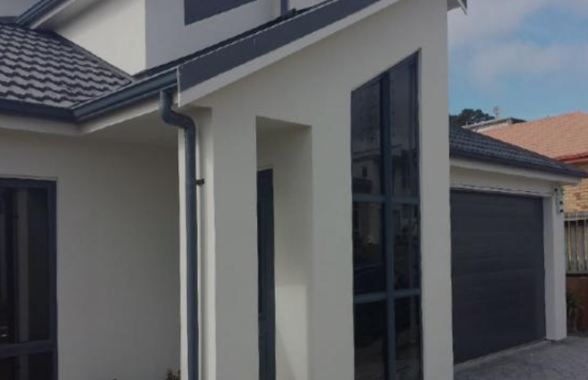
- Plaster Plaster cladding
Mention plaster cladding and many people immediately think of leaky homes. From the early 90s of the last century until before 2004, the government regarded chemically untreated timber as more environmentally friendly. During that period, a major plaster cladding manufacturer introduced a widely used new material, Harditex. This material was relatively hard, completely impermeable to water and resistant to thermal expansion and contraction, making its joints particularly susceptible to water ingress. Once water entered through the joints, the untreated timber framing inside the walls would gradually rot and deteriorate, eventually resulting in a leaky home.
Advantages: attractive appearance, easy construction and relatively low cost.
Disadvantages: plaster cladding installed widely from the early 90s of the last century until before 2004 has no cavity. Prolonged exposure to sun and rain makes the walls prone to cracking, and maintenance costs are very high.
Maintenance: before painting, check all junctions in the plaster cladding for leaks, including those around doors and windows, adjoining other cladding materials, balconies, canopies and vents, and areas close to the ground. After sealing these leaks, apply two coats of waterproof paint to extend the cladding’s life. Otherwise, waterproof paint will only accelerate decay in the timber inside and will not resolve the leaks.
When choosing suitable exterior cladding, several important factors generally need consideration alongside its appearance:
• Cost per square metre is the first consideration for most people, but durability and future maintenance requirements and costs matter more. Generally, choosing inexpensive cladding may mean higher maintenance costs.
• Thermal insulation, sound insulation and heat retention.
• The cladding material’s environmental impact.
• Fire and moisture resistance.
• Ease and speed of installation.
• The building’s location, including wind zone, snow, earthquake and coastal risks.
For example: good sound and thermal insulation and heat retention, with a cavity of 40 mm to 80 mm between the cladding and internal timber framing, means leaks are extremely rare.
(Note: these observations relate only to cladding materials. Architectural designers will usually consider a wider range of factors when choosing suitable cladding.)
Author: Jack Shao
A New Zealand Licensed Building Practitioner (LBP) specialising in construction supervision and founder of AAA Building Inspections. He holds a bachelor’s degree in engineering and diplomas in construction supervision and quantity surveying. With extensive local industry experience in New Zealand, he specialises in comprehensive inspections and assessments of residential and commercial buildings, and construction supervision for medium and large projects.
