How are the early pioneers of subdivision under the Auckland Unitary Plan doing now?
In the blink of an eye, the first month of 2021 has already passed. Virus variants still dominate screens and media headlines. The virus is changing and the economy is changing, but New Zealanders’ enthusiasm for property remains constant.
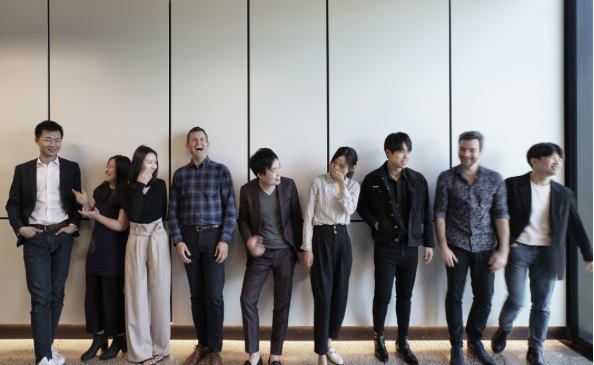
In the blink of an eye, the first month of 2021 has already passed. Virus variants still dominate screens and media headlines. The virus is changing and the economy is changing, but New Zealanders’ enthusiasm for property remains constant.
As New Zealand house prices continue to rise, enthusiasm for subdivision projects keeps growing too, with everyone afraid of missing out on a fortune.
To offer prospective entrants a broader perspective, we were fortunate to interview Owen Xing, founder of X Studio Architects and perhaps one of the earliest pioneers of subdivision under the Auckland Unitary Plan. We asked him about his subdivision experience and his view of today’s market.
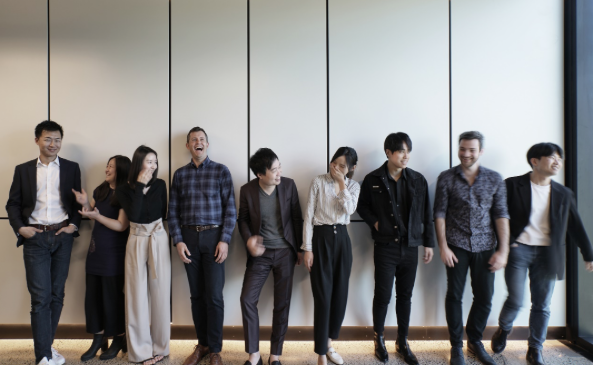
From coding to architectural design
As the founder and one of the lead designers at X Studio Architects, Owen has worked on alterations and additions to numerous large mixed-use projects, as well as subdivision and luxury home designs.
Owen’s background is a little different from that of other architectural designers. Introducing himself, he says candidly: “I’m an architectural designer who was still writing code ten years ago.”
Although he started as a programmer, Owen never forgot his passion for architectural design. He eventually returned to that original ambition, completing a 5-year Master of Architecture (Hons) at the University of Auckland and launching a remarkable career.
After graduating, Owen worked at several well-known, award-winning local design practices. When the Auckland Unitary Plan emerged, he recognised what could be the best opportunity for architects to start a business in the next 10 or even 20 years. X Studio Architects was born.
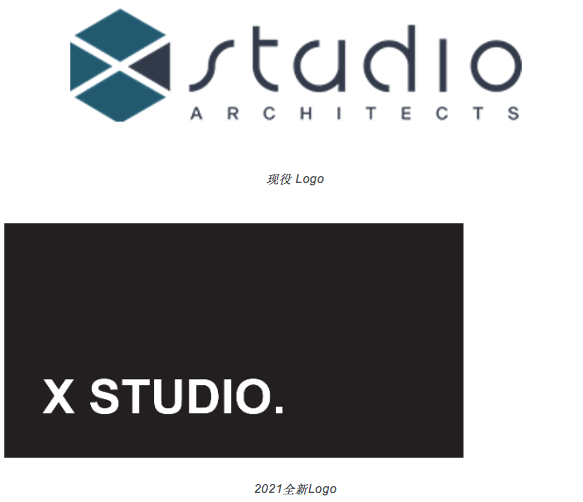
Without the Unitary Plan, there would be no X Studio
Recalling the company’s beginnings, Owen says: “I heard about the plan around the end of 2014 or early 2015. At the time, everyone was still finding their feet, including council planners and private planning consultants. They were learning as they processed applications.
“I realised I had to seize this opportunity. I practically learnt the Unitary Plan of the time by heart and applied it to my projects. That was how I made my first pot of gold.”
Owen continues: “I was still quite young, around 25, and experimented with a couple of sections I owned, applying the Unitary Plan’s provisions to them. I subdivided land of around 800 into 4 lots. That may seem unremarkable now, but at the time it was unusual, perhaps even unprecedented. One subdivision caused quite a stir: from settlement to resale, it achieved an ROI of 100+% within 3 months.
“When friends heard about it, they entrusted their own land to me for subdivision and made a tidy profit themselves. That was the opportunity that launched my business. You could say that without the Auckland Unitary Plan, X Studio Architects would not exist today.”
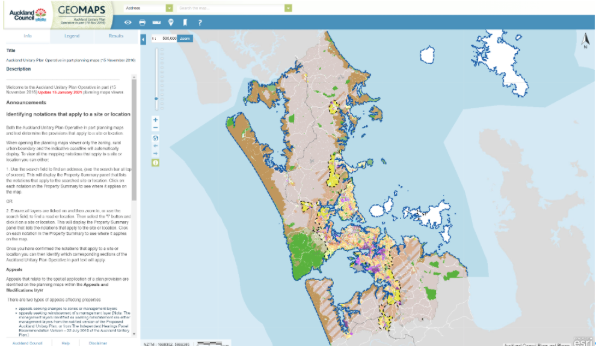
Was subdividing land simpler and more straightforward then? Owen explains: “The requirements were the same as now. If you were going below the permitted density threshold, you had to submit building designs with the subdivision application. So I used my own completed designs for every house.
“The difference was that operating costs of $5 or $60,000 could potentially create more than $20 in value. After all these years of development, though, that process no longer offers any profit.”
Times have changed
Subdivision was X Studio’s first phase after its establishment. Even when subdivision was the main objective, Owen and his team still put care into every project’s design.
X Studio has now grown into a team of 12, and its business is gradually shifting towards a stronger design focus, while Owen’s role is increasingly managerial.
Why change direction when subdivision is at its hottest? Owen says candidly: “Although I’ve been in New Zealand for nearly 20 years, I still think in Chinese. We don’t want to compete directly with other Chinese architectural design firms. We would rather find a point of difference.
“We’ll invest more time in designs we can be proud of. Those projects will become our calling cards, and clients will be willing to pay for our design work. That allows us to move beyond competing purely on price. We would prefer to compete with design practices in the mainstream market.”
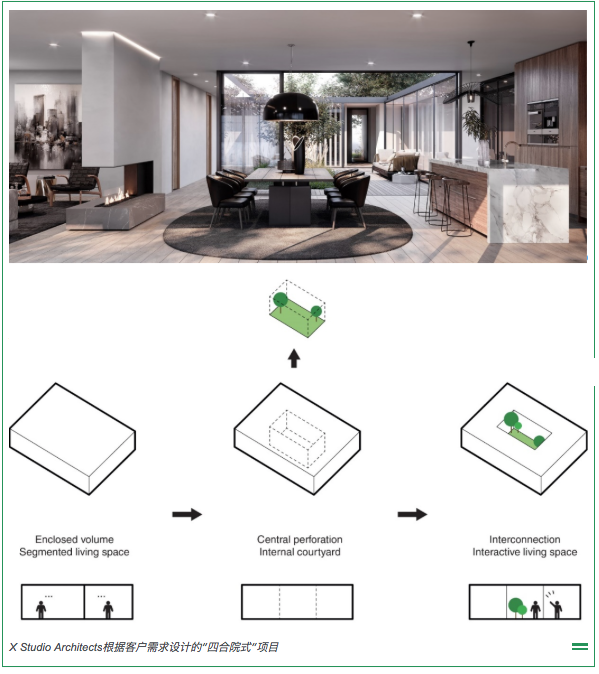
“Practicality certainly matters, but we’ve moved beyond simply unlocking land value. Good design can create additional value,” Owen says.
“Many clients are willing to pay for good design”
So what is X Studio’s design philosophy? Owen says its guiding principle is an “eye of beauty”, combining traditional and contemporary elements to create something distinctive.
Owen adds modestly: “I see myself as setting the baseline for the company’s design work, and I’ll keep trying to raise that baseline. As for how high we can go, that’s something the whole team must work together to achieve.”
Owen also notes: “Some Chinese clients we meet are more concerned with maximising land value. But if their projects will ultimately be sold to local buyers, we recommend giving up some space where necessary.
“A good project must meet market demand, and many clients are willing to pay for good design. We use market data and past projects to show clients that our designs can help them achieve the value they expect.
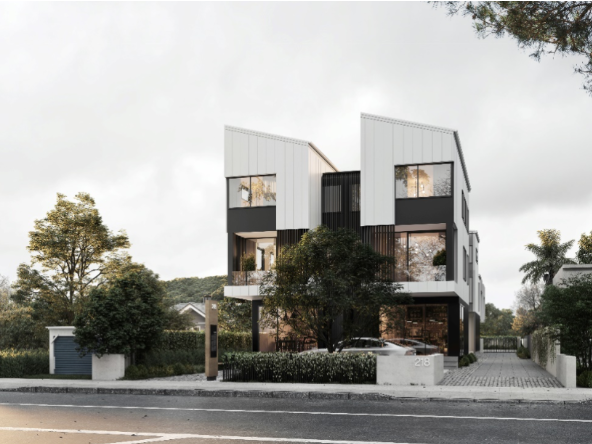
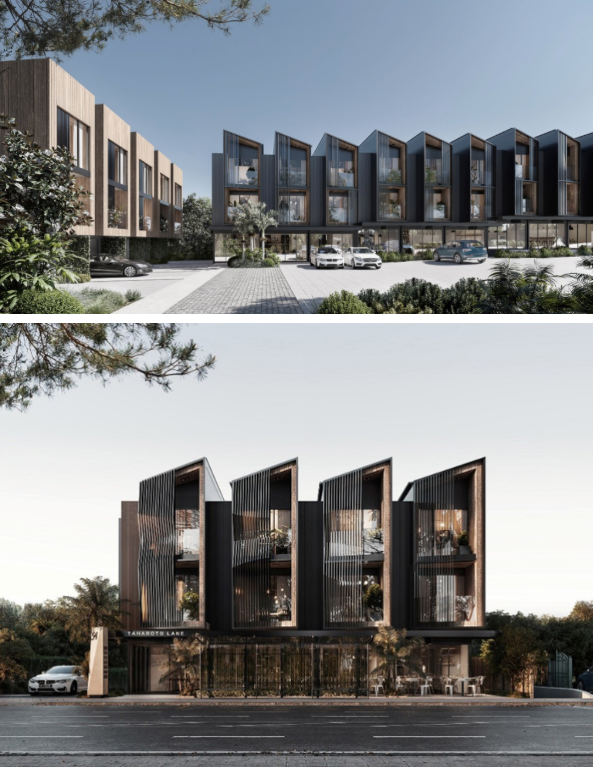
The 54 Taharoto Road and 218 Manukau Road projects, which use James Hardie products in part
Discussing projects he is particularly pleased with, Owen highlights the townhouse developments funded and developed by Eden Reits at 54 Taharoto Road, Takapuna and 218 Manukau Road, Epsom, noting that both make full use of the strengths of their building materials.
Owen says: “Both projects use James Hardie fibre cement boards, particularly the Epsom development.
“James Hardie fibre cement boards have excellent fire resistance, earning praise from some engineers. They are also low-maintenance, making them very well suited to townhouse and subdivision projects.
“Over our years of working together, James Hardie has also continued to improve its products, offering better quality and a wider range of sizes. Some of our requests, such as using wide and narrow boards together, have been met with solutions within a relatively short time.”
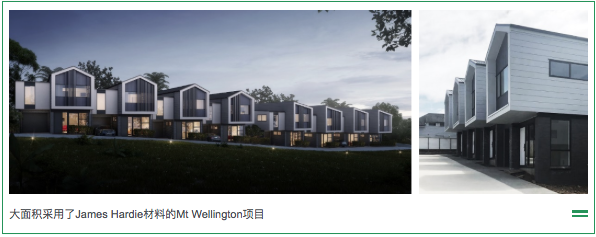
The Mt Wellington project, which makes extensive use of James Hardie materials
Advice for newcomers
Asked about the recent development boom, Owen offers a measured response: “People are buying because prices are rising, rather than when they fall. My advice to newcomers is not to pay for costly lessons at this stage, unless you’re buying with cash and plan to hold long term. That approach won’t lose money over the long run. But if you blindly follow the crowd into subdivision now without understanding it, you may find that after encountering all the pitfalls, there is very little profit left. You might be doing well just to break even.”
“A few years ago, we made many seemingly impossible subdivision projects happen. Take the Mt Wellington project mentioned earlier. It is in the Mixed Housing Suburban Zone, where site coverage should theoretically be limited to 40%%, but we pushed it up by almost 10%%. That success cannot be replicated today. Over the years, the council has developed its own standards. When the Unitary Plan first appeared, everyone wanted to release more housing and land; that underlying aim has changed, and policy is gradually tightening. Today, if clients can secure land at a suitable price, they should complete the subdivision first, then choose an appropriate time to develop or sell.”
We hope this article has offered useful insights, deepened your understanding of the importance of architectural design and given prospective subdividers something to consider. If you are looking for a designer for your project, visit X Studio’s website: https://xstudio.co.nz/. If you are considering which building materials to use, contact James Hardie, a global leader in fibre cement.