Do you understand the latest moves in New Zealand’s housing market? Policy changes for 2021 at a glance
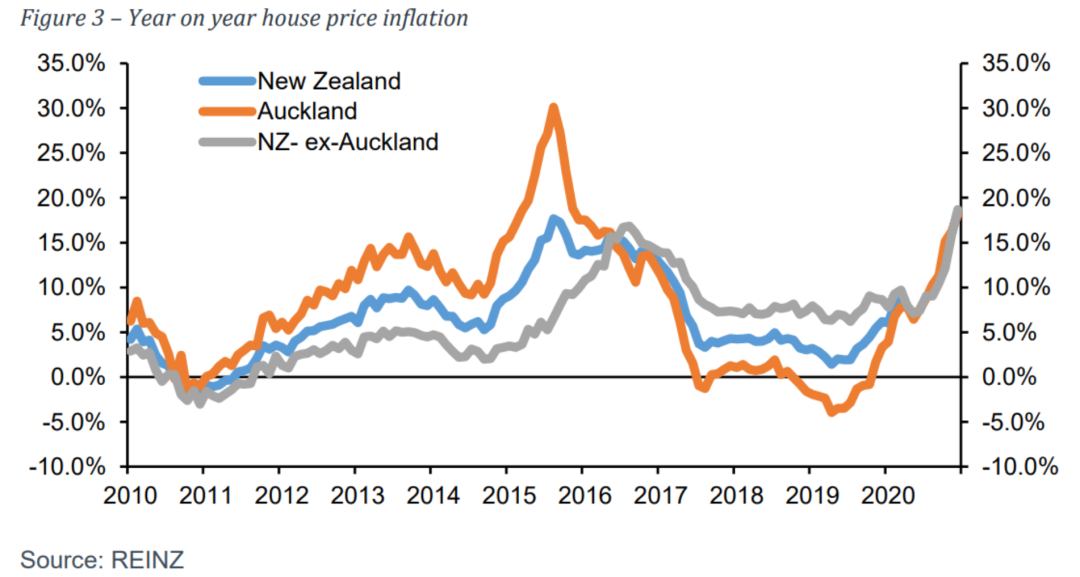
New Zealand house prices rose 19% nationwide last year, with the median price setting records for several consecutive months. Low mortgage interest rates and the removal of loan-to-value ratio (LVR) restrictions last April were both directly linked to the rise.

On 24 November last year, New Zealand’s Finance Minister wrote to the Reserve Bank of New Zealand, proposing that they work together to address rising house prices. The Reserve Bank believes supply is the main determinant of New Zealand house prices, and that curbing demand offers only a temporary way to restrain them. Although low interest rates have pushed prices higher, they have also increased employment and household incomes and reduced borrowing costs, improving access to housing.
{ad}
How will New Zealand’s regulators balance controlling house prices with healthy economic development?
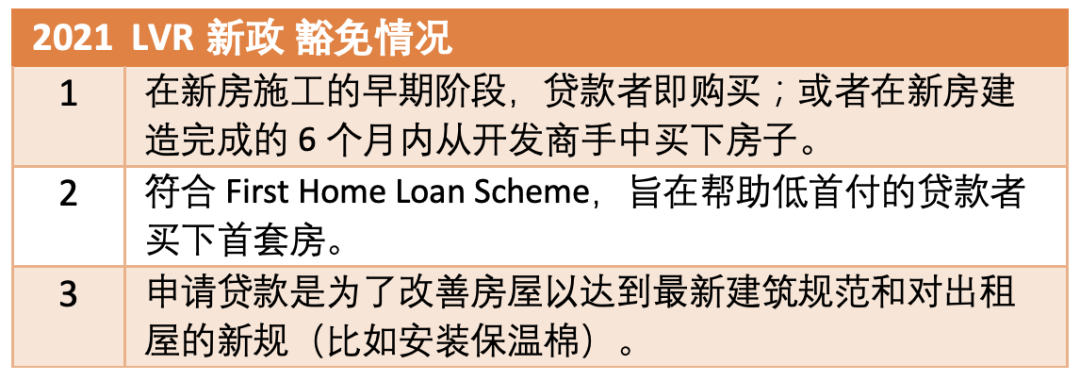
One: Ending the absence of LVR restrictions: tightening lending policy in the name of financial stability
Latest development: The Reserve Bank of New Zealand said in a statement that LVR restrictions would return to pre-pandemic levels from 1 March, with tighter restrictions on investors taking effect from 1 May.
The pandemic has left the economic outlook uncertain. Several consecutive months of growth in high-risk, high-LVR lending have unsettled the Reserve Bank of New Zealand. Monthly mortgage lending has been growing far faster than it did from 2017 to early 2020. In November 2020, for example, new mortgage lending reached NZ$9,300,000,000, up 37% on the previous year and 27% above the previous housing market peak in May 2016. A substantial share was high-risk lending, particularly loans sought by property investors.
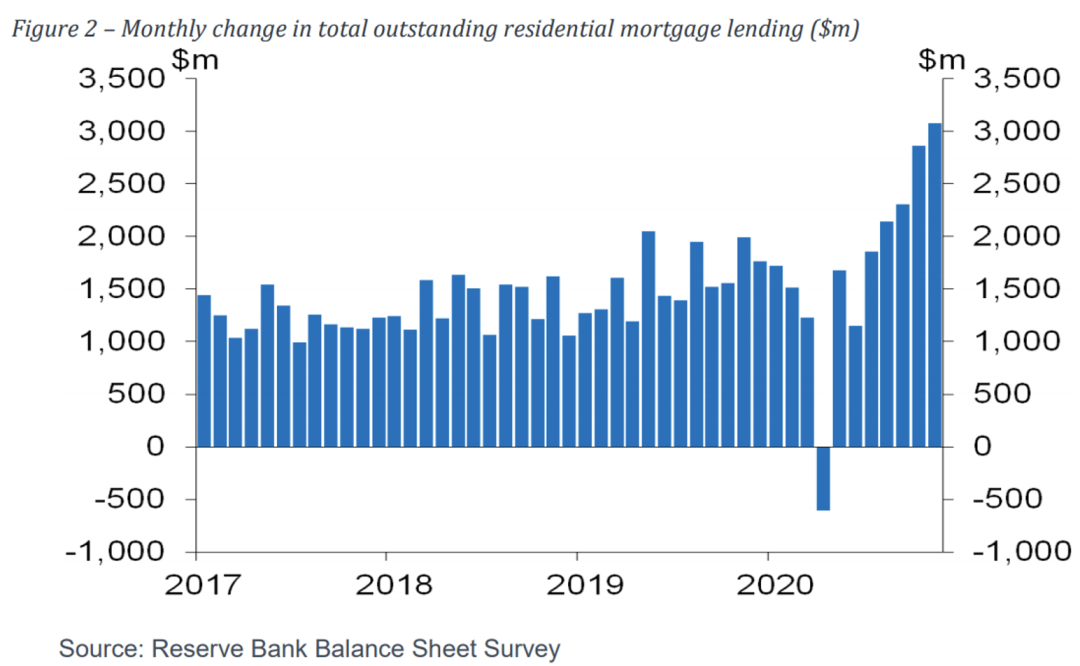
The more high-risk loans banks approve, the greater the losses the banking system faces when the housing market corrects. The Reserve Bank specifically noted that buyers entering late in this upswing were more likely to sell up or become unable to meet repayments.
After a public consultation lasting more than 1 month, the Reserve Bank of New Zealand announced new policy on 9 February early in the year. It would both restore and strengthen LVR restrictions to safeguard financial system stability and prevent the housing market from spiralling out of control.
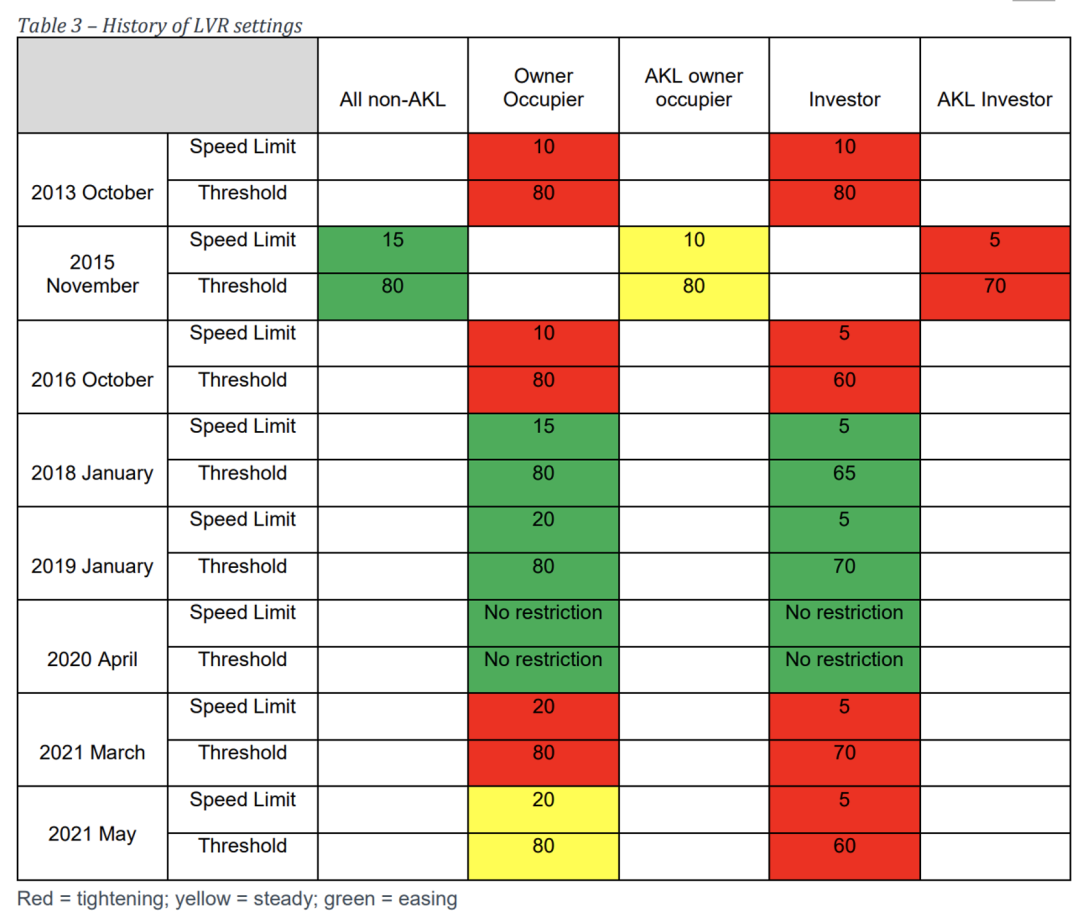
Property investors are the most affected by this adjustment, with their main concern being higher deposit requirements and greater financial pressure. From May, most investors will need a deposit of at least forty per cent. After 5 years, the Reserve Bank’s squeeze on investors will return to the degree of tightening seen in October 2016.
Based on its analysis of historical data, the Reserve Bank estimates that, compared with the period before month 3 of the year, during the “LVR hiatus”, house prices could fall by 1% to 4%。
Two: OCR: zero or negative interest rates could become an option Lower borrowing costs?
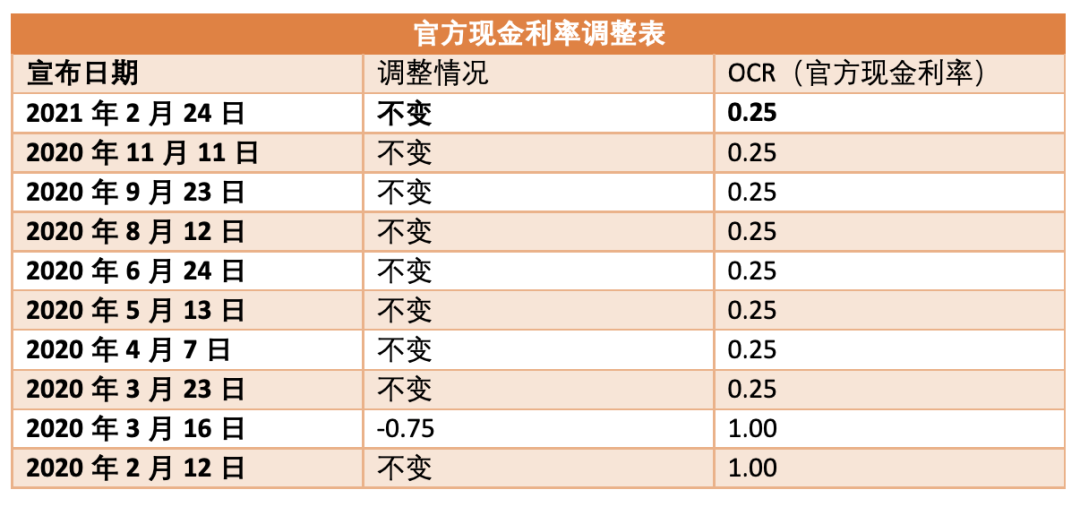
Latest development: New Zealand’s Official Cash Rate remains at 0.25%。
Since 1999, the Official Cash Rate (OCR) has been the Reserve Bank of New Zealand’s main monetary policy tool. It influences short-term market interest rates, affecting the rates New Zealand households and businesses pay on loans and receive on savings.
Alongside LVR restrictions, interest rates therefore directly affect house prices and housing affordability. They influence asset values, including house prices, and people’s decisions about whether to buy or rent. Changes in house prices, in particular, affect household spending decisions, which in turn influence economic growth, inflation and employment.
Although economic data shows that New Zealand’s economy has recovered from the pandemic lockdown, the Reserve Bank believes the recovery has not been equally strong across all regions.
On 24 February 2021, the Reserve Bank of New Zealand said it was in no hurry to tighten monetary policy and left the Official Cash Rate unchanged at 0.25%. By the end of March, the historically low rate of 0.25% will have been in place for 1 year. The Reserve Bank made a commitment as early as last March, seeking to signal to New Zealand households and businesses that borrowing costs would not rise in the short term.
An ASB report forecasts that the Official Cash Rate will not rise until 2022 at the earliest. The report therefore notes that borrowers can currently lock in relatively low long-term fixed mortgage rates of around 3%. Fixed mortgage rates are currently at historic lows, with 1- or 2-year rates at 2.3%–2.6%.
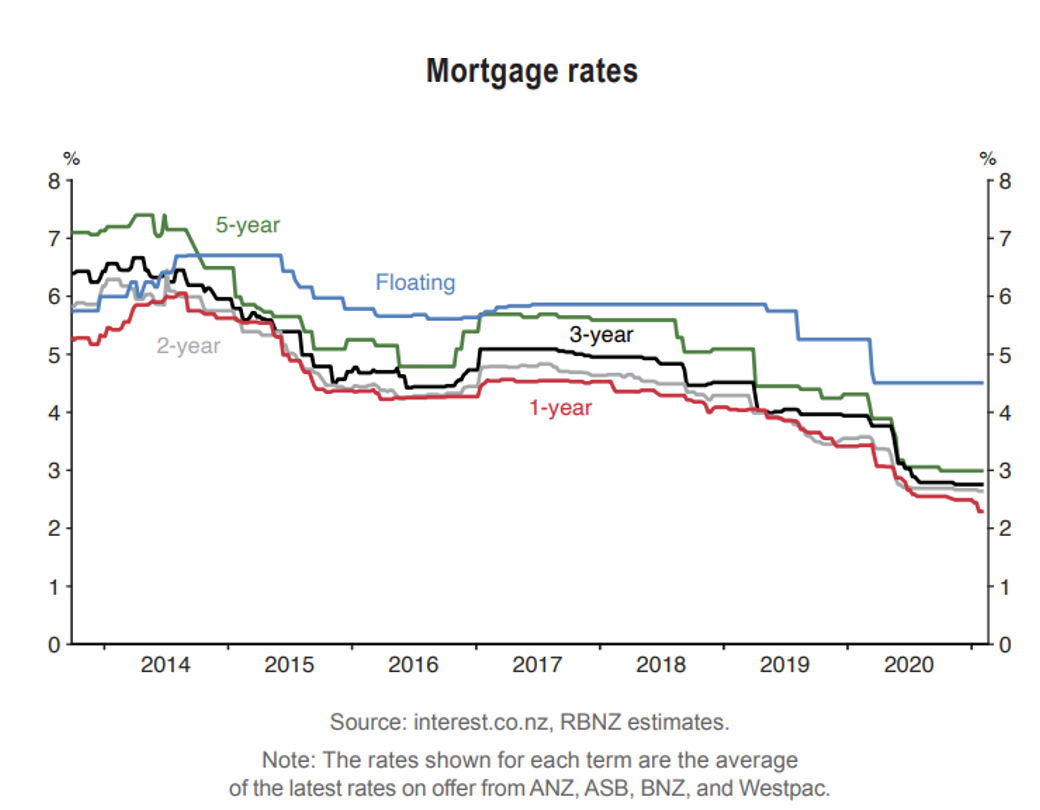
Although large-scale vaccination programmes have begun worldwide over the past 3 months, the Reserve Bank of New Zealand remains cautious. With policy focused on lowering borrowing costs to stimulate the economy, the Reserve Bank’s February Monetary Policy Statement noted that the banking system was ready for zero or negative interest rates as a policy option to stimulate economic activity at a critical time.
Three: The first formal warning under the AML/CFT Act Tougher regulatory policy?
Latest development: A real estate agency has received a warning from Internal Affairs for failing to comply with the AML/CFT Act.
On 1 March, New Zealand’s Department of Internal Affairs issued its first public warning to a real estate agency under the Anti-Money Laundering and Countering Financing of Terrorism Act (the AML/CFT Act). The agency lacked adequate policies, procedures and controls to monitor compliance and had failed to conduct its business as required by anti-money laundering legislation and regulations. Internal Affairs said the agency had failed to meet the Act’s requirements in establishing, implementing and maintaining anti-money laundering systems, and in hiring and training compliance staff.
Real estate agents have been subject to anti-money laundering legislation and regulations since 1 January 2019.
New Zealand’s Department of Internal Affairs said property was a high-value asset frequently exploited by money launderers, both in New Zealand and overseas. Businesses have a responsibility to establish anti-money laundering processes to prevent property transactions from being used illegally.
Although the agency was not involved in laundering money through property sales, the warning still caused a stir in the industry. Together with the reinstatement of LVR restrictions, some industry figures interpreted it as government action to cool an overheated housing market.
For most law-abiding people, the AML/CFT Act mainly affects home buying by adding procedures and documentation. The growing emphasis on anti-money laundering legislation in recent years reflects an international trend. To avoid being seen as soft on money laundering, New Zealand’s regulators are seeking to establish a tough international reputation.
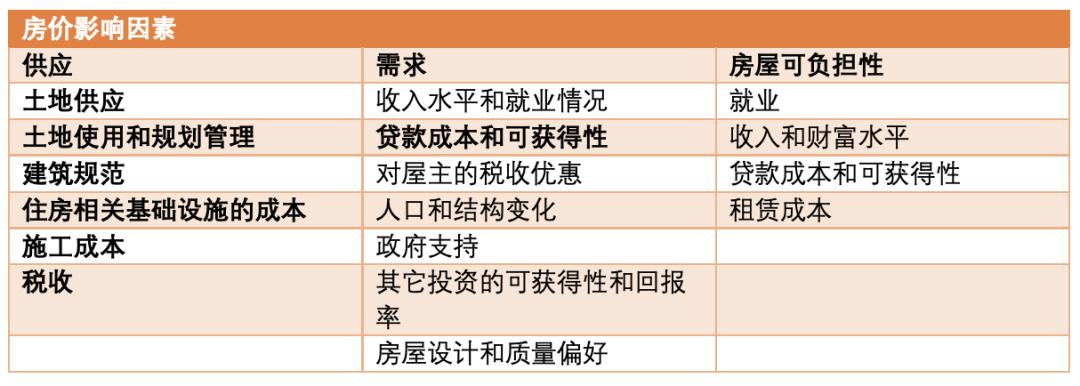
House price trends and fluctuations are primarily influenced by two broad categories of factors: supply and demand, as shown in the table below.