Smart homes set to be the next big thing after the pandemic, with touchless products in hot demand!
Since 2020, an unexpected pandemic has disrupted people's lives while quietly changing their spending habits and creating new opportunities for smart home products. On the one hand, extended periods at home during the pandemic have encouraged people to upgrade their home products again. On the other, having experienced the pandemic, people will place greater value on safe, healthy lifestyles, making smart homes increasingly attractive to consumers.
The enormous smart home market has attracted numerous industry giants, creating fierce competition. So who are the winners in the smart home race?
{ad}
Global bathroomware company Kohler launches a range of touchless taps, establishing itself as a smart home industry leader
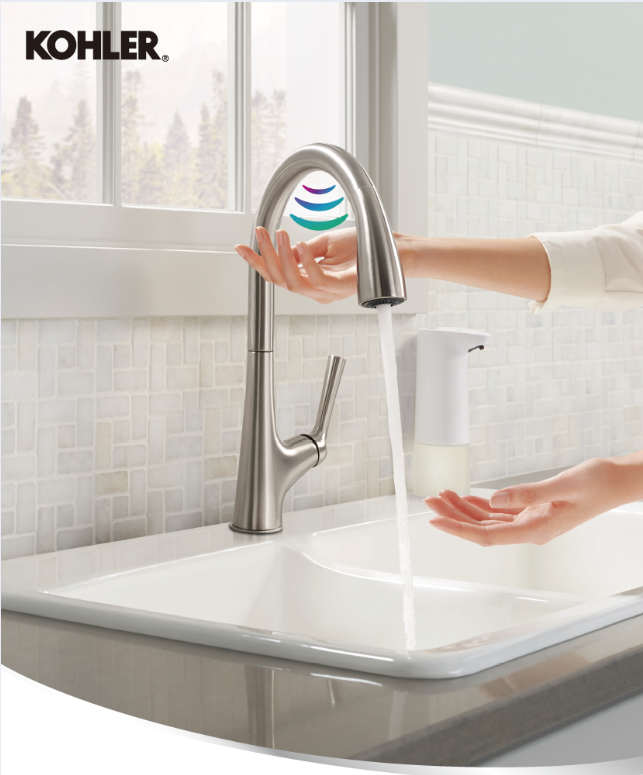
With millions of people worldwide spending more time at home, people are seeking ways to find balance and escape everyday stress and anxiety. At the company's 2021 product launch, Kohler President and Chief Executive David Kohler said: “Kohler continues to advance its leadership in smart home innovation. Our products allow consumers to enjoy touchless and connected experiences easily, without adding clutter or complexity to their spaces. We believe home technology requires a delicate balance. We will continue to break new ground in seamless bathroom and kitchen controls, bringing safer, more convenient ways of living to modern households.”
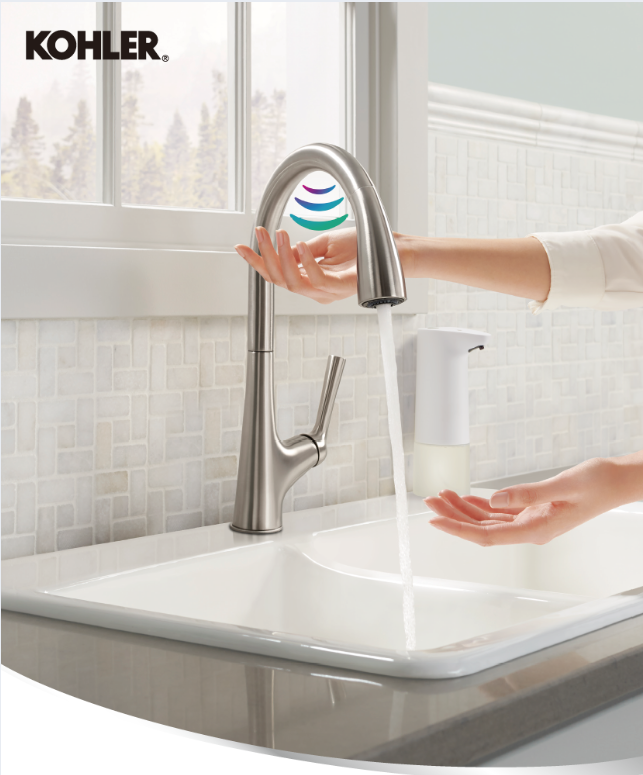
If you want to add a touch of technology and comfort to your kitchen and bathroom, the company's 4 upcoming smart bathroom and kitchen products could cover all your needs. We understand that the four new products focus on touchless experiences across kitchens, bathrooms and handwashing areas.
Kohler's new product strategy presentation is coming to Auckland, and registrations are now open!
We understand that Kohler's 4 new smart bathroom and kitchen products will be introduced at an Auckland presentation on 27 April. The event is jointly presented by the New Zealand Chinese Building Industry Association, Kohler and Ruinuo Bathroomware. Kohler's senior manager for New Zealand and Oceania, Dee Hunter, will demonstrate and explain a range of Kohler's 2021 products in person.
Registrations are now open. Everyone is welcome to attend and experience the world-leading home technology Kohler has to offer. You can also sign up through our registration portal to receive a complimentary event gift specially prepared by Kohler.
Smart home market enters the trillion club, with greater demand expected for five types of solution
A new report from US market research company Omdia says: “The pandemic affects every aspect of people's lives and will have lasting effects on how they live, work, learn, socialise and stay in touch with loved ones. The home will become one of the most important centres of lifestyle change in the post-pandemic era.”
The report indicates that the following five types of smart home solution will see greater demand in the new environment:
1. Assisted living technologies, primarily addressing people's need for smarter home living;
2. Products that use voice control to help users avoid touching objects;
3. Solutions that help people maintain their distance from others;
4. Devices that could help limit the current pandemic and the spread of future viruses through preventive measures;
5. Advanced technologies that support integrated functionality and serve multiple applications across different fields.
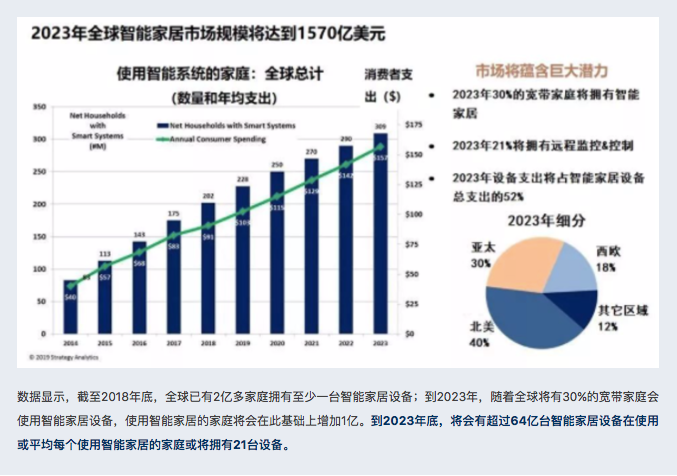
A forecast released by Strategy Analytics shows that consumers spent US$103,000,000,000 on smart home hardware, services and installation in 2019. This is expected to rise to US$157,000,000,000 by 2023, putting the market's value at RMB 11,000 at current exchange rates.
Behind this astonishing figure is the rise of the smart home industry in the post-pandemic era. Changes in the home products market and smart experiences are now spreading increasingly quickly into every aspect of people's lives.
Leading research firm: within the next 5 years, smart home device sales could overtake smartphones
Strategy Analytics said in an article that demand for smart home devices would exceed demand for smartphones within the next five years. This is primarily due to falling prices, improvements in user experience, rapid technological development and the growing importance people place on safe, healthy living.
The market research company said that consumers worldwide bought more than 663,000,000 smart home devices in 2017, generating US$84,000,000,000 in sales. This was an increase of 16% from US$72,000,000,000 in 2016. Sales revenue is expected to rise to US$155,000,000,000 in 2023, with 1,940,000,000 smart home devices sold. North America will account for 41% of total spending (US$40,000,000,000), followed by Asia-Pacific at US$26,000,000,000 and Western Europe at US$17,000,000,000.
The data shows that by the end of 2018, more than 200,000,000 households worldwide owned at least one smart home device. By 2023, with 30% of broadband households worldwide using smart home devices, the number of smart home households will increase by 100,000,000. By the end of 2023, more than 6,400,000,000 smart home devices will be in use, potentially averaging 21 devices per smart home household.
Jack Narcotta, senior industry analyst with Strategy Analytics' Smart Home Strategies research service, said: “From 2018 to 2023, smart home device unit sales will grow by more than 20% annually. Consumer adoption continues to increase as awareness of the capabilities and benefits of smart home solutions grows. In terms of price, smart home products and services are becoming more affordable for a wider range of consumers.”
The rise of smart homes reflects changing tastes in modern living and meets the needs of the post-pandemic era. Their distinctive, advanced smart design principles and promotion of safe, healthy lifestyles are gradually becoming a model for home living. The enormous global sales of smart home products are also revealing their growing disruption of traditional home products. The pandemic has changed both our lifestyles and our understanding of how we live.