A “new tax” arrives! The era of snapping up bargains for quick profits is ending! Renovation offers a new way to increase property values!
Of the housing measures announced by the government last week, removing interest deductibility will have the greatest impact on investors. Taking effect from 27 March, the policy will increase the tax burden on long-term investors holding older homes. An Auckland chartered accountant calculated: “An older Auckland home currently earns around NZ$30,000 a year in rent. At a tax rate of 33%, the owner would have to pay roughly NZ$4950 more in tax each year.”

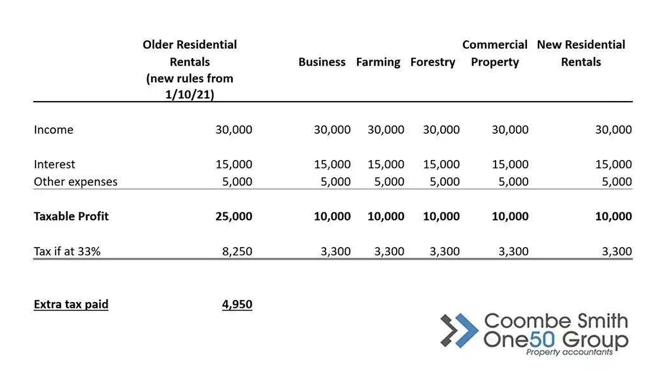
Under the new measures, the era of snapping up bargains for quick profits is coming to an end, prompting many investors to hold their properties for longer. Whether raising the rent or selling, how can they maximise the value of the homes they currently own? Renovating older homes is set to become another hot topic under the new policies.
Figures show that Auckland house prices rose by NZ$701 a day in January this year. This has left many people confused about increases in their property’s value: it is difficult to know whether the gains came from specific improvements to an older home or simply from strong demand and rising values during a property boom.
Professional renovation companies therefore recommend estimating both renovation costs and the value they will add before starting, then choosing the best balance between cost and value. This depends on your neighbourhood, your property’s condition and how your home fits its surroundings. Here are some successful renovation examples and what the experts have to say about them.
1. Garages — in Ponsonby, adding a double garage can increase a home’s value by 200,000 New Zealand dollars
If you live somewhere such as Ponsonby, where parking is very tight and on-street parking is the norm, a double garage could add around NZ$200,000 to your property’s value.
Gordon Edgington of Prendos Valuers said: “If you live in an area such as Ponsonby, where parking is difficult, adding a garage in your home’s basement will certainly increase its value.”
2. Extra rooms — adding a bedroom or living room can put a property into an entirely new search category
“The value added by an extension depends on whether you are adding floor area or changing the external structure,” said Gordon Edgington. “Once you start adding bedrooms, the costs can be prohibitive in terms of the value gained. You might spend NZ$3000 per square metre or more on an extra room or extension, but it might add only NZ$1500 to NZ$2000 per square metre in value.
“The best approach is to work within the existing footprint and alter internal walls without adding load-bearing walls.”
Christchurch construction cost consultancy director Andy Thompson said adding a family room or master bedroom suite usually has the greatest impact on a home’s value.
“We recently valued a house in Mt Eden where an owner had spent around NZ$100,000 creating an extra bedroom, increasing the property’s overall value by NZ$200,000.”
Gavin Roberts of Auckland’s Prestige Realty International said: “Adding a bedroom or living room puts a property into an entirely new search category on the market, increasing its value.”
3. Bedrooms and en suites — adding a bedroom and en suite can add around 200,000 to a home’s value
Gavin Roberts said a Mission Bay homeowner had recently completed a major renovation. The owner spent NZ$120,000 adding a bedroom with an en suite to their three-bedroom, one-bathroom house, increasing its value by NZ$200,000 — almost double the investment. This shows how much an additional bedroom can change a home’s value.
4. Apartments — more usable space can make rental returns more attractive
Generally, creating more usable space in an apartment can add substantial value. For example, creating a small granny room within an apartment can broaden its appeal to buyers while increasing its value. For investors, rental returns will also clearly improve.
{ad}
5. Decks and patios — improvements can increase a home’s value by around 30% overall
Gavin Roberts said New Zealanders love being active in summer, and improving indoor–outdoor areas, decks and patios can add considerable value. Hardwood for a deck or patio costs around NZ$5000 to NZ$15000, but renovating these areas can increase the whole home’s value by around 30%, making this one of the most cost-effective renovations available.
6. Landscaping — doing it yourself is more economical than hiring professionals
Roberts said: “Good landscaping can add enormous value to a home. However, doing it yourself is recommended to save money. Hiring a professional company to landscape your property can be very expensive, and you may not recover the cost.”
7. Swimming pools — the value added depends on the neighbourhood
“If your home is in an expensive area, installing a swimming pool could add NZ$200,000 to its value, or even more! In a lower-value area, however, it might add only NZ$50,000.”
“It is a lifestyle choice. Many buyers are unwilling to pay more for a home when they will face maintenance costs,” Roberts said.
8. Heating — installing heating makes a home more appealing to buyers and tenants
New Zealand’s relatively damp winters and frequent rain make heating essential in a home. A property with a fireplace or heating installed may attract greater interest from buyers or tenants, and adding heating can also increase its value.
With all these successful renovation examples, how do we identify the right approach for our own homes? Which option suits us best?
To meet homeowners’ demand for renovations, the New Zealand Chinese Building Industry Association and YIJU are jointly organising a major “Home Renovation Knowledge Seminar Series”. With the theme “Renovating older homes — how to increase property value”, the event comprises two free educational seminars and an expo.
The first seminar will take place on 8 April, covering:
- The steps and principles of renovating older homes
- How can you spend wisely and maximise property value at the lowest cost?
- How do you set a renovation budget?
- Which building projects require approval, and which do not?
- How do you choose the most suitable building materials for an older home’s particular condition?
- How can you obtain finance for an older-home renovation project?
- What legal issues are involved in renovating an older home?
The event has already attracted strong interest both within and beyond the industry. Registration is now open, and everyone is welcome to sign up! Click the mini programme below to register for free!