
Small improvements, big results: attracting good tenants and higher rents is what counts!
Tenants who are willing to pay market rent or more, always pay on time without falling into arrears, and take good care of the property… Finding tenants like these is every landlord’s ultimate dream. Yet most landlords do not realise that good tenants are attracted by quality rental properties, rather than encountered through sheer good luck.

Tenants who are willing to pay market rent or more, always pay on time without falling into arrears, and take good care of the property… Finding tenants like these is every landlord’s ultimate dream. Yet most landlords do not realise that good tenants are attracted by quality rental properties, rather than encountered through sheer good luck.
For tenants, a ‘quality rental property’ means more than fixed factors such as location, layout and price. It also involves many more flexible considerations: is the home clean and tidy, well equipped, and even welcoming and homely? The fixed factors may be difficult to change, but landlords can directly control the flexible ones. Even a home that has been neglected for years can achieve impressive results through well-planned improvements.
{ad}
Let your target tenants guide the renovation
When it comes to renovating a rental property, many landlords might say, ‘Just give it a basic spruce-up.’ Rental properties do have particular circumstances: you will not be living there yourself, and tenants may not stay for long, so weighing up your objectives and costs is necessary. However, inexpensive basic renovations do not suit every rental property. The aim is to create a better living environment, enhance the property’s value and attract prospective quality tenants. Many tenants imagine themselves living in a space when they view it. Creating the home your intended tenants expect, based on their likely profile, is the first step towards success.
Before renovating, landlords therefore need to consider factors such as prospective tenants’ needs and ability to pay, and set an appropriate standard for the work. The property’s location can help guide this decision. If it is relatively remote and the surrounding area is quiet, most prospective tenants are likely to be ordinary wage earners who care more about the rent than the property’s condition. Affordable materials offering good value may be suitable for basic improvements. If the property is in an affluent neighbourhood or a busy, sought-after area, it is worth putting more thought into the renovation. Local renters tend to have relatively high incomes and higher expectations of their housing and quality of life. If your rental has some standout features, it can still attract interest even at an above-average rent.
To keep spending under control, the best time to renovate is while the rental property is vacant.
Basic renovations Keep things simple
Basic work accounts for a large part of renovating a rental property. If the home is intended as a rental from the outset and only basic renovations are planned, aim for simplicity and keep costs to a minimum. For example, give the property a thorough clean and remove dated decorations or items such as curtains. Rooms do not need elaborate decorative features.
If further improvements are needed, consider repainting the walls. Some homes have dull yellow-brown walls that feel dated and oppressive; others have a different wall colour in every room, creating a bewildering effect. Every tenant has different tastes, so appealing to a broad audience will help you let the property quickly. Consider painting all rooms white with an easy-care interior wall paint, or choose another colour from a neutral colour scheme. This can feel less monotonous and more stylish, giving the interior a more modern look.
Wallpaper comes in widely varying textures, designs and colours, making later repairs and maintenance difficult. It is therefore not recommended for interior walls in rental properties.
Beyond the interior walls, if kitchen and bathroom cabinetry is in reasonably good condition, you can retain the existing cabinet frames, replace only the benchtops and refinish the doors with a baked-on paint finish. This saves money while creating a fresh new look.
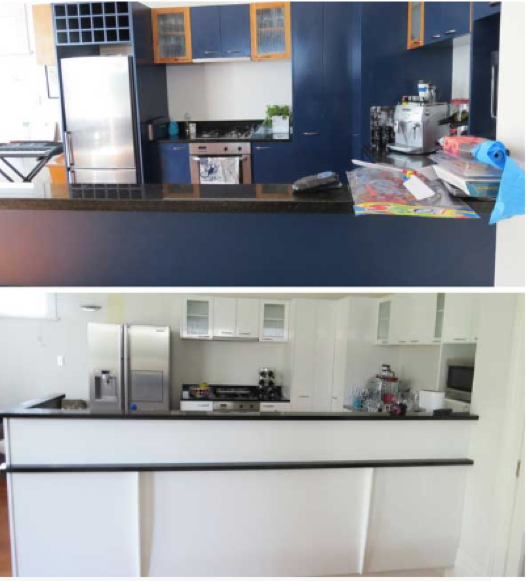
Updating fixtures and appliances No need for premium brands
If the kitchen and bathroom designs are too dated to meet modern needs, a complete replacement is recommended. When updating them, remember to improve their ventilation systems to meet the Healthy Homes Standards. This means installing ventilation that extracts air outdoors in both spaces.
Affordability and durability should be priorities in a rental property. When buying taps, appliances and other kitchen and bathroom fittings, there is no need to pursue premium brands. Instead, choose reliable, mid-priced products that look good and work well while keeping renovation costs down. Kitchen cabinetry prices vary considerably with materials and design. Keep rental-property cabinetry simple: complex designs and extra corners cost more without improving rental returns. When redesigning the kitchen, also consider including a dishwasher and waste disposal unit, as many tenants care about whether these appliances are provided.
With the introduction of the Healthy Homes Standards, all rental properties with tenancies signed or renewed after 1 July this year must comply within 90 days. One requirement is to install a compliant temperature-controlled heater with sufficient output in the living room. Before installing any fixed heater or heat pump, be sure to calculate the living room’s minimum required heating capacity.
Flooring is another major renovation item in rental properties. Common options include carpet, laminate flooring, tiles and solid timber floors in older homes. Many landlords struggle to decide whether to replace carpet with laminate or cover timber floors with carpet. Tiles or laminate are recommended for busy areas such as kitchens, bathrooms and entranceways because they are easy to maintain. In living rooms and bedrooms, the choice can come down to personal preference. Common carpet types in New Zealand homes include wool, polyester and solution-dyed nylon. Solution-dyed nylon is recommended for rentals because it resists fading and staining and is easy to care for.
Add thoughtfully planned storage for belongings space
Too many possessions, too little storage and clutter with nowhere to go are common frustrations. Many tenants may overlook storage during a viewing, only to notice the problem after living there for a while. They may eventually decide the rental is too small and consider moving to a larger home. Interestingly, this rarely happens in genuinely small homes; it is more common in rental properties with two or three bedrooms. In other words, the property is not actually too small: it simply lacks well-planned storage. Adding storage during renovation, even a small storeroom of 2–3 square metres, can help retain tenants.
Since 31 August 2020, additional types of work have been exempted from building consent under the Building Act, including sleepouts, sheds, carports, outdoor fireplaces and ground-mounted solar panels. These low-risk building projects do not require an application for building consent. Landlords can therefore consider adding some of these facilities during renovations, but must ensure their construction meets council requirements and the Building Code.
Unlawful alterations are not worth the cost
When renovating rental properties, many landlords consider adding internal partitions to create more bedrooms and increase rental income. Remember that landlords have a duty to provide tenants with a warm, dry and safe home, so unlawful alterations or additions must be avoided. Examples include converting a garage into a bedroom to rent out, or adding a kitchen or bathroom without consent. These unconsented changes can invalidate the property’s insurance and affect its ability to be rented. The current Residential Tenancies Act requires homes provided to tenants to be compliant, and the Tenancy Tribunal can fine or otherwise penalise landlords who rent out non-compliant homes, even if no tenancy agreement has been signed. Unlawful alterations or additions can ultimately leave you worse off on every front.