Exclusive analysis: A feng shui perspective on New Zealand’s property industry over the coming years
Architectural feng shui, one of the three pillars of ancient Chinese architectural theory, is its spiritual core and holds an esteemed place in China’s architectural history. As society has developed, feng shui practice in many parts of China has come to focus on comprehensive feng shui planning for large urban precincts and planning throughout the property development process.
Feng shui planning for property establishes control over a building’s feng shui layout from the outset, creating an auspicious setting for buyers that supports career success, prosperity, family harmony and good health, while also bringing developers substantial tangible and intangible returns. In recent years, New Zealand’s property industry has enjoyed favourable conditions and house prices have continued to rise, but many underlying problems and irregularities have also emerged. In this issue, YIJU New Zealand once again invites JOJO, a feng shui and Zi Wei Dou Shu expert and a well-known contemporary practitioner of Chinese destiny analysis and feng shui in New Zealand, to provide a professional interpretation of the property industry’s direction over the coming years from the perspective of architectural feng shui.
{ad}
Q1: New Zealand house prices have recently surged, with the average price now exceeding NZ$1,000,000. From a feng shui perspective, how much longer do you think this trend will continue?
JOJO: Many investors have asked me this recently. My prediction is that New Zealand’s property boom is only beginning. The major trend that truly belongs to New Zealand has yet to arrive.
Every country and city has its own distinctive cycle of fortune as it develops. As the saying goes, fortune favours one side of the river for thirty years, then the other for thirty years: circumstances are unpredictable and ever-changing. A region’s lifeblood and changing fortunes are naturally closely linked to its environmental feng shui. Nothing in the world happens out of nowhere; everything follows an unseen order.
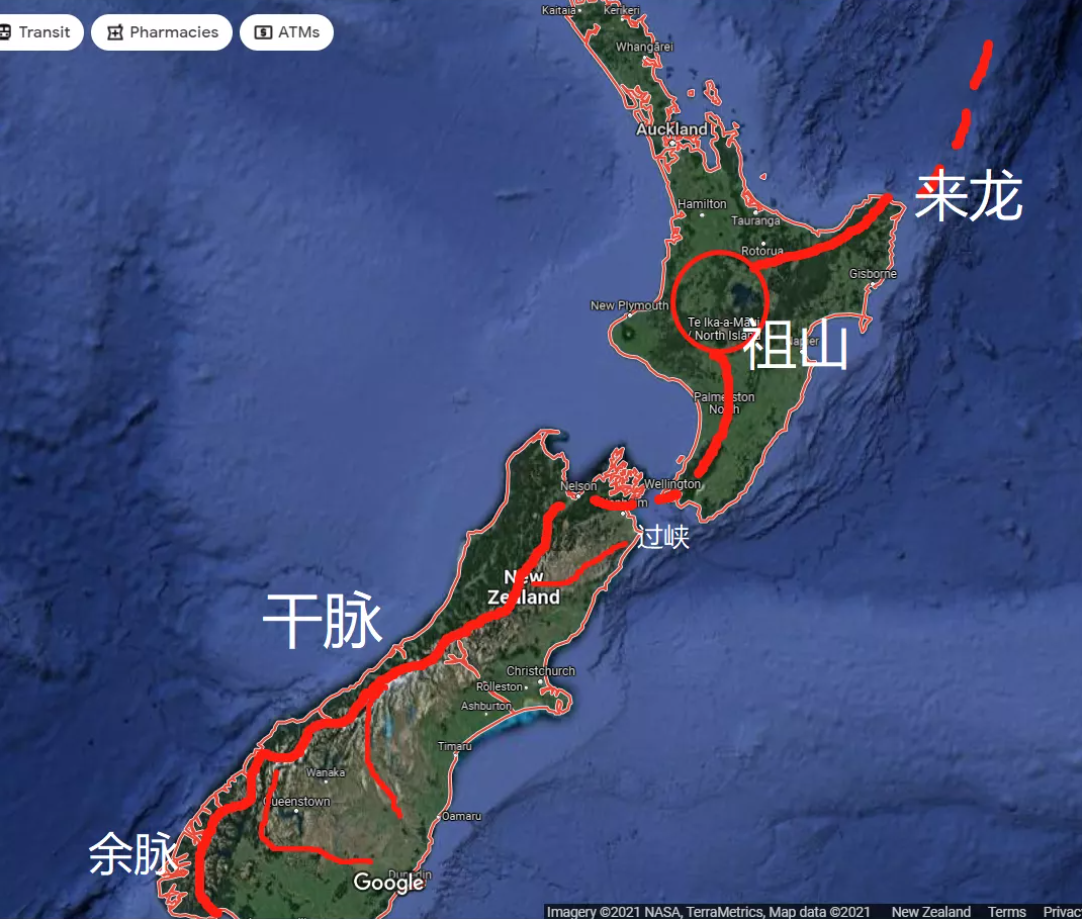
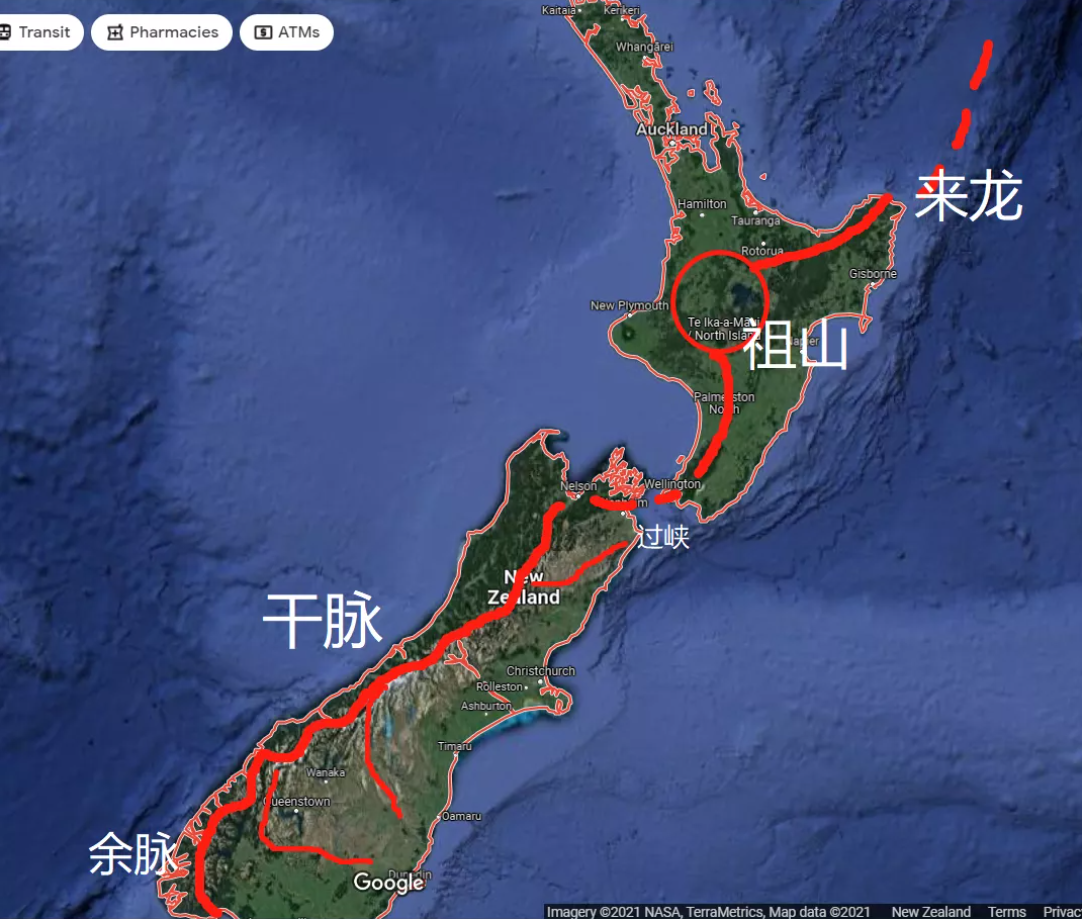
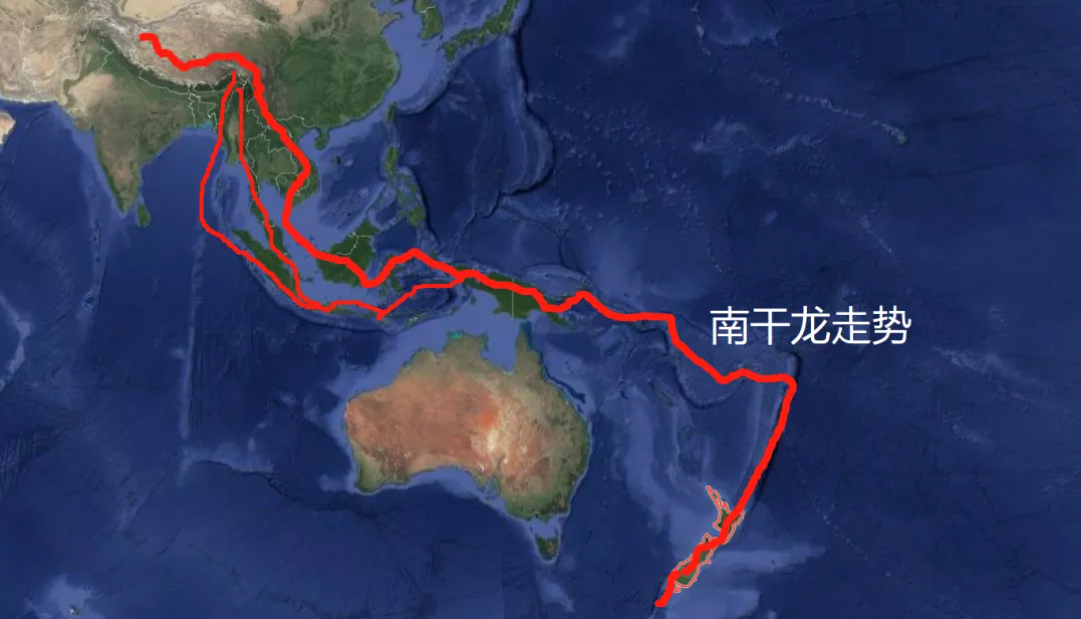
From a feng shui perspective, New Zealand is mountainous throughout, so the course of its mountain dragons has a considerable influence on its feng shui. New Zealand’s dragon veins originate in the Kunlun Mountains, from which nine major dragon veins branch out across the world. New Zealand’s mountain ranges belong to the Southern Trunk Dragon, also one of China’s three major trunk dragon veins. Beginning with the Xun Dragon, it winds through Thailand, Vietnam, the Philippine archipelago, Indonesia and Australia, before entering New Zealand from the north-east around Te Araroa and extending through the central North Island. Finally, near Wellington at the southern end of the North Island, it crosses the strait and continues south, forming the great mountain ranges along the South Island’s West Coast.
Feng shui is concerned with cycles of energy and fortune. Xuan Kong feng shui uses the theory of Three Cycles and Nine Periods to assess changes in these cycles. Fortune is linked to dragon veins: essentially, the question is whether a dragon vein’s energy is in harmony with the prevailing period. We are currently transitioning from Period Eight into Period Nine. Period Nine begins in 2024 and ends in 2043. It belongs to the energy of Nine Purple Li Fire, which is also the energy of the Southern Trunk Dragon’s vein. Therefore, after entering 2024, New Zealand will certainly experience substantial national economic development.
New Zealand’s property development is closely linked to talent, inflows of overseas capital and technological development. Industries favoured in Period Nine include education, technology, energy and healthcare, and New Zealand will see significant development and leadership in these areas. Moreover, the current property market is far from saturated, so its momentum will continue to increase. Particular attention must be paid, however, to international financial turbulence next year and changes in the international situation the following year. These will affect the stability of New Zealand’s economy and may also have some impact on the property market.
Property developers need to pay particular attention to managing their funds. Each year’s energy cycle means external factors can introduce uncertainty into property development. Overall, however, I am optimistic about future development.
Q2: Looking at individual cities, Auckland’s property prices reached another record last month, while prices in several other major cities are also rising. From a feng shui perspective, which areas in which cities should investors pay particular attention to?
How do feng shui magnetic fields and geographical formations affect an area’s development? Feng shui emphasises sheltering from wind and gathering qi, the fundamental criterion for judging whether a place is auspicious or inauspicious. Take Auckland, for example: its position as New Zealand’s largest city and a centre of commerce, culture, shipping and tourism is closely connected to its feng shui configuration.
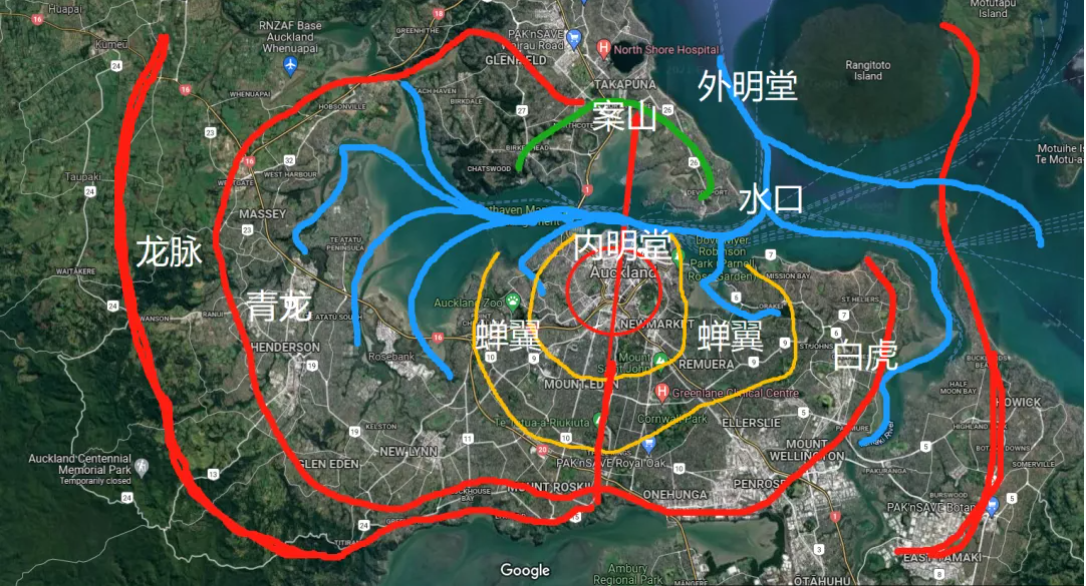
Auckland has distinctive terrain, with hills visible from the north-west through to the south-west. Taking central Auckland as the reference point, it is surrounded by sea on three sides, with winding waters embracing it. Incoming water from the north-west converges from several tributaries, forming an oval inner harbour around the Te Atatu Peninsula. It then passes through the water-constricting outlets at West Haven and Davenport, before being checked by the circular Rangitoto Island and flowing slowly out to sea.
Taking Auckland’s city centre as the reference point, the Azure Dragon and White Tiger positions are complete, with the Azure Dragon slightly higher and the White Tiger lying low. The bright hall is embraced by winding waters, with facing hills around Glenfield providing support in the distance and numerous hills behind, such as Maungakiekie/One Tree Hill, Maungawhau/Mt Eden, and Maungarei/Mt Wellington. With this configuration, Auckland is certain to reach greater heights in the future.
Within Auckland, areas whose environmental configurations shelter from wind and gather qi include Hobsonville, West Harbour, Te Atatu, the North Shore and Takapuna, parts of Remuera, and parts of Mt Wellington/Panmure. Of course, these assessments concern the wider external environment; each area contains smaller localities with different configurations. Feng shui requires simultaneous assessment at both large and small scales. Alongside an overall consideration of the Four Celestial Animals—the Azure Dragon, White Tiger, Vermilion Bird and Black Tortoise—we must also analyse the inflows and outflows of the city’s waterways. Feng shui is a precise analytical process that requires each situation to be assessed on its own specifics.
Other cities, including Wellington, Taupo, Rotorua and Nelson, have distinctive terrain and landforms, each with its own advantages for property development. New Zealand’s future property development will be concentrated mainly in the North Island, with relatively slower development in the South Island. Identifying advantageous property areas in the South Island requires examining the direction of waterways and finding places where water converges. Examples include Queenstown, embraced by Lake Wakaitipu; Lake Tekapo, fed by several tributaries, and Christchurch and Nelson, where the sea forms the water of a great bright hall, all places where water brings wealth and property investment is worth considering.
Q3: Have you had clients who bought land for development but encountered persistent problems and setbacks, leaving them worried about investment losses later? How would you resolve this?
New Zealand has complex terrain, with many hills and little flat land, so many houses must be built on hillsides. Urban road planning has also paid little particular attention to feng shui, making problems caused by road layouts relatively common, such as roads pointing directly at a property, reverse-bow road curves and cul-de-sacs. I have encountered quite a number of such cases.
Subdivision also frequently produces triangular sites, knife-shaped sites and uneven land. From a feng shui perspective, these sites are all inauspicious. If subsequent planning and design are inappropriate, they can easily make an unfavourable situation even worse.
A feng shui assessment involves more than observing mountains and water or determining the direction of energy channels. We must also pay attention to the ‘lifeblood’ beneath every inch of land. Visible external features such as buildings, roads and trees are tangible qi, while Xuan Kong Flying Stars, the Three Cycles and Eight Periods, the movement of stars, light and smells are intangible qi. Feng shui combines the tangible and intangible, but beyond these, we must also settle the life energy beneath every inch of land and the magnetic fields formed by beings beneath it. Unsettled land will have an impact regardless of how well the external feng shui is subsequently arranged. Feng shui practitioners therefore generally have their own distinctive methods of ‘settling the dragon’, calming the energy of the dragon veins and everything beneath the land. Setbacks that arise after taking over a site are often connected to a dragon that has not been properly settled.
Another aspect is how to design and plan for unusually shaped sites—for example, how to counter the ‘scissor sha’ facing triangular land. In a previous YIJU magazine article, I analysed the feng shui of Trump’s hotel on Fifth Avenue. That hotel stands on a triangular site, and its revival depended on its feng shui layout. Knife-shaped sites face the problem of a road pointing directly at them. The ‘handle’ of such a site can only be used as an access driveway, inevitably generating considerable harmful energy. In fact, however, we can avoid these problems through subsequent planning. Garden design can also mitigate some effects of external landforms.
Space limitations mean JOJO can offer only a brief introduction. YIJU reminds investors facing difficulties with property investment that they may wish to discuss their specific problems with JOJO. Replanning a property’s feng shui can establish control over the building’s feng shui layout at its source, turning danger into safety and bringing investors substantial tangible and intangible returns.
About the expert
JOJO Zhou
JOJO holds a bachelor’s degree in clinical psychology from New Zealand’s Victoria University and a master’s degree in clinical psychology from Massey University. Trained in the Southern schools of Zi Wei Dou Shu and Xuan Kong feng shui, JOJO is a life planner and environmental structure specialist whose research focuses on Zi Wei Dou Shu psychology, design feng shui and environmental energy.
JOJO has extensive experience in commercial property consultancy and feng shui services. The research team JOJO belongs to has provided feng shui consultancy for more than 50 major commercial property projects for organisations including MSN in the United States, American Express, Malaysia’s THE CARAT international jewellery group, Bank of China and China’s Trends Media Group. JOJO is an experienced commercial property feng shui analyst.