Want to build your own home in New Zealand but unsure where to start? See whether this family's experience can help
As the imbalance between supply and demand in New Zealand's property market has intensified in recent years, more homebuyers and investors have begun considering building their own homes. But building a home is no easy task, and there is plenty of homework to do beforehand. Today, we look at an important part of the process: planning your home's design.

As the imbalance between supply and demand in New Zealand's property market has intensified in recent years, more homebuyers and investors have begun considering building their own homes. But building a home is no easy task, and there is plenty of homework to do beforehand. Today, we look at an important part of the process: planning your home's design.
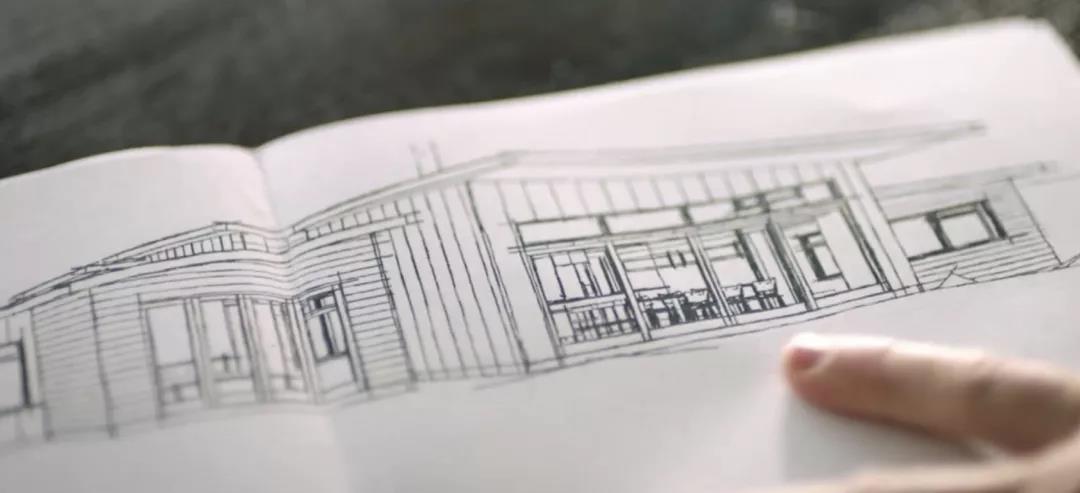
Start by gathering design inspiration
Before commissioning someone to plan and design your home, think about what your dream home might look like. You can find inspiration on design websites such as Pinterest or pick up product brochures from building supply stores. Put the ideas you collect into a collage on your phone or computer for designers and architects to refer to later.
Think in detail, from the roofing, exterior cladding and internal linings to joinery, paint, wallpaper, ceilings, appliances, carpets and taps. As you gather inspiration, remember to note prices too — this will help you plan your budget later.
Once you have some ideas, discuss them with a designer. An experienced designer can often understand the result you want after a conversation.

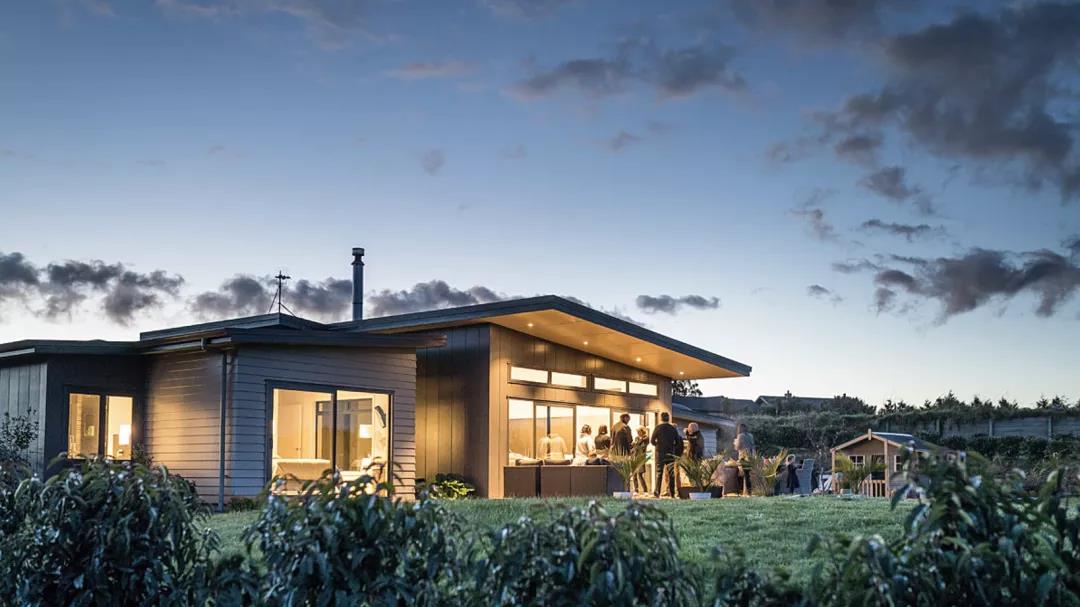
Take Phil and Leonie, for example. Ever since finding a section they loved in the Lake Taupō area, the couple had wanted to build their family home there. Once they decided to go ahead, they listed their favourite design elements and the requirements their ideal home would need to meet. Leonie liked classic weatherboards, while Phil preferred modern design. Both wanted a home that looked beautiful and suited the contours of their chosen section and its natural surroundings. Of course, it also needed space for the children to play and for family gatherings. Ideally, it would withstand the lakeside climate, stay warm in winter and cool in summer, and require little maintenance.
Choose the design and building approach that suits you
While gathering design inspiration, you can start considering which approach to designing and building a home best suits your needs and budget. The following three approaches are the most common:
Engage a group home builder
Group home builders usually offer packages covering some or all of the following:
- Land purchase
- Standard house plans, which can generally be modified to suit your requirements, although additional charges may apply
- Mortgage finance
- Project management and construction
Some companies can handle the entire building process, from building consent applications and compliance with local planning requirements to landscape design. The advantage is that you can establish a price before the project begins, unless you make further changes after agreeing on a fixed price.
Other companies specialise in selling house plans. The advantage of these stock plans is that they are often tried and tested, with completed show homes or projects you can look at. However, because they are not custom designs, you can only choose a reasonably close fit for your section's shape, size and contours.
Engaging these companies may cost less than hiring an architectural designer, but they may not be able to meet all your individual requirements.
Have a builder arrange the design
Some building companies offer a complete design-and-build service at a fixed price. They may draw up plans themselves or commission an architectural designer they work with. This option may suit you if you have a fairly clear idea of the design and dimensions you want. You can also look at their previous designs before deciding.
Commission a custom design from a registered architectural designer
You can also commission a registered architectural designer or draughtsperson to create custom plans. If you choose this approach, consider who will build the home and manage the project once the design is complete. Some designers also offer these subsequent services.
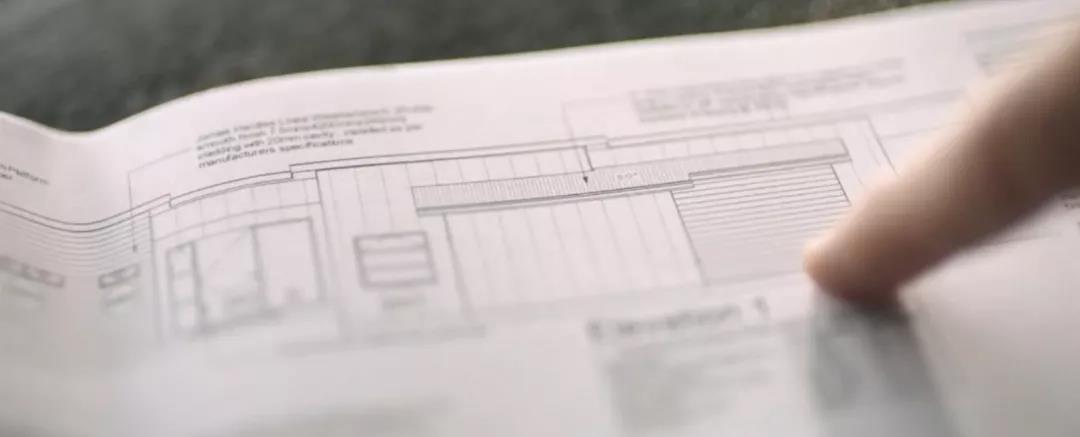
Phil and Leonie ultimately chose Design Builders, a builder offering a complete service. This may explain why they describe a process many people find daunting with such excitement and joy. The comprehensive service presumably saved them a great deal of worry.
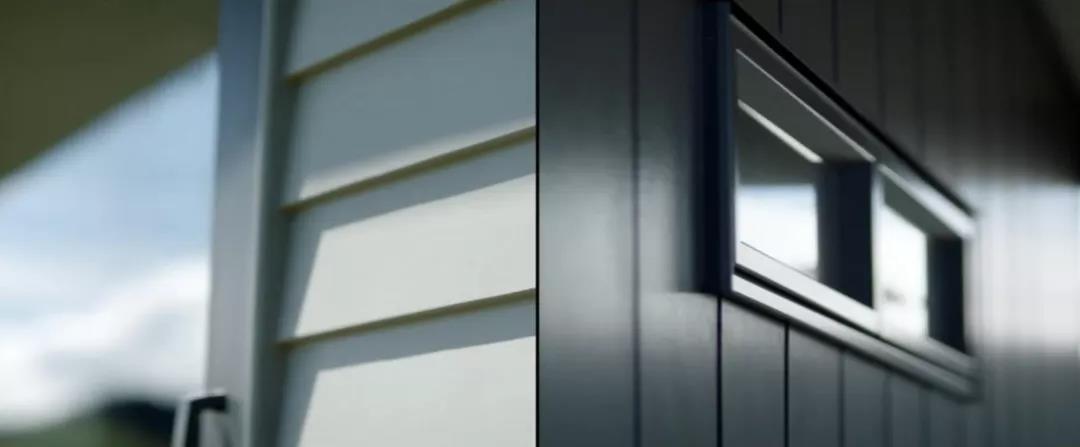
As expected, because Phil and Leonie had clear ideas and requirements, the designer's solution hit the mark. The proposal recommended James Hardie™ Linea™ weatherboards and Stria™ cladding for the exterior. The crisp, narrow lines of the light-coloured Linea™ weatherboards would complement the broader horizontal lines of the dark Stria™ cladding, creating a striking contrast that satisfied both their aesthetic preferences.
Seek an independent opinion
Before finalising the design, ask around and seek advice from friends who work in construction or have experience building their own homes.
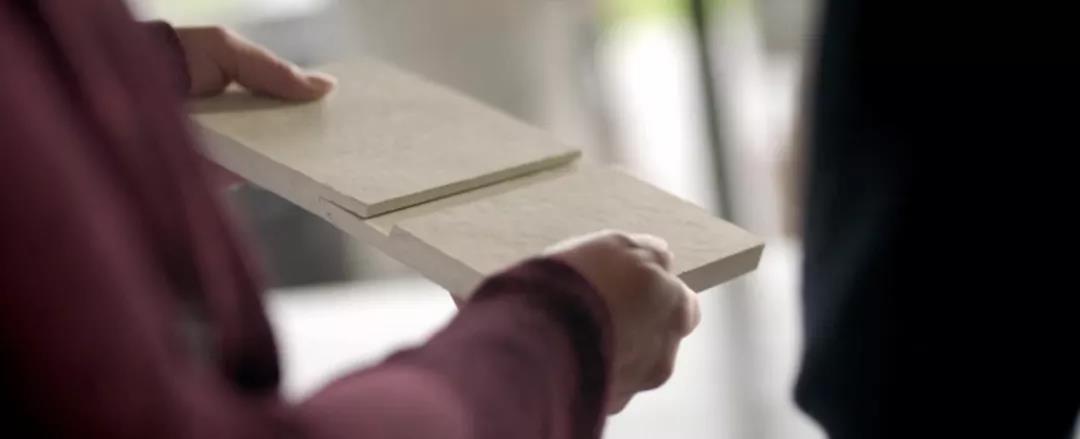
Before settling on their design, Phil and Leonie consulted a close friend who was a builder. Their friend endorsed both the design and their choice of materials. Assessing the products' installation and performance, the friend said James Hardie products were quick to install, durable and well suited to the lake area's cold winters and hot summers. James Hardie products also require little maintenance, meeting the couple's budget and saving on long-term upkeep.
Good home design really matters
Planning your home's design is central to creating your dream home. According to Consumer NZ, good design should do more than improve a home's appearance. It should also offer the following benefits:
- Make better use of the land
- Make better use of space inside the home
- Use suitable building materials, considering function as well as appearance
- Make the home more energy efficient and less costly to maintain, saving the owner money
- Make the home attractive to look at and comfortable and harmonious to live in
- Make the home a sound investment, with solid construction that stands up to the weather
- Make the home easier to sell
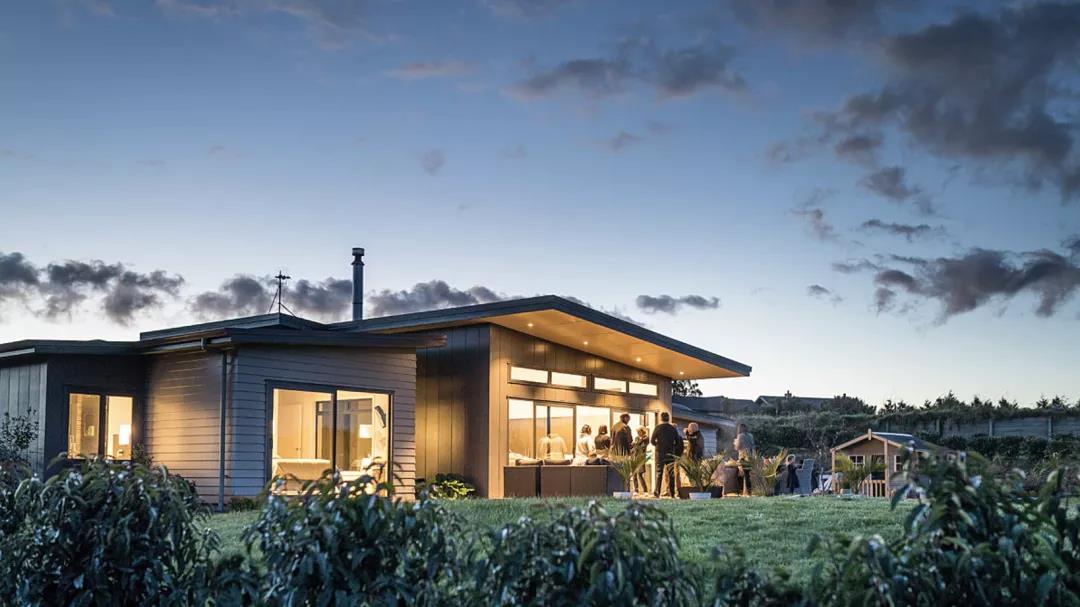
Judged against these points, Phil and Leonie's dream home ticks every box. The family have now lived there through several years of changing seasons and remain very happy with its design and performance. Speaking specifically about the James Hardie™ exterior cladding, they say:
James Hardie's exterior cladding needs very little maintenance. We don't have to repaint it often — a rinse with water keeps it looking like new. We really love it.
Are you looking for design inspiration for a new home? Would you also like to create a high-quality dream home that needs little maintenance? Scan the codes to explore James Hardie New Zealand's Pinterest or its Chinese-language Design Inspiration Guide and spark your imagination!

Note: Parts of this article were translated from the Consumer NZ website. Click “Read the original” for more steps and advice on planning the design of a home you are building.
JamesHardieNewZealand
James Hardie New Zealand is committed to providing New Zealand customers with high-quality fibre cement building materials. With outstanding durability, fire resistance and low maintenance requirements, our products are popular with building professionals and homeowners. Our flagship Linea weatherboards were developed in New Zealand and have enjoyed a strong reputation for 20 years. They are now available internationally.
WeChat official account