The surprising future growth leader in Australia and New Zealand’s heating and air-conditioning market!
According to the latest report from leading research organisation MakersandMarkets, the global market for variable refrigerant flow (VRF) multi-split air-conditioning systems is expected to reach US$24,090,000,000 by 2022, with a compound annual growth rate (CAGR) of 11.4% between 2016 and 2022.

The main factors driving strong growth in the VRF market are the lower environmental impact of low-GWP refrigerants and growing demand for highly energy-efficient equipment. This also reflects policies and management measures being introduced around the world to reduce energy use and pollution, alongside widespread market demand for lower-energy, more efficient buildings.
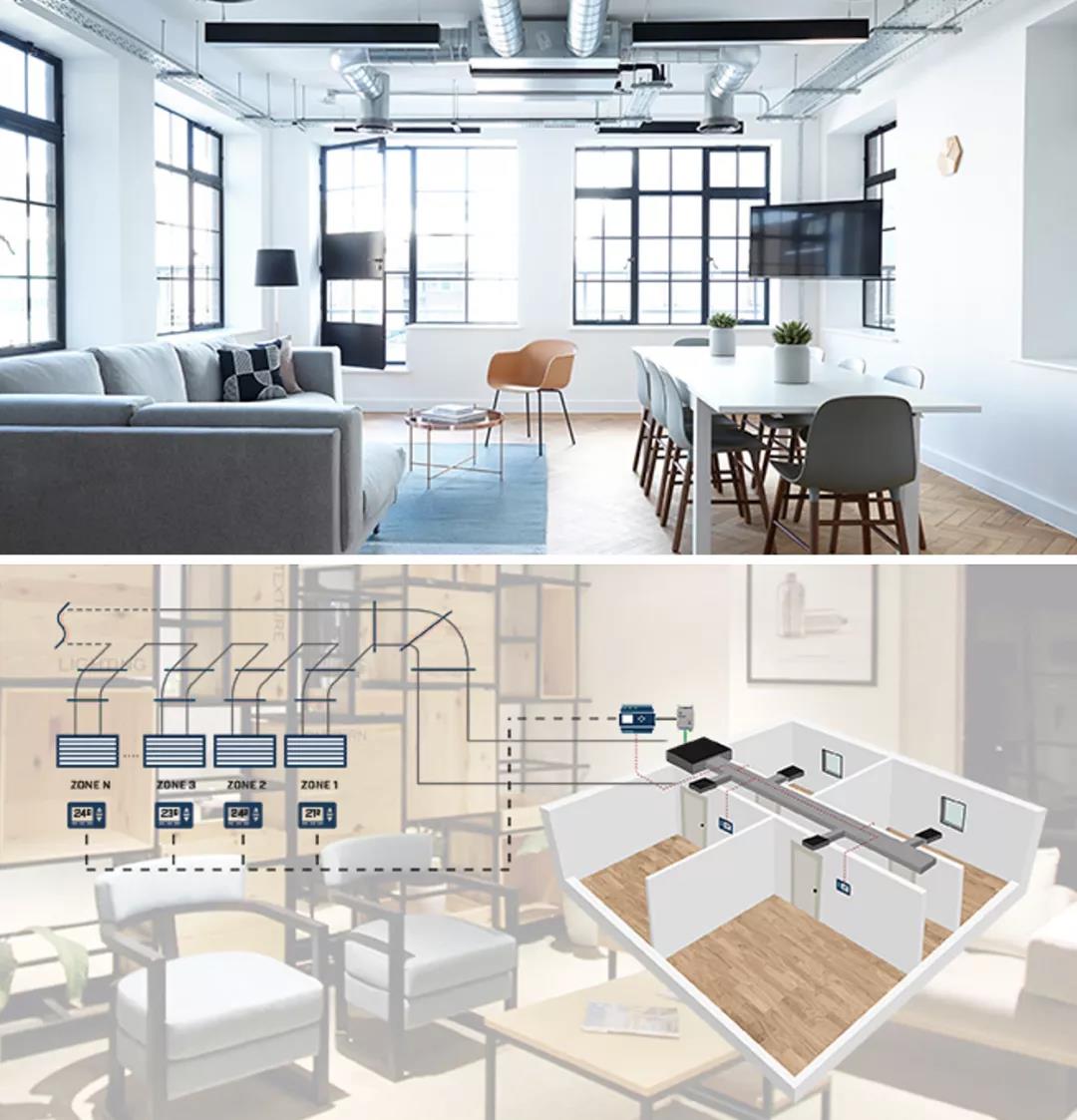
VRF applications in office buildings
Over the past 5 years, VRF systems have performed well in the residential market, while commercial applications account for most of the VRF market. The main drivers in commercial buildings are a recovery in construction and greater attention to efficient technologies and products. VRF systems are used in many commercial buildings, from small shops and cafés to large office buildings and public spaces. A major driver of rapid market growth is increasing demand for greater efficiency across different functional zones within buildings. VRF systems can control heating and cooling requirements in different building zones. Compared with conventional air conditioning, they are more energy-efficient, take up less space and are easier to install.

VRF applications in shopping centres and retail stores
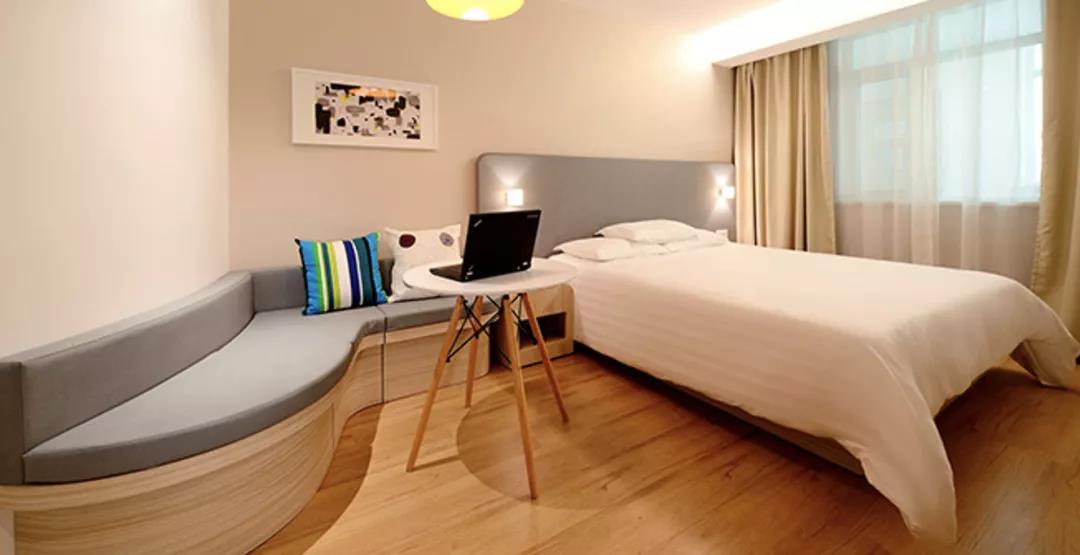
VRF applications in apartment, townhouse and hotel projects
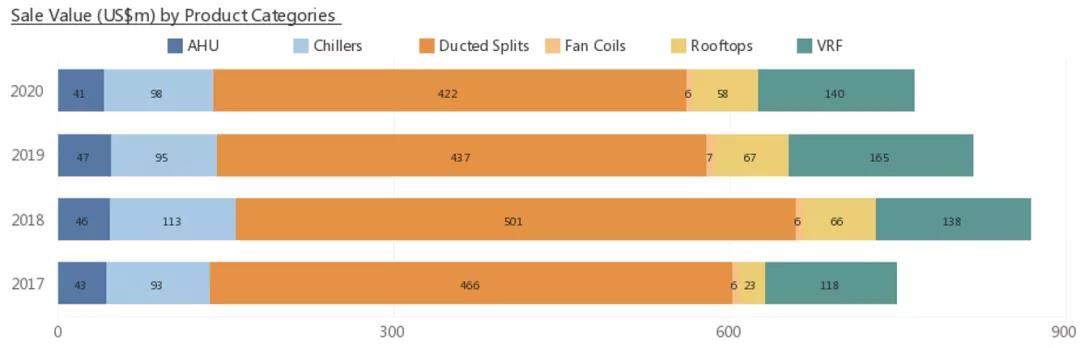
In recent years, VRF’s market share has continued to grow in New Zealand’s neighbour, Australia. Mini VRF accounts for around 50% of Australia’s VRF market, because VRF systems can effectively reduce energy consumption and energy bills. Installing VRF can improve energy efficiency in both residential and commercial buildings. Looking ahead, growing residential, commercial and industrial demand in places such as Australia and New Zealand is driving rapid VRF market growth. Rapid infrastructure development in these regions will also make a very positive contribution.
Air-conditioning energy is mainly consumed by heating and cooling equipment and by transferring heat. Reducing air-conditioning energy use therefore requires action in both areas.
1
Reduce heating and cooling energy use by making full use of inverter technology
Inverter technology allows compressor output to match the actual demand from indoor units, maintaining high energy efficiency even under part-load operation. Compared with fixed-speed air conditioners, which do not adjust compressor output to changing demand, inverter air conditioners save more energy and substantially improve comfort.
2
Reduce energy used for heat transfer
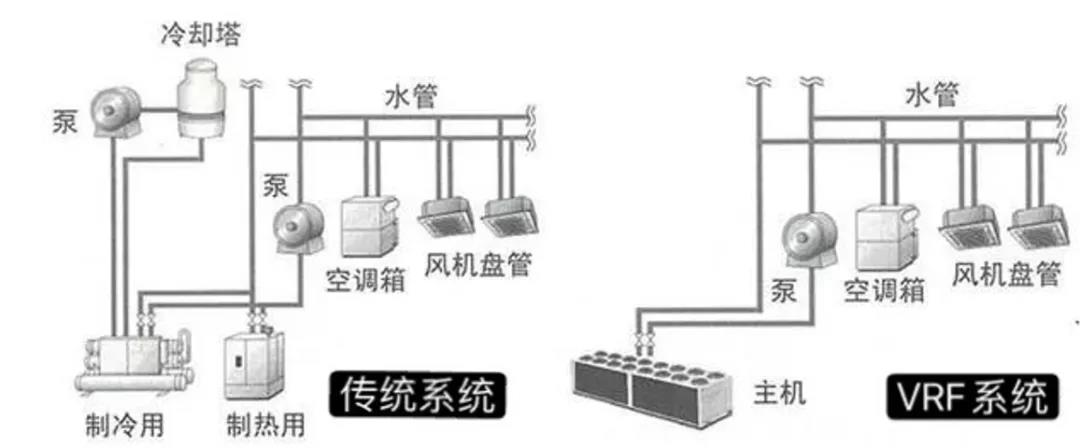
Compared with water-cooled and air-cooled systems, VRF systems require fewer components, as shown below, eliminating the energy those components would otherwise consume. VRF therefore uses less energy for heat transfer and meets the global push for energy savings and emission reductions.
Chinese brand Midea, which has recently become a leader in China’s air-conditioning market, places great importance on overseas development. Its ATOM series of Mini VRF systems is particularly suited to current market needs in New Zealand and Australia. In this article, we introduce the distinctive features of Midea’s Atom series Mini VRF systems compared with other multi-split products.
1
A range of capacities to suit different needs
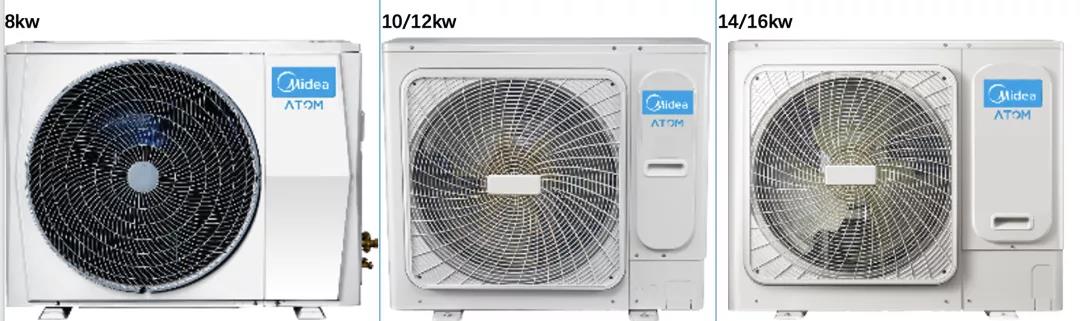
Atom series models range from 8 kW to 16 kW. This broad capacity range suits a wider variety of installation environments, freeing up considerable outdoor space and reducing the number of outdoor units.
2
Various indoor unit types to suit different interior spaces
Indoor options include one-way cassettes, four-way cassettes, compact four-way cassettes, wall-mounted units, standard medium-static-pressure ducted units, curved-series slim ducted units and high-static-pressure ducted units, with capacities from 1.5 kW to 16 kW.
3
Meeting a range of control requirements
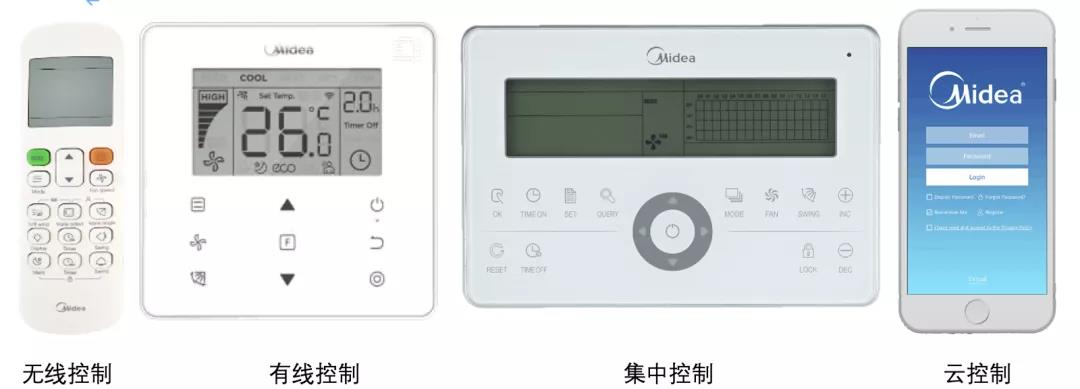
Atom can be operated using remote controllers, wired or group controllers, central controllers and cloud controllers.
4
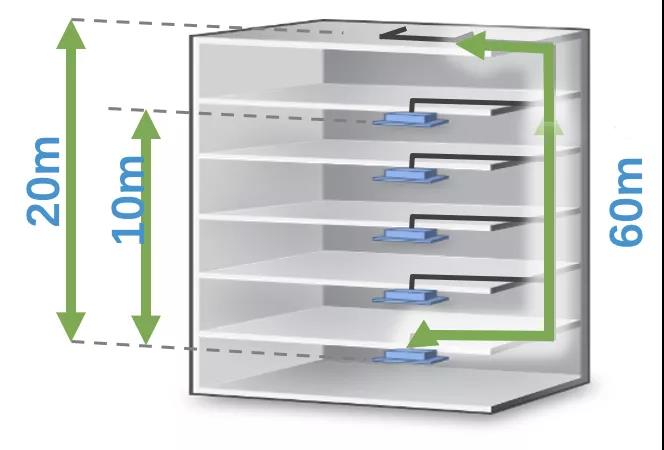
Extra-long system pipe runs allow more flexible installation and design
5
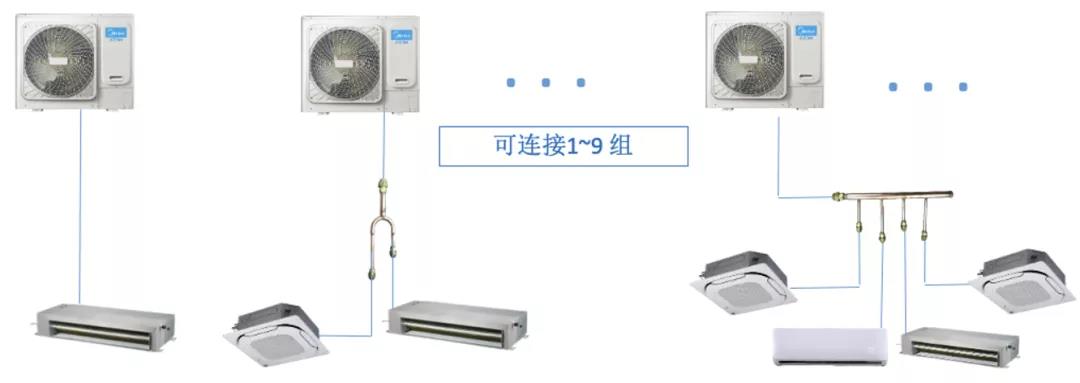
Flexible combinations of indoor and outdoor units offer greater versatility
One outdoor unit can support 1 to 9 indoor units.
6
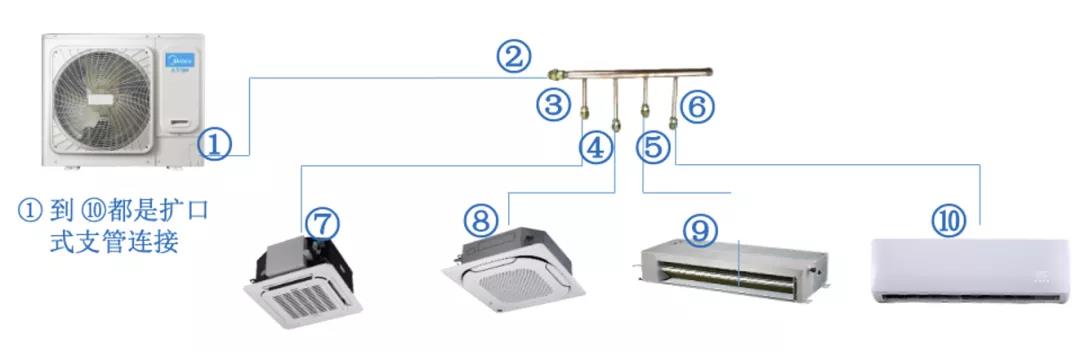
Threaded connections
Threaded connections are used between outdoor units and branch joints, and between branch joints and indoor units, greatly simplifying installation without any welding. Multi-branch joints offer options connecting 1 inlet to 2, 3, 4, 5 or 6 outlets, further simplifying installation.
7
Fewer installation materials and a tidier appearance
Atom indoor units share a single main pipe. Compared with multi-split systems, this uses less copper piping, requires fewer alterations to rooms during installation and gives the system a tidier appearance.
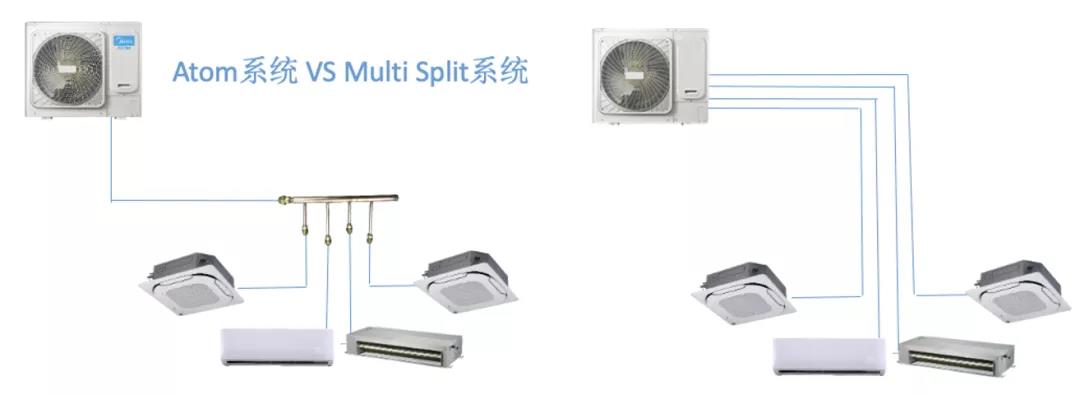
As with the piping system, Atom indoor units share a single communications cable. This requires less wiring than multi-split systems.
8
The figures show clear advantages
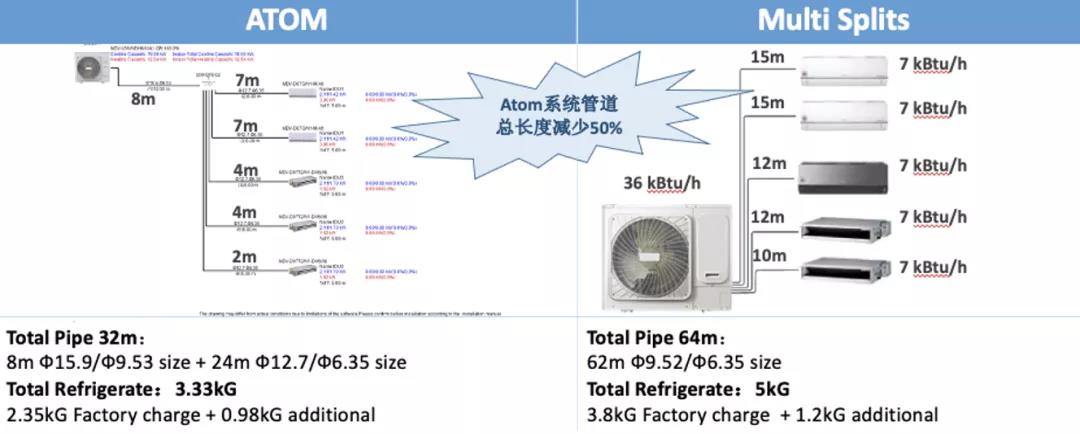
Example: assume the same system configuration, with an L-brand multi-split outdoor unit rated at 36 kBtu/h and five indoor units, each rated at 07 kBtu/h. The multi-split system requires 62 metres of piping in total, compared with 32 metres for Atom—50% less. Naturally, using less copper piping also reduces the amount of refrigerant the system needs.
Summary
Compared with other systems, Midea’s Atom series Mini VRF offers substantial advantages in design, installation and energy consumption. It is particularly well suited to the apartment and townhouse projects currently so popular in New Zealand’s property market.
Why choose Argus Engineering?
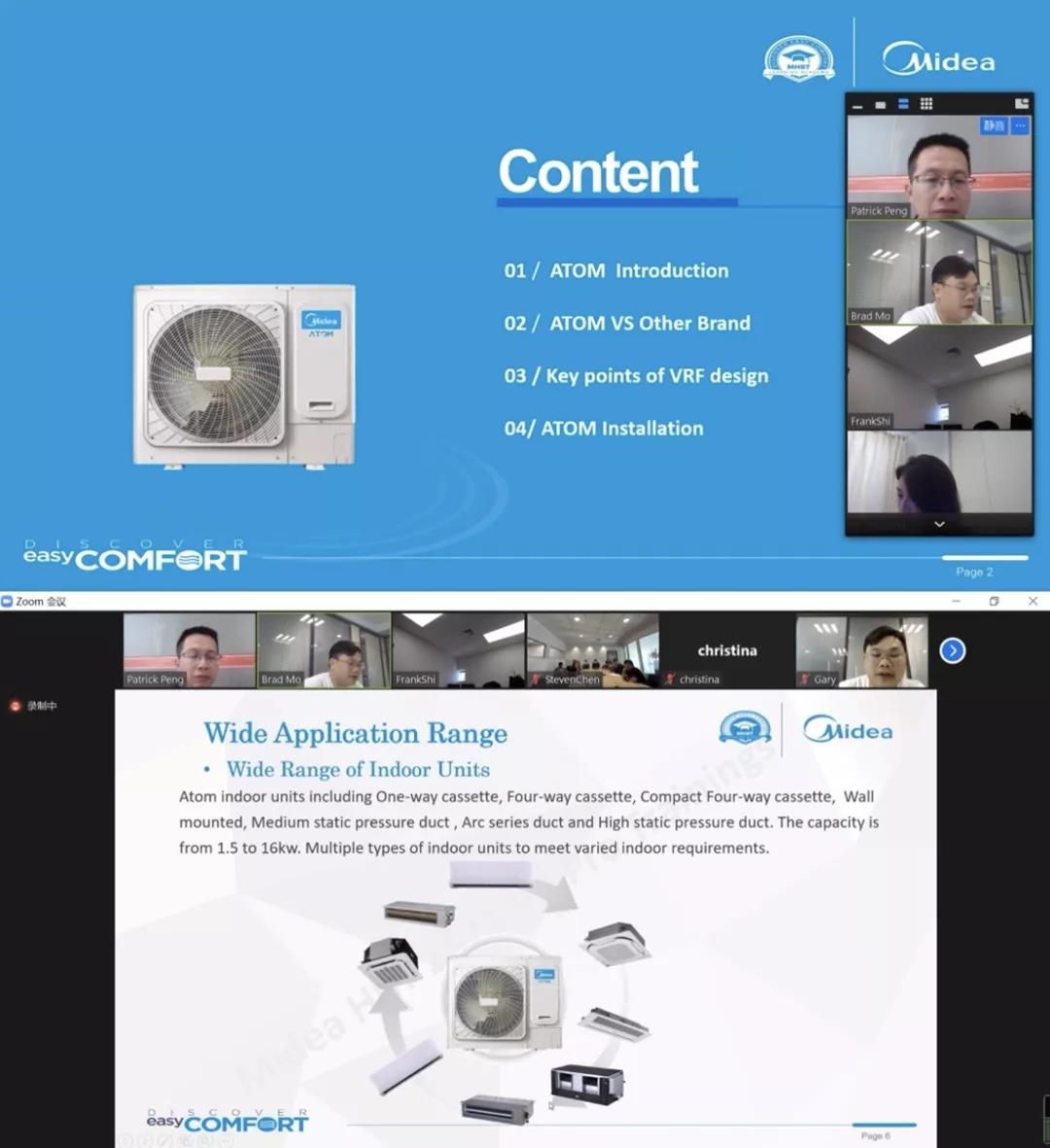
Argus recently held two online training seminars on Midea’s Atom series Mini VRF multi-split air-conditioning systems. They attracted numerous New Zealand HVAC professionals, local developers and builders. Participants had high praise for this revolutionary, high-tech Midea product, which can replace multiple outdoor air-conditioning units.
The online seminar in progress
As the New Zealand commercial-products distributor for Chinese brand Midea, Argus Engineering tailors products and services to local projects, supporting Chinese brands and Chinese-made products entering New Zealand. As part of Midea’s overseas network spanning 200 countries, it provides dependable solutions and services for local projects, offering clients the best solutions throughout budgeting, design, installation and maintenance.
Before the sale: saving you time and effort
A professional liaison team with extensive New Zealand construction-project experience saves communication time and improves operational efficiency.
During the sale: confidence
As the New Zealand distributor for premium German bathroom brand Bravat and Chinese brand Midea, Argus Engineering provides strong support for local construction projects with the best products and services.
After the sale: peace of mind
Professional installation supervision and after-sales service teams provide strong support for project operations.
Overall, Argus Engineering offers you a one-stop solution.