
Property listings hit record levels: which sales method can help sell your home faster?
The latest data from New Zealand property website realestate.co.nz shows that the number of homes for sale has doubled from a year ago, asking prices continue to fall, and new listings are well above pre-pandemic levels. The market has firmly become a buyer's market

The latest data from New Zealand property website realestate.co.nz shows that the number of homes for sale has doubled from a year ago, asking prices continue to fall, and new listings are well above pre-pandemic levels. The market has firmly become a buyer's market.
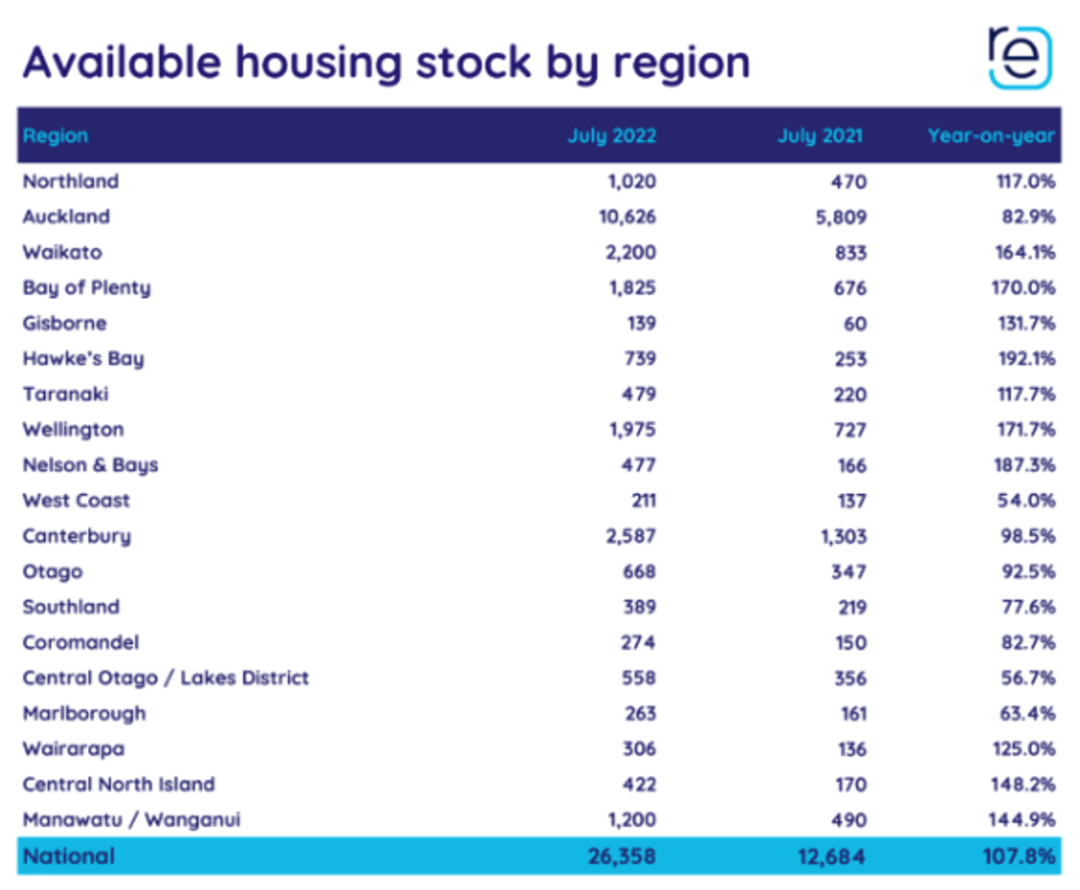
At the end of July this year, realestate.co.nz had 26,358 residential properties for sale, more than double the number a year earlier, an increase of 108%. This puts the number of properties available for sale at its highest level since 2015. The increase has inevitably added downward pressure to sale prices. The national average asking price on realestate.co.nz fell from its peak of NZ$994,885 in January 2022 to NZ$907,411 in July, a drop of NZ$87,474, or 8.8%.
With market conditions this challenging, are sellers starting to get restless? In this article, we discuss which sales methods best suit the current market.
Generally, different property sales methods suit different market conditions and regions. Auctions, for example, suit a buoyant market, while sales by negotiation or with an asking price are better suited to a quieter market.
Here in Auckland, auctions have long been the most popular way to sell property because they are relatively fair and offer buyers a transparent bidding process. Those attending can see who is bidding and how much each bid is. Because buyers bid unconditionally, this means that once someone bids, the property has successfully sold, leaving the seller in control of the transaction. Notably, many Auckland properties were sold through online auctions during the COVID pandemic. However, after the upheaval of the pandemic and last year's FOMO (fear of missing out) market peak, more property sales are now being concluded through negotiation or at a fixed price.
Real Estate Authority chief executive Belinda Moffat said she had seen shifts across a range of sales methods, reflecting people's adaptation to the changing market. In a subdued market, buyers and sellers tend to prefer negotiation or fixed-price sales. These give buyers some confidence about the final price, allowing them to take time to assess a property's value and ultimately agree on a price they consider reasonable. Indeed, negotiation and asking-price sales are the most common methods across much of the country outside Auckland. In Wellington, however, tender is the dominant method. Tommy's Real Estate director Nicki Cruickshank explained that this could be because Wellington is relatively small and people value their privacy. They do not like making their assets or offers public in a city where everyone may know one another.

Broadly speaking, property sales methods fall into five main categories.
1
Sale by negotiation and private treaty
Belinda Moffat said negotiation is the most flexible sales method. With no asking price, sellers and buyers negotiate to reach an outcome both are happy with. North Shore Harcourts agent David Ding said negotiations can cover more than price, including the settlement date, purchase conditions and a wide range of other requirements.
2
Asking price
An asking price is the price stated in the advertisement, but it does not necessarily settle the matter. If a property is advertised at an asking price above market value, that price serves only as a guide in practice, and negotiations can take place after a buyer makes an offer. Of course, sellers will not necessarily accept this approach, except in a weak market. A seller's interest in an offer usually depends on any purchase conditions and whether there are competing offers. When other buyers also submit offers, a “multi-offer” situation arises, but buyers do not know one another's prices. In these circumstances, a buyer may end up paying more than the asking price. Agents, meanwhile, cannot make decisions for sellers without knowing what price they have in mind. David Ding said he had seen many very low offers this year. Some succeeded and others failed; some sellers were angered by low offers, while others remained keen to negotiate. He considered a gap of 10% between the offer and asking price a reasonable negotiating range.
3
Auction
Sellers set a reserve price in advance that they are prepared to accept. If bidding reaches that price, the property is sold to the highest bidder. An auction sale is unconditional, meaning buyers cannot attach a series of conditions and both parties have limited scope to change their minds.
{ad}
If bidding does not reach the reserve, interested buyers may enter a multi-offer process to continue the sale. If no buyers are interested and the property is passed in, it may in some cases return to the market for sale by negotiation or at a fixed price.
4
Tender
Once a property is listed, all interested buyers can request the sales information and have an opportunity to submit their best offer before a specified date. Offers are confidential and are presented to the seller by the agent at the same time. The seller then decides which offer to accept or whether to negotiate further. Throughout the process, buyers do not know what others have offered. Belinda Moffat said auctions and tenders tend to be used in buoyant markets because stronger competition drives up the final sale price.
5
Deadline sale
The seller sets a date by which they say the property will be sold. They may accept offers and negotiate at any time before that date. Belinda Moffat believed this approach creates a sense of urgency: buyers who really like the property feel they need to make an offer sooner.
REINZ chief executive Jen Baird said people in different regions may favour different sales methods simply because they have seen neighbours use them successfully. Alternatively, they may feel comfortable with a particular method. Even in a cooling market, people may still take their property to auction because it gives sellers a degree of certainty. She had noticed more sale and purchase agreements in the current market subject to “all sorts of conditions”. Finance was an obvious and common example, while buyers might also require the sale of their own home first. If buyers cannot fulfil the conditions, the transaction ends. Agent Ding said there were fewer cash buyers in the market and more negotiated offers subject to conditions.
Meanwhile, the Real Estate Authority advises that, with the risk of interest rates continuing to rise and property maintenance costs increasing, buyers need to consider more than their deposit. They should also think about future mortgage repayments and what they can afford over the long term.

To explore these property sales questions in greater depth, YIJU New Zealand once again urgently contacted several experienced property advisers, seeking to present the most accurate picture of the market.
Q: Which property sales method do you think best suits the current market?
James Law:We need to choose the most suitable sales method based on the property's characteristics. Standalone homes, townhouses, apartments, development sites, farmland, shops, offices, factories, existing properties and off-the-plan properties all have different characteristics and market positions. We need to understand each property and its target buyers precisely. One prescription cannot cure every illness. What most people understand by “property” is usually a standalone home or townhouse. There are still buyers for both types, and auctions can still attract quality buyers effectively. However, with fewer qualified buyers in the market, results are somewhat weaker than before.
Gavin Han:Barfoot & Thompson's deadline sale method is a good option. Buyers can submit unconditional or conditional agreements, which is particularly helpful when lending processes are relatively slow and banks need longer to approve loans. Owners also have enough time to consider all agreements carefully.
Amy Chen:Every home is unique and needs to be assessed on its own merits. For example, auctions remain the first choice for owner-occupier homes with good layouts in good school zones, and for scarce, high-quality development properties. Negotiation and tender are better suited to properties with some drawbacks.
Q: What can sellers do to sell their homes more efficiently?
James Law:Sellers need to assess their own circumstances and decide whether they need to list in the current challenging market.
Although the approach depends on the property's characteristics, price is currently the most critical factor.
Gavin Han:With many years of sales experience, I recommend that owners tidy and clean the interior, exterior walls, roof and garden before listing, and ideally arrange professional home staging. For owner-occupied properties, pack away personal belongings, infrequently used everyday items and furniture ahead of time to show the interior space. For investment properties, maintaining good relationships and communication with tenants is essential.
Amy Chen:Developing a sales and marketing strategy in advance is crucial. Advertising spending is usually concentrated in the first few weeks of a listing, and buyer numbers are typically highest during the first three weeks. Get the marketing direction right from the outset, adjust price expectations promptly and make the most of this prime promotional period.
Q: What advice would you give sellers and buyers in the current market?
James Law:If you are not in a hurry to sell, consider alternatives such as renting out the property to weather the current market winter and wait for a better selling opportunity. If financial circumstances force an urgent sale, recognise early that the market has changed and accept a loss to protect your overall position.
Gavin Han:Owners need patience while waiting for the right buyer, while also accepting market changes and adjusting their price expectations. Buyers should prepare thoroughly, especially their bank finance. Recent market movements have been difficult to predict, so act promptly when you find a property you love. Good properties and good opportunities do not wait.
Amy Chen:For sellers: leave professional work to professionals. Listening to expert advice is even more important in a subdued market. Adjust your mindset; homes that meet market expectations can still sell successfully. For buyers: no home is perfect, so identify what matters most to you. Avoid simply following others. Develop an investment strategy suited to your circumstances, or look for a home that meets your needs. Learning more about property will help you avoid pitfalls.
Disclaimer: The views expressed above are personal opinions and do not represent YIJU's position.