
Does the slower pace of house price falls in September mark a turning point towards recovery? Let the data provide the answer
The latest data from New Zealand property research firm CoreLogic shows that national house prices recorded their steepest-ever third-quarter fall this year, although the pace of decline has gradually eased. Its latest House Price Index shows that the national average house price fell 4.1% over the quarter, reaching NZ$997,158 in September.

The latest data from New Zealand property research firm CoreLogic shows that national house prices recorded their steepest-ever third-quarter fall this year, although the pace of decline has gradually eased. Its latest House Price Index shows that the national average house price fell 4.1% over the quarter, reaching NZ$997,158 in September.
{ad}

CoreLogic head of research Nick Goodall
CoreLogic head of research Nick Goodall said the decline made this one of the worst periods recorded by the firm's House Price Index, only slightly better than the record 4.4% fall in the third quarter of 2008. This suggests the market is undergoing a sharp correction after the exceptional price growth seen during the COVID pandemic. The data shows varying price declines across the main centres. Wellington recorded the largest falls in both September and the third quarter, down 2.5% and 8.5% respectively. Its average house price has fallen to NZ$984,640, down 9.1% from a year earlier. Goodall said the region's decline was the largest recorded since 1990, exceeding the 5.2% quarterly fall recorded during the global financial crisis in the quarter ending September 2008.
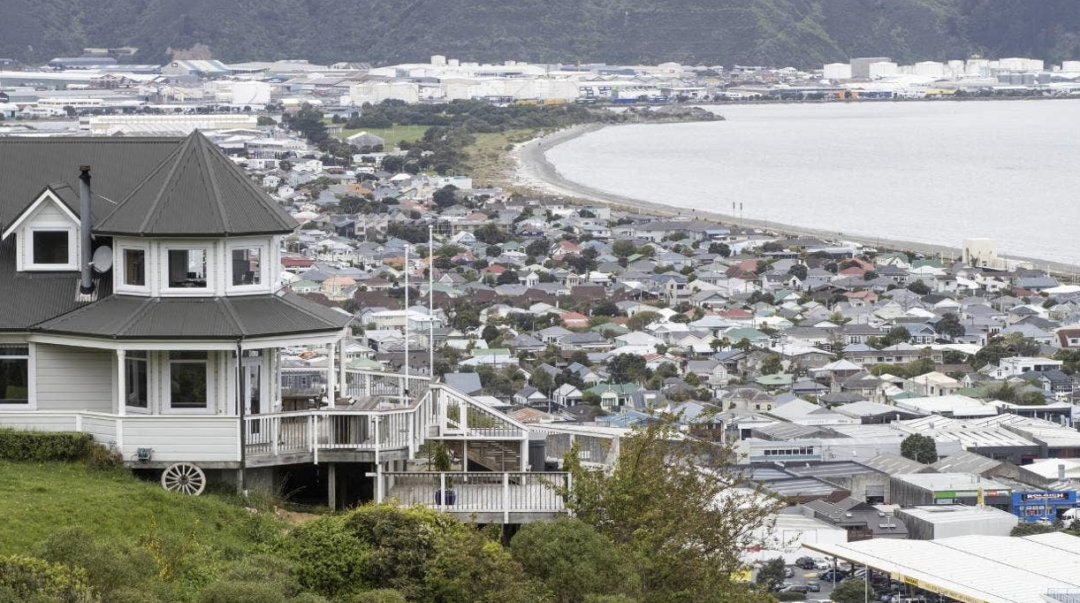
This year, in month 9, Wellington recorded a record house price decline
Goodall also said weakness in the capital's housing market had had a very widespread impact on surrounding areas. The data shows Wellington City and Porirua prices fell 8.7% and 8.6% respectively over the quarter, while Lower Hutt and Upper Hutt prices fell 11.9% and 10.1% respectively over the past year. Although the Kāpiti Coast's decline was smaller than those in some main centres, its average house price was still 3.7% below a year earlier. Dunedin recorded the second-largest quarterly decline among the main centres. Prices fell 5.4% over the past month, taking the average to NZ$645,376. This exceeded the previous record monthly fall of 5.1%, set in July 2008, although its current annual decline of 4% remains below the record 11% annual fall recorded in the year ending February 2009. Goodall predicted that price falls in Wellington and Dunedin could accelerate further because housing affordability relative to borrowers' incomes had worsened during the recent property boom. Wellington prices had previously risen too quickly, while Dunedin prices had been climbing steadily even before the pandemic, exacerbating affordability problems in both cities. Buyers, particularly first-home buyers, can no longer afford high house prices and mortgage repayments, especially with mortgage interest rates continuing to rise.
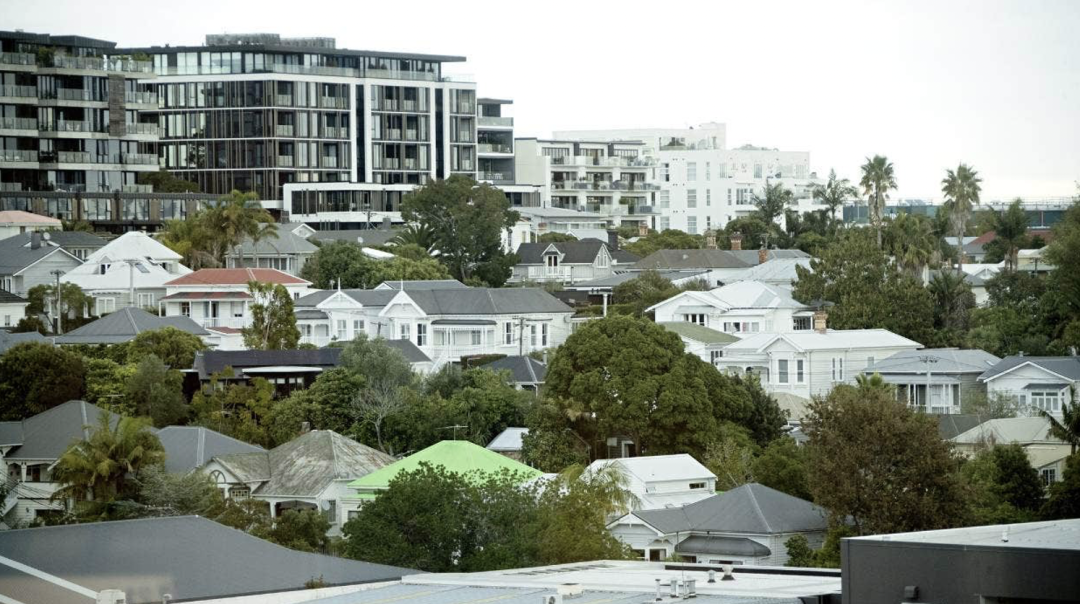
Auckland: in month 9, house prices rose year on year by +3%
Average house prices in the other main centres fell over the quarter but remained above their levels a year earlier. Christchurch's average, for example, is now NZ$756,695, up 13.6% from September last year. In September, Hamilton and Tauranga had average house prices of NZ$856,829 and NZ$1,100,000 respectively, up 4.1% and 5.5% year on year, although they fell 2.7% and 3.5% respectively over the latest quarter. In Auckland, there are signs that price declines have stabilised. Prices fell 4% in the latest quarter, an improvement on the previous quarter's 4.6% decline. The region's average house price in September was NZ$1,380,000, up 3% year on year. Goodall believes Auckland's decline looks less severe than last month, potentially indicating that prices have bottomed out. Auckland's market last month also mirrored the national picture: although the national average house price fell 1.5% in September, this was an improvement on the previous month's 1.8% decline.

Independent economist Tony Alexander
Independent economist Tony Alexander said last month's signs of slowing house price declines did not mean prices would soon stop falling and rebound. His latest survey of real estate agents found that 8% believed fewer potential buyers were attending auctions. Although this appeared to be a negative finding indicating current market weakness, he explained that it was the most optimistic survey result since September 2021, following the introduction of new lending rules. The result suggests that increasing numbers of potential buyers are attending auctions, many having recently become eligible to purchase property after moving from work visas to resident visas. Notably, for the second consecutive month, Alexander's survey found that more agents were reporting increased rather than reduced attendance at open homes. This was the most positive result since February last year, when the government introduced tougher LVR rules.
In September, 27% of real estate agents reported seeing more first-home buyers in the market, up from 5% a month earlier. This was a fundamental shift from February, when 71% of agents believed first-home buyer numbers were falling. However, he said that while all the signs pointed to the market beginning to turn, this did not mean prices would stop falling. About 39% of agents surveyed believed prices were still declining in their areas, although this was a much better result than in August and June, when 47% and 72% respectively reported falling prices. Tony Alexander said that while nobody could accurately predict in advance the particular month when prices would stop falling and start rising, the signs suggested New Zealand's residential property market had begun to recover, albeit modestly, with prices still declining.
Nick Goodall shared a similar view. Although the pace of price declines had eased, he believed it was too early to say the housing market had passed the worst of the downturn. Much still depended on interest rates. With the OCR rising further this week to 3.5%, downward pressure on house prices could persist. Continued high inflation could also prompt further OCR increases through to the middle of next year, prolonging the current economic downturn. He said that as long as unemployment remained low, the market would undergo an orderly correction and recovery.