
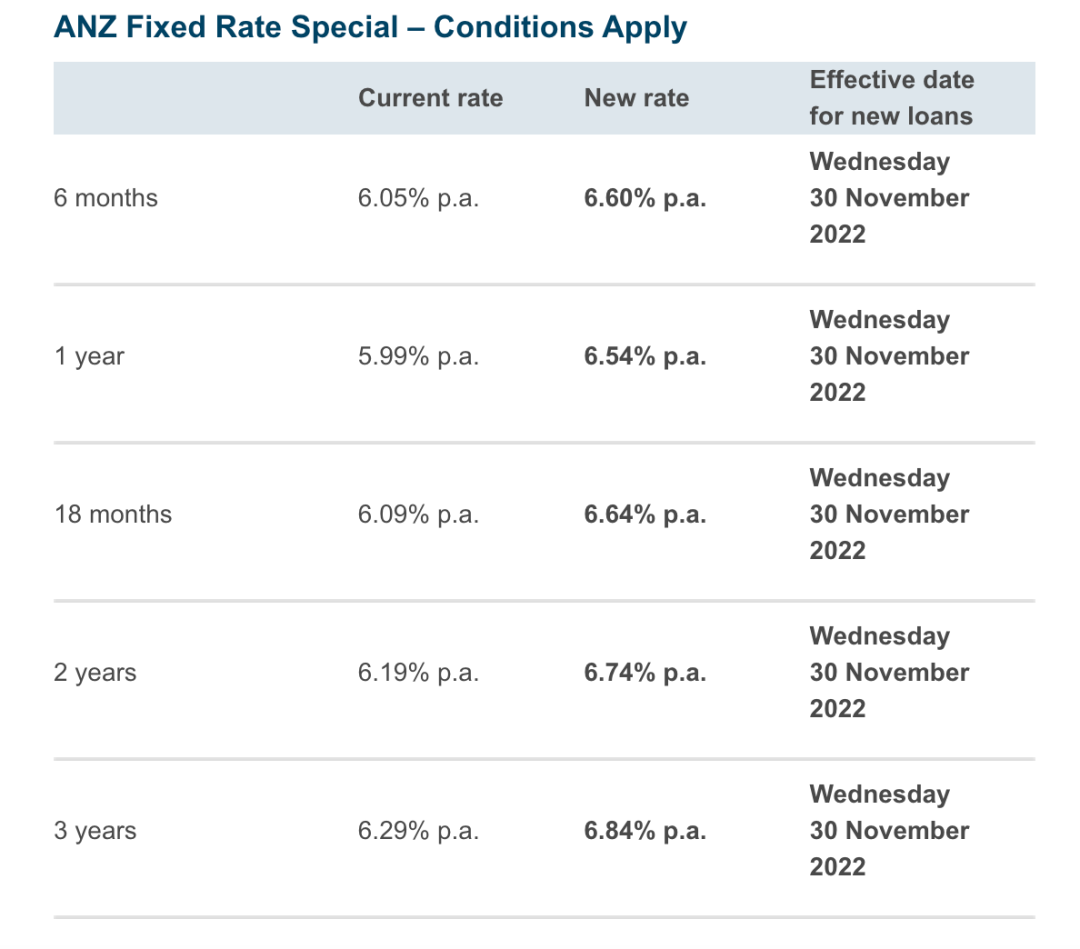
Breaking: ANZ announces rate rises, with its one-year fixed rate increasing from 5.99% to 6.54%!
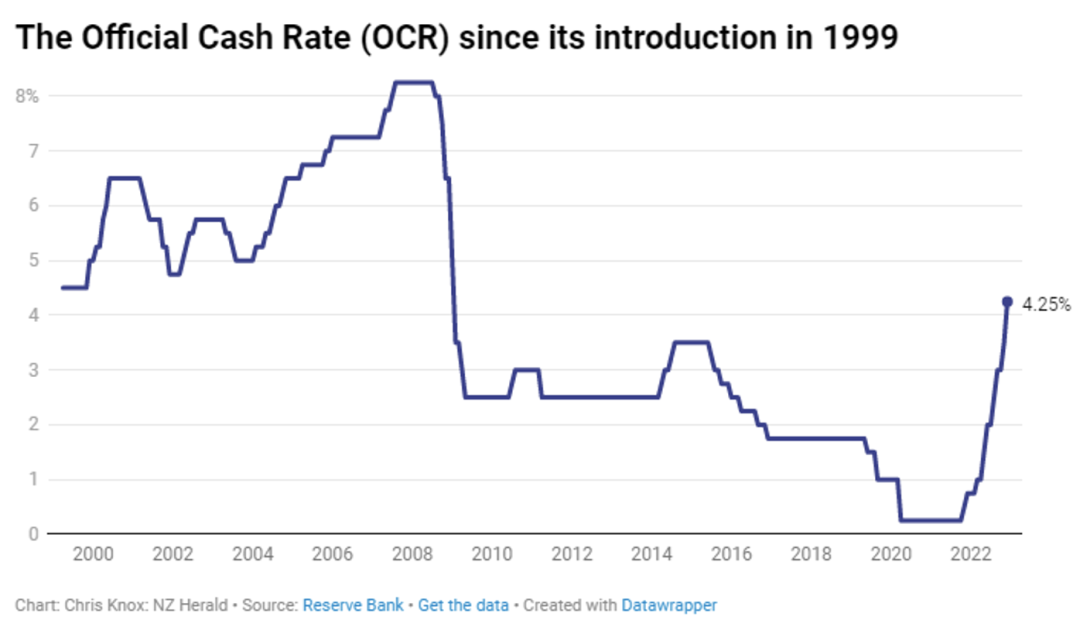
Last week, Reserve Bank of New Zealand (RBNZ) Governor Adrian Orr and the committee decided to raise the official cash rate (OCR) by 0.75 percentage points to 4.25%.
Last week, Reserve Bank of New Zealand (RBNZ) Governor Adrian Orr and the committee decided to raise the official cash rate (OCR) by 0.75 percentage points to 4.25%. More surprising were their forecasts for the next 12–18 months: the OCR would peak at 5.5% by mid-2023, with a recession and rising unemployment next year. Inflation would not begin to ease until the second half of 2023, and house prices would fall 20% from their peak.
{ad}
Everyone was waiting to see how New Zealand’s commercial banks would respond. Today, ANZ announced it would raise interest rates on a range of home loan, savings and investment products.
ANZ announces rate rises
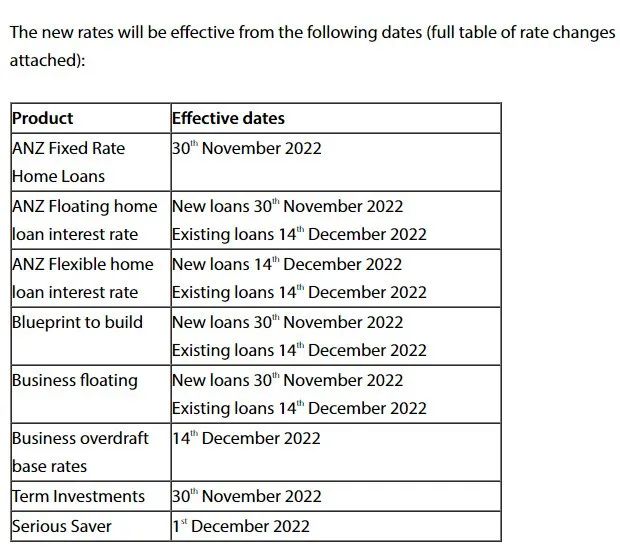
On 29 November, ANZ raised its home loan and deposit rates, becoming the first major bank to act since the Reserve Bank raised the official cash rate by 75 basis points to 4.25% last week.
ANZ did not pass the full OCR increase on to borrowers. Instead, it raised its floating and flexible mortgage rates by 65 basis points. Its short-term fixed rates will rise 55 basis points, while its four-year and five-year fixed rates will increase 35 basis points.
The Serious Saverd deposit rate will also increase 75 basis points, while the 12-month term deposit rate will rise 60 basis points.
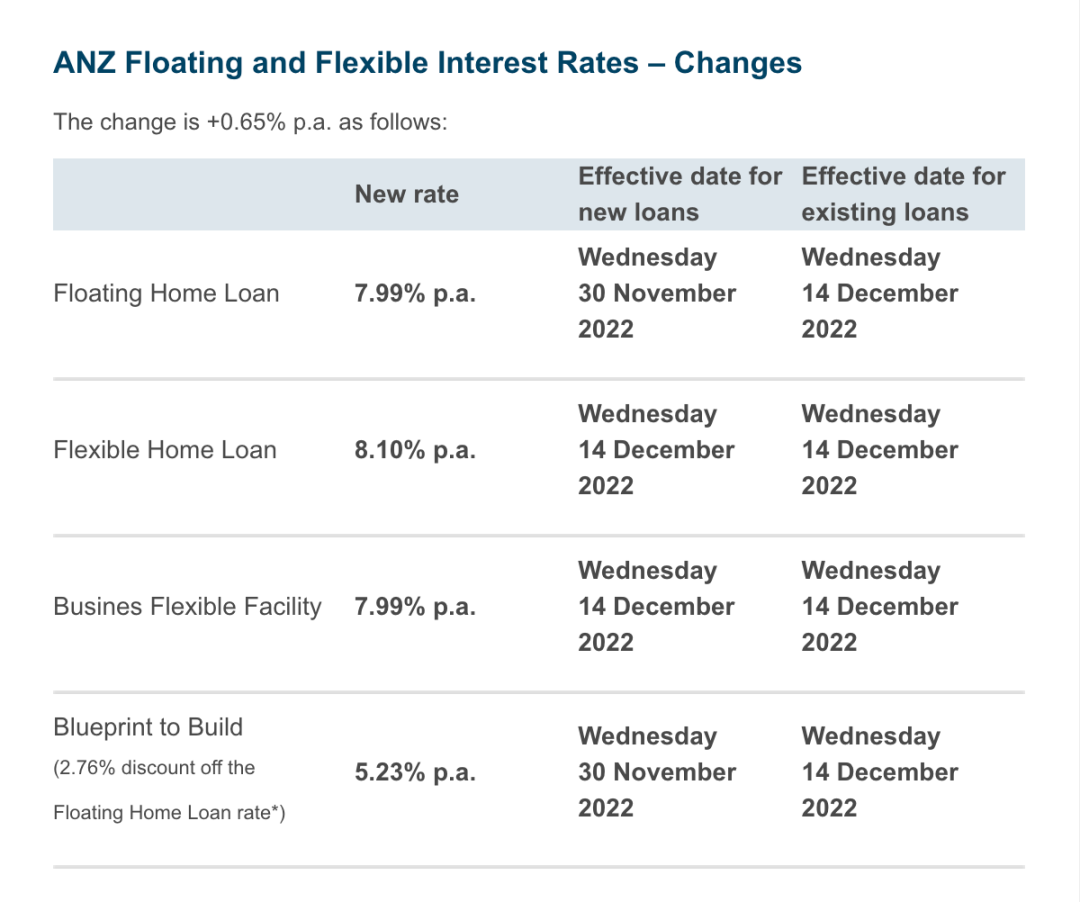
ANZ managing director of personal banking Ben Kelleher said the bank considered a range of factors when reviewing interest rates, including the impact on customers and changes in the official cash rate and wholesale rates.
Reserve Bank Governor: a recession is necessary
Reserve Bank of New Zealand Governor Adrian Orr told media last week that the bank was engineering a mild recession, but that it was necessary. “It is a slow, short-lived slowdown, but it is necessary to remove excess demand pressure from the economy.”
Orr said the Reserve Bank was raising interest rates to slow spending so it better matched the economy’s capacity to supply the goods and services people needed. He said households would need to rein in other spending as much as possible.
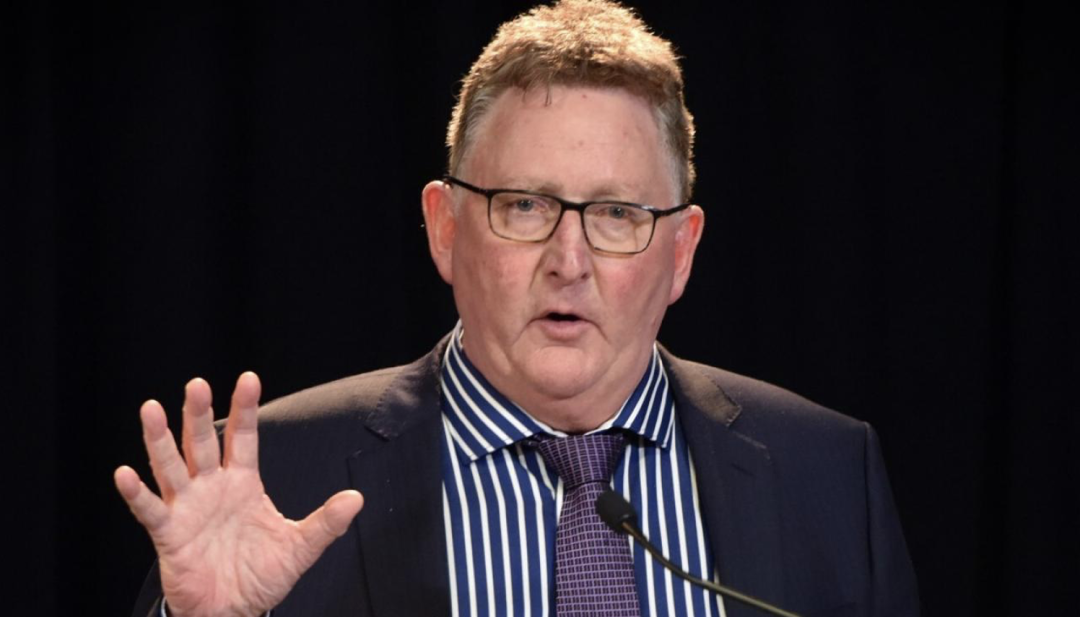
Reserve Bank of New Zealand Governor Adrian Orr
Stuff editor Tracy Watkins expressed concern about these remarks in an opinion piece.
“The Reserve Bank Governor has admitted he is deliberately engineering a recession to save us from ourselves and our extravagant spending.”
“We know what a severe recession feels like. In the 1980s and 90s, huge numbers of workers lost their jobs, devastating entire communities. Factories, small businesses and manufacturing outlets closed. Government jobs, such as those in the railways, were also hit hard.”
“Rural and provincial New Zealand was hit hardest. The effects of entrenched unemployment and poverty on generations are still with us today. No one is predicting New Zealand will again face a recession that severe. But any recession brings collateral damage.”
Who will be hit hardest by a recession?
Infometrics chief economist Brad Olsen explained that two groups were already being affected by inflation more than most: people on low incomes and those who had bought homes in the past two years.
People who bought homes 5 to 10 years ago are less affected by rising interest rates, as many have faced higher rates in the past. However, the recession forecast by the Reserve Bank could still have some impact on this group.
The Reserve Bank now expects unemployment could rise to 5.7%. Olsen said: “The difficulty is that the harder the economy is hit to bring inflation under control, the greater the risk of rising unemployment.”
“If you have a job, you will be all right — there is a lot you can do if you have a job — [but] if you do not have a job, if unemployment rises, it becomes much harder.”
He said that if consumers responded broadly to the Reserve Bank’s OCR moves by reining in discretionary spending, businesses would see a corresponding drop in sales. This could lead some businesses to reassess how many staff they needed.
Is the Reserve Bank trying to “scare people”? OCR may not need to rise further
Some people are pessimistic about the expected recession, but some analysts believe it is not necessarily a bad thing.
The expected recession will be mild. Although unemployment will be higher, this will be driven more by growth in the labour force than by outright job losses.
More importantly, talking about a recession could itself influence the market, removing the need for further OCR increases.
Independent economist Tony Alexander said the focus should be on the Governor’s words: “This is all about scaring people and getting them talking about a recession.”
By using a gloomy outlook to “scare” inflation down, the OCR may not actually need to rise to 5.5%. Another factor that could remove the need for further increases is the lag in monetary policy: earlier OCR rises could still have a sudden impact in the first few months of 2023.
World Bank: 2023 sees a rising risk of global recession
New Zealand is not alone in experiencing inflation. Central banks around the world have recently been raising interest rates to tackle it. A comprehensive World Bank study stated: “As central banks raise interest rates in response to inflation, the world may be heading towards a global recession in 2023.”
The report said central banks had raised interest rates this year with a degree of synchronisation not seen in the past 50 years, and that this trend was likely to continue into next year. However, the currently expected path of rate rises and other policy actions might not be sufficient to bring global inflation back to pre-pandemic levels.
World Bank Group President David Malpass said: “Global growth is slowing sharply and could slow further as more countries fall into recession. I am deeply concerned that these trends will persist, with devastating, long-lasting consequences for people in emerging markets and developing economies.”
The World Bank Group President offered this advice to countries: “To achieve low inflation, currency stability and faster growth, policymakers could shift their focus from reducing consumption to boosting production. Policies should seek to increase investment, improve productivity and optimise capital allocation, all of which are critical to growth and poverty reduction.”
The report showed that central banks now faced a difficult situation in their fight against inflation:
“The global economy is now experiencing its sharpest slowdown following a recovery from recession since 1970. The decline in global consumer confidence has already far exceeded the falls preceding previous global recessions. In these circumstances, even a small shock over the coming year could tip the global economy into recession.”