
Important: urgent building inspection notice! How should you deal with your home after flooding?
Auckland Council advises flood-affected homeowners to contact their insurer first, but insurers are also continuing to receive overwhelming numbers of calls
Key information from Auckland Council
-
Normal building inspections from Tuesday 31 January to Wednesday 1 February have been cancelled
-
For urgent or essential work, you can still contact BCdispatcher@aucklandcouncil.govt.nz to arrange an inspection
-
Online inspection bookings are temporarily suspended until 8h on Thursday 2 February
-
Auckland Council cannot automatically rebook cancelled inspections. If your inspection has been cancelled, you will need to rebook through the website after 8h on Thursday 2 February
-
You will not be charged a cancellation fee if Auckland Council cancelled your inspection
-
Before the end of 31 January, Auckland Council will reassess whether to cancel Thursday’s and Friday’s inspections
-
To report any building-related flooding issues or request a building assessment, call 0800 22 22 00
Auckland Council advises flood-affected homeowners to contact their insurer first. However, insurers are also continuing to receive overwhelming numbers of calls. The council therefore suggests homeowners needing urgent repairs contact a local industry association, such as the New Zealand Chinese Building Industry Association.
Practical guidance from Auckland Council for the community in the current situation
Here is an overview of the rapid building assessment process for your reference:
-
A red placard means the building is seriously damaged and unsafe. Re-entry is prohibited
-
A yellow placard means assessors have concerns about the building’s performance and have restricted access to parts of it or allowed temporary use. Further details of restricted areas will be recorded on the placard
-
A white placard means the property may have minor damage but is sufficiently safe and suitable to live in
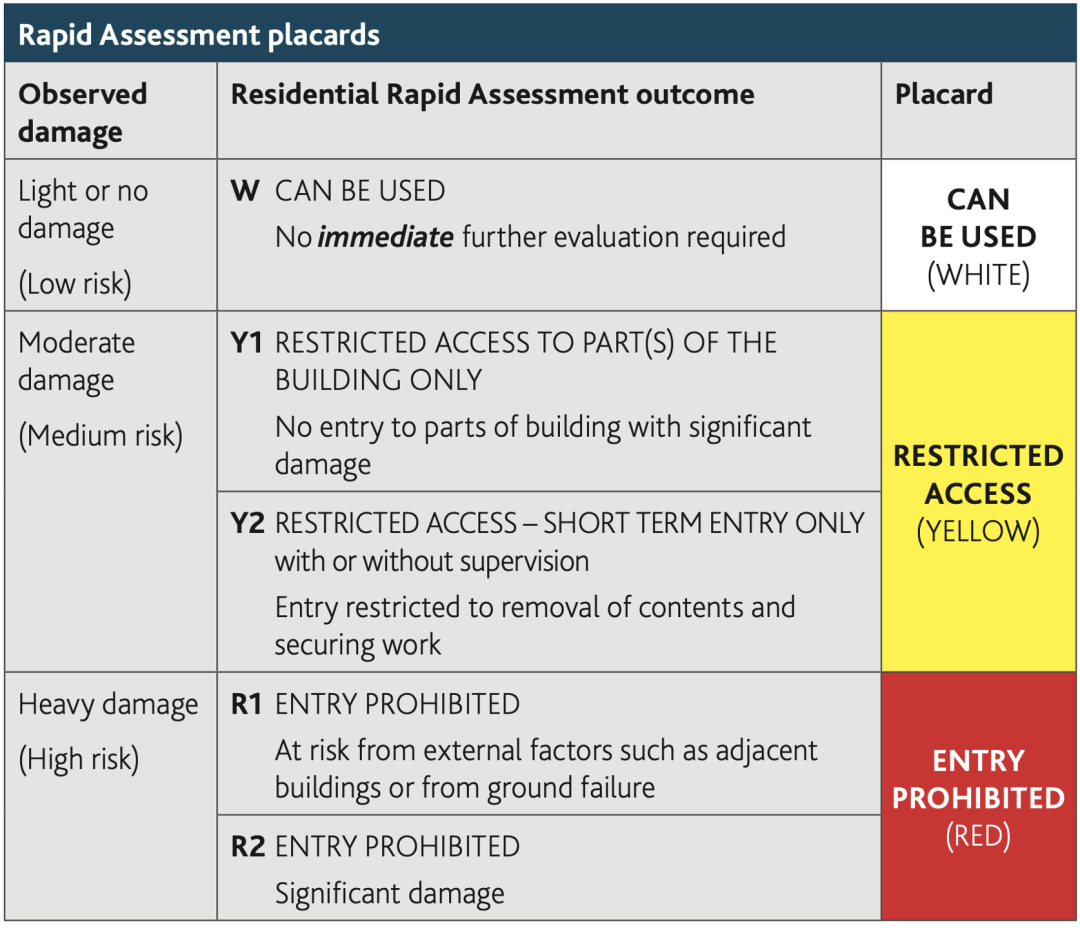
Image source: Building Usability Assessment Field Guide (Flooding)
Where red or yellow placards have been issued, the advice is to:
-
Evacuate immediately if instructed on the placard
-
Contact your insurer
-
Contact professionals for a more detailed inspection of the damage, such as a structural or geotechnical engineer, electrician or plumber
-
If you need further information or a report, or would like your building reassessed, contact 0800 22 22 00
How should you clean up after flooding?
It is very important to clean and dry your home and all your belongings, as floodwater may contain sewage and other harmful substances that can contaminate your home.
{ad}
If your gas meter has been affected by water or debris, contact your gas supplier.
Always work safely when cleaning up after flooding:
-
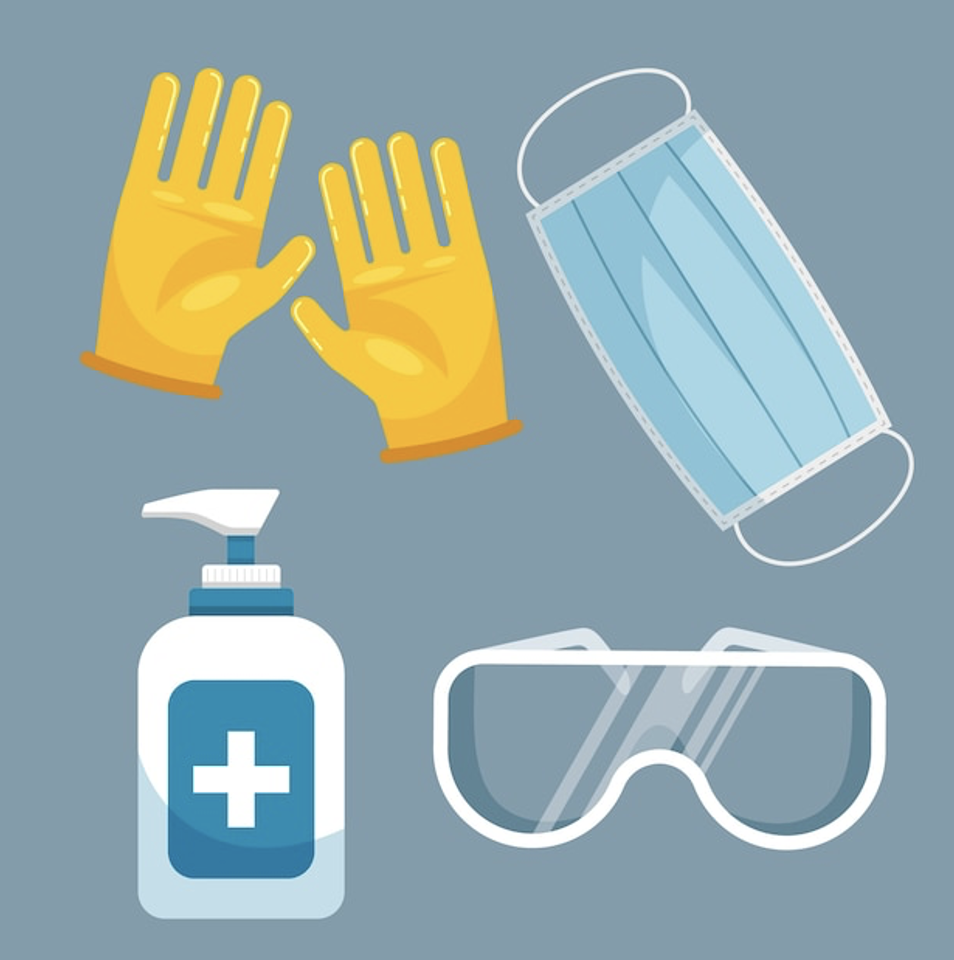
Wear a suitable P2 or N95 mask, goggles, gloves, long trousers, a long-sleeved shirt, and gumboots or work shoes
-
Cover any open wounds, scratches, grazes and cuts with waterproof plasters or dressings
-
Always wash your hands thoroughly after cleaning and before handling food
-
Damp furniture and surfaces can develop mould after a few days, making indoor air unhealthy. Mould may make people with asthma, allergies or other breathing problems ill
-
If you have concerns about cleaning or working in your flooded home, consult your doctor or another healthcare professional. If there is extensive mould, you may need professional help to remove it
-
Keep children and animals away from previously flooded areas until they have been cleaned and are safe
-
For insurance purposes, photograph and video the damage and anything that needs to be thrown away before starting the clean-up
Cleaning up indoors
-
Clean, drain and dry the interior as soon as possible. Remove everything wet that can be moved—floor coverings, furniture, bedding, clothing and so on—and put it outside to dry in fine weather
-
Check wall cavities, shower trays, baths and similar areas for trapped water and mud
-
Open all doors and windows and use heaters, such as floor fan heaters. Do not use outdoor gas appliances, such as patio heaters, indoors
-
Do not light a fire in a brick fireplace for at least two weeks, then use only small fires until the firebricks are dry
-
Consult an engineer if there are signs that the house foundations have moved. These may include buckled floors, new cracks in walls or distorted door frames
-
If necessary, remove skirting boards and cut away softened plasterboard in damaged areas. Consult an expert, such as an insurance assessor or builder
-
Replace wall linings and floor coverings only once the building is completely dry
-
Wait at least three months after completing necessary repairs before redecorating to reduce the risk of mould, blistering and peeling
-
If you have insurance, contact your insurer to lodge a claim and find out how they can help. They may carry out some of these steps for you as part of your claim
Kitchen
Throw away wooden items such as chopping boards and spoons, plastic utensils, baby bottles and teats if they have been in contact with floodwater.
Clean any other cooking, eating, drinking and kitchen utensils that have been in contact with floodwater:
-
Wash in hot, soapy water
-
Rinse thoroughly with clean water, then disinfect by soaking for 1 minute in a solution of 500 millilitres (about 2 cups) of plain, unscented household bleach in 10 litres of water. Rinse again with clean water. Alternatively, boil all utensils for 1 minute
Bedrooms and living rooms
-
Throw away mattresses and other large items soaked by floodwater. Rubber mattresses or pillows can be washed, disinfected and dried outdoors
-
Throw away contaminated clothing, carpets, upholstered furniture, toys and bedding unless they can be thoroughly cleaned and disinfected
Cleaning up outdoors
-
First clear access routes into the building
-
Use a shovel to remove surface contamination, taking care not to block drainage channels
-
The best way to make outdoor areas safer is to rely on natural processes such as sunlight, drying and wind. Expose garden surfaces and lawns to air and sunlight so they dry naturally
-
If an outdoor area is heavily contaminated with sewage, disinfect it with lime. Garden lime is available from garden shops. Follow the instructions on the label
-
Hard surfaces such as driveways can be cleaned and disinfected with 1 litre of household chlorine bleach mixed into 10 litres of cold water (a household bucket). Leave the disinfectant on for 30 minutes, then rinse thoroughly with clean water
Food safety
-
Bacteria carried by floodwater can contaminate food. Throw away all food and drinking water that has been in contact with floodwater, including anything stored in containers
-
Do not eat produce from your garden if the soil has been flooded. Clean up, remove debris and spread lime over the garden
-
Avoid using tap water for drinking or food preparation until you know it is uncontaminated, and follow your local authority’s boil-water notices
For more information on the Auckland flooding emergency and guidance for affected residents, visit:
https://www.aucklandcouncil.govt.nz/environment/looking-after-aucklands-water/flooding-blockages/Pages/default.aspx
Client enquiries Pauline Gao pauline@yiju.co.nz