
Don’t rush to clean up! How can you minimise losses after your home floods? Many people get it wrong…
Days of heavy rain since last Friday have caused flooding in Auckland, Northland and other areas, damaging thousands of properties
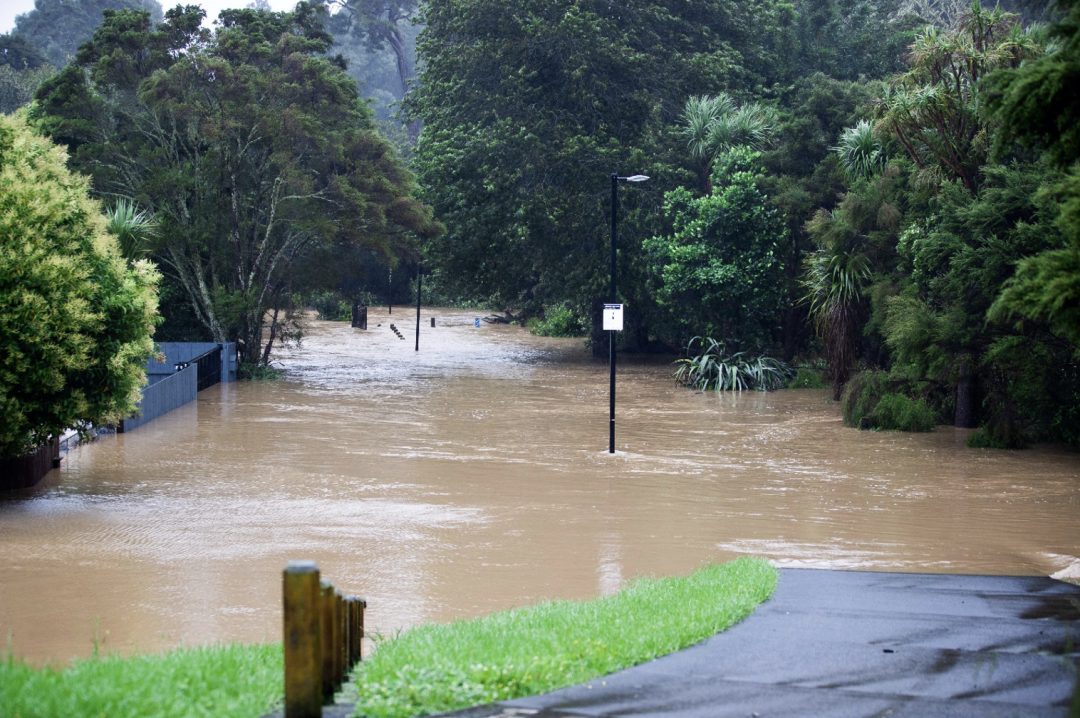
Days of heavy rain since last Friday have caused flooding in Auckland, Northland and other areas, damaging thousands of properties. Another prolonged downpour from Tuesday evening into Wednesday has closed two state highways north of Auckland and caused slips and power cuts in West Auckland.
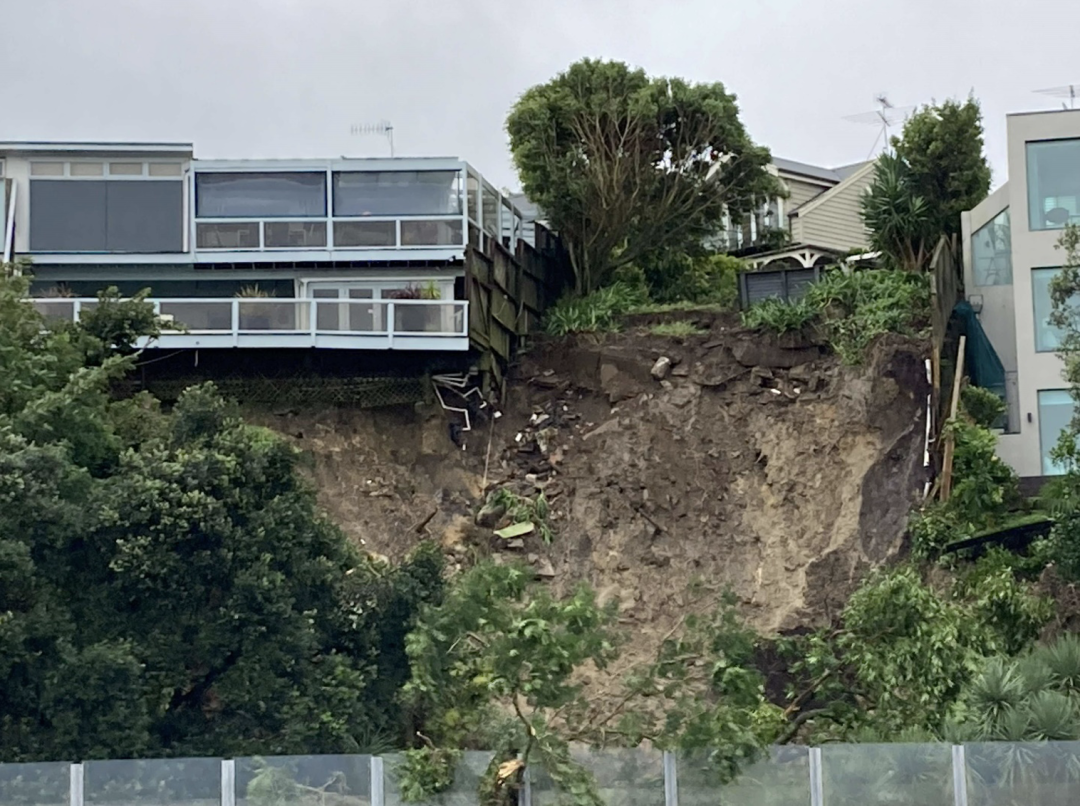
The slip in Auckland’s St Marys Bay worsens. Photo: NZ Herald
Flood losses have left many people exhausted, while insurers are overwhelmed and claim waiting times continue to grow. In their rush to clean up, many people have thrown away damaged belongings without remembering to take photographs.
So how can you minimise losses after floodwater enters your property, and how should you lodge an insurance claim? YIJU New Zealand invited Issac Xu, business development manager at insurance brokerage Aon, to explain.
Issac Xu
Aon insurance brokers
Business development manager
YIJU: What is the current situation, and what types of claims are you receiving most often?
Issac Xu:We received more than 1000 claims on the first day of the flooding. The most common involved submerged cars, cancelled flights and similar issues. House insurance claims often involve floodwater entering homes and contaminating all the carpets and flooring, with internal walls becoming soft and mouldy after soaking. Heavy rain can also cause roof leaks. Other damage falls under contents insurance, such as flooded fridges and other electrical appliances.
YIJU: What should homeowners do to minimise losses after their homes flood?
Issac Xu:Take as many photographs as possible, particularly of floodwater entering your home or car. Evidence is very important and can greatly shorten the wait for a claim to be processed. If you rush into repairs or throw things away without keeping evidence, the insurer may need to send a specialist to inspect the site. With insurers’ workloads rising sharply, it may take at least three to four weeks for someone to inspect. During that time, homeowners may be unable to continue repairs, resulting in further losses.
If appliances have been flooded, remember to unplug them and keep photographs. Electrical items that have been submerged generally need to be written off, and the insurer may simply replace them. For your own safety, do not start a flooded car; have it towed directly to a workshop for assessment.
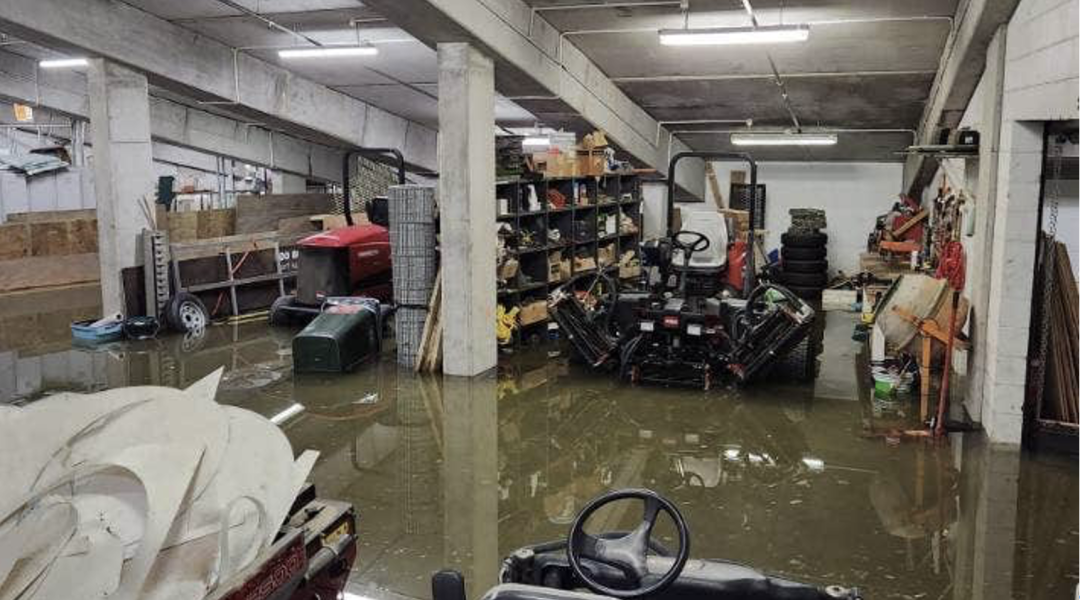
A shed at Eden Park submerged in floodwater. Photo: Eden Park
Homeowners should take emergency measures within their capabilities. If your home needs urgent attention, act immediately—for example, by placing sandbags in front of the house to stop water entering again.
Insurers usually have recommended repairers, but these companies may currently have very long waiting lists, so homeowners are advised to contact repair companies themselves. If carpets are wet, contact a drying company. If they can be dried, the insurer will cover the relevant costs. If they cannot be salvaged, ask the company to provide written confirmation so the insurer can help replace the carpet.
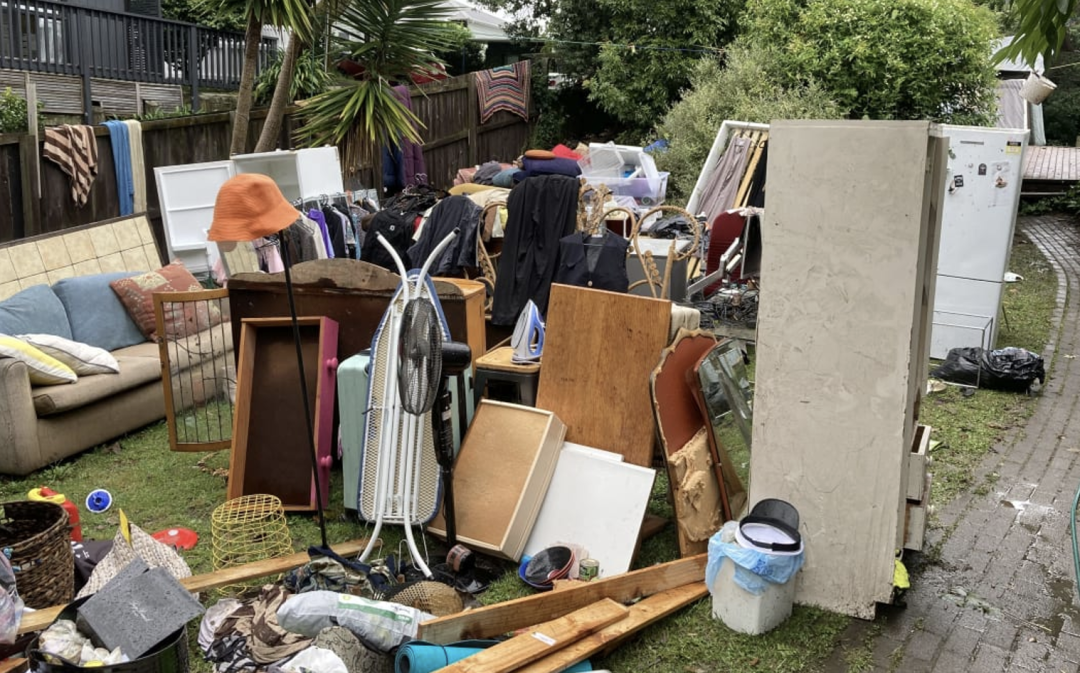
Belongings piled outside a flood-damaged apartment in Gray Lynn.
Photo: RNZ/Leonard Powell
YIJU: What is the insurance claim process for homeowners after a flood?
Issac Xu:If you have insurance directly with a company such as AMI, Tower or AA, you can call them, but waiting times are long. If you bought insurance through a broker, contact them. They will offer advice and send you claim and loss forms. Once you have completed the details, your broker will help lodge the claim. The insurer will then review the evidence and, if everything is in order, should transfer the money promptly. If the evidence is insufficient, the insurer may send someone to inspect the site and provide a loss report to the broker, giving them a clear understanding of how the claim should be handled.
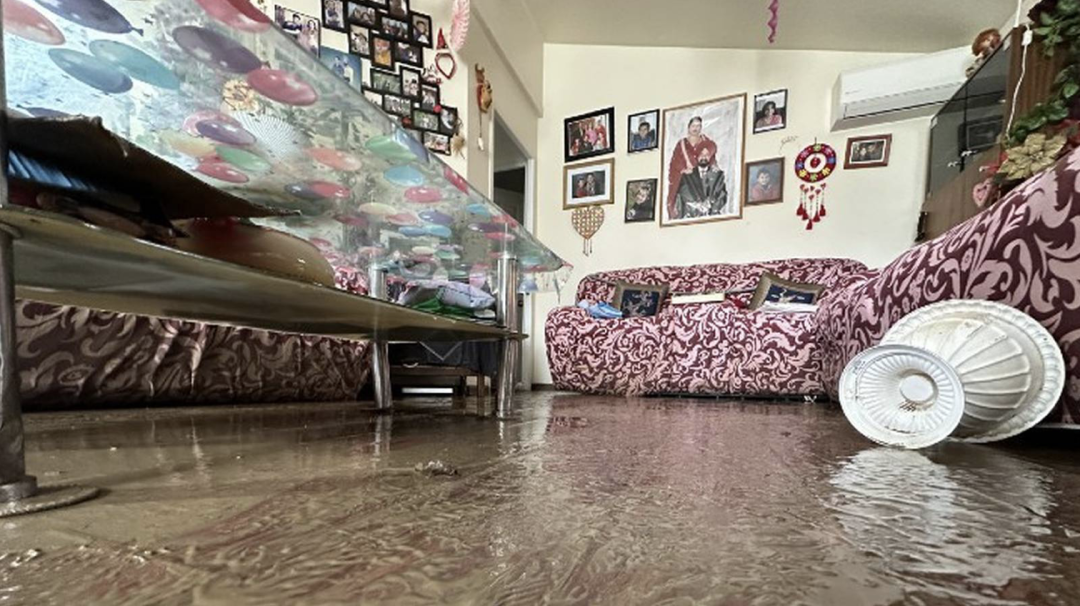
A flood-damaged house in Henderson. Photo: 1 News
YIJU: Insurers may be very busy in the coming days. What should homeowners do while waiting?
Issac Xu:Homeowners can carry out repairs within their capabilities. While waiting, organise all your photographic and video evidence and prepare paperwork such as claim forms. If your evidence is complete when your turn comes and the insurer has no further questions, there will be no need to spend additional time arranging an inspection.
YIJU: How is the scope of insurance cover determined?
Issac Xu:Damage to a home caused by flooding, including carpet damage, is generally covered by house insurance and can be claimed for. Car insurance comes in three forms: comprehensive, third party, and third party, fire and theft. Only comprehensive insurance covers flood damage; the other two do not.
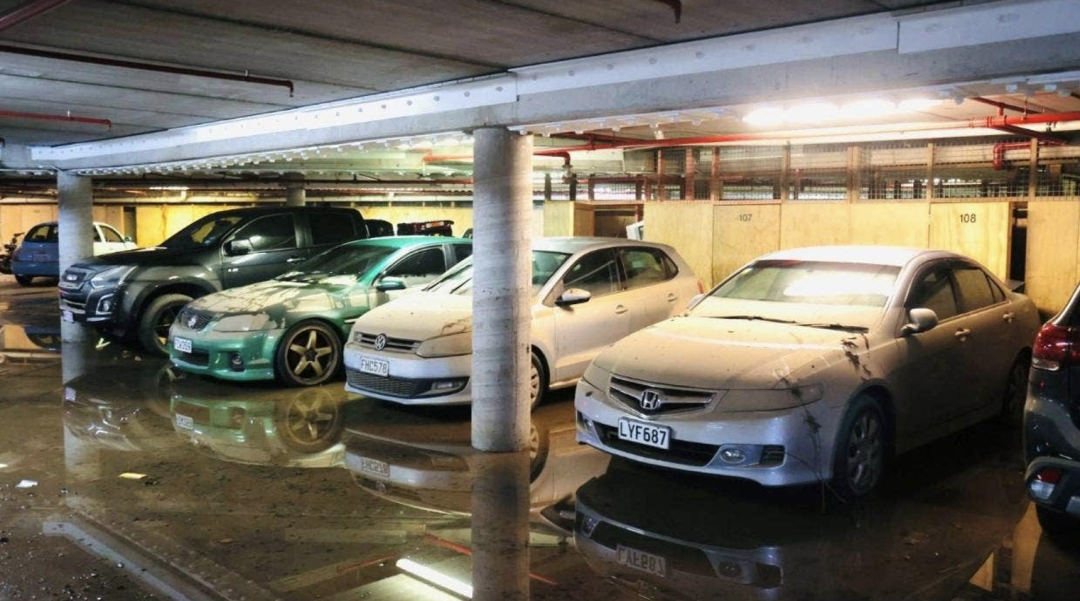
More than 100 cars were flooded in an apartment car park on Ronayne St in Parnell.
Photo: STUFF / DAVID WHITE
{ad}
YIJU: After the floods, will insurers reassess premiums for some areas?
Issac Xu:Every insurer has a different pricing system, which includes information on flood zones or flags high-risk areas such as earthquake or flood zones. Broadly speaking, quotes will certainly differ from those for other areas, but the precise difference depends on each company’s system.
Looking more closely, insurance premiums have several components. The first is the premium charged by the insurer. The second comprises the government’s EQC levy, fire service levy and other government taxes. The third is reinsurance purchased by insurers from global financial groups. The latter two components rise every year, which means your premium may also increase annually.
I still recommend that everyone in New Zealand has insurance. House insurance, for example, costs only two or three thousand New Zealand dollars a year, but a claim after a single natural disaster will certainly exceed that amount. New Zealand has a major advantage: it is the only country in the world whose insurance policies cover natural disasters. When a natural disaster occurs, the New Zealand Government and insurers share the cost of compensation. This policy makes insurers willing to cover natural disasters and enables people to receive compensation for their losses.
People may have little power in the face of natural disasters, but there are always ways to help minimise losses. YIJU New Zealand has also made a video in the hope of helping more people.