
The big question: a brick or weatherboard home? Understand the pros and cons of these claddings for a comfortable home!
When buying a home in New Zealand, your eye is always drawn first to the exterior cladding: is it brick or timber?
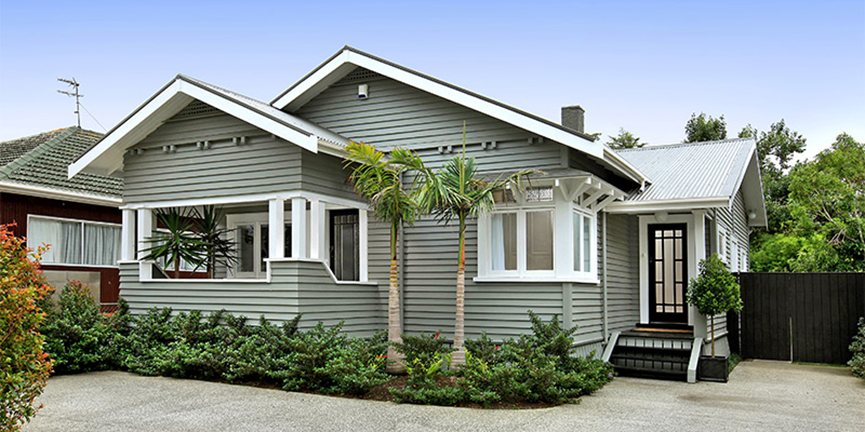
When buying a home in New Zealand, your eye is always drawn first to the exterior cladding: is it brick or timber?
Because of New Zealand's distinctive geography and climate, exterior cladding is not as straightforward as we might imagine. Understanding the materials is essential to avoiding worries down the track. After all, we have already spent so very much on the house.

Today, YIJU takes an in-depth look at two of the most popular exterior claddings currently used in New Zealand:
brick and weatherboard
Should you choose brick or weatherboard cladding? The choice involves more than appearance. It also depends on the type of house, the cost of the cladding and the property's location.
Brick
In fact, the brick houses we see are usually not built entirely from brick. They differ from the red clay bricks used to support house structures in China. In New Zealand, brick is simply an exterior cladding material: a brick veneer covers a timber frame. Since the 20th century, traditional New Zealand homes have commonly used weatherboard or brick as exterior cladding.
{ad}
Brick has been rated the Chinese community's favourite cladding material for many years, mainly for the following advantages:
- Strong and sturdy – resists corrosion and deterioration
- Retains warmth – keeps the home from getting too cold in winter
- Fewer leaks – keeps your home from flooding
- Good sound insulation – blocks out noisy neighbours and lets you host a party without worrying about disturbing others
- Easy to look after – needs less frequent maintenance, saving time and effort
- Includes a cavity system – easy to repair and maintain, saving time, effort and money

However, brick also has an obvious weakness: earthquakes. Many parts of New Zealand experience frequent earthquakes, and almost every homeowner in Christchurch has encountered cracks in their house. If brick cladding shifts or fractures during an earthquake, it can be very difficult to repair. Similarly, settlement of the foundations can easily cause cracks in brick cladding.
Cracks in building materials after an earthquake
Although brick is hard, it is also porous, allowing moisture to pass through tiny holes. Without adequate drainage, cracks may develop over time and cause leaks. Moisture can seep into the walls of the home, leading to mould growth, so sealing cracks in brickwork promptly with masonry sealant is recommended.
Land is already precious when buying a home, but brick cladding requires a relatively large cavity between the wall and the bricks. This takes up more space, using part of both the garden and the interior floor area. Older brick homes have limited scope for future extensions, while anyone building from scratch needs to plan ahead.
Weather Board Weatherboard
Weatherboards are made from timber strips of different widths and compressed wood or plastic. Some are made from compressed wood fibres, others from newer composite materials, and some are even metal. This cladding is easy to recognise: dozens of boards overlap along the house frame, running horizontally or vertically. The boards are then painted to seal the nails and gaps, creating a tidy, attractive exterior.
Weatherboards offer excellent value for money and have many advantages:
- Low cost – cladding the house does not place too much strain on the budget
- Good thermal insulation – air between the boards helps regulate temperature
- Lightweight – less worry about being crushed in an earthquake
- Easy to install – saves time and effort
- Easy to repair – loose nails or rotten timber to patch? Repairs take very little time
- Attractive appearance – paint them your favourite colour to create your dream home
However, weatherboards can develop mould and warp in damp conditions, and their fire resistance can deteriorate. Without regular maintenance, they can become troublesome. Compared with brick, weatherboards are also less durable, more vulnerable to extreme weather and less effective at insulating against sound.
Generally, older homes with weatherboard cladding need repainting every 5 years. First wash the exterior, then sand off the existing paint; paint does not need scraping off if it has not cracked. Wash it again, fill gaps and cracks with filler, apply a coat of primer, then two coats of exterior paint. If you are handy, you can buy the paint and do the repairs yourself.
Some Chinese homeowners say brick houses are less prone to damage but expensive to repair when something goes wrong, while weatherboard homes develop problems more easily but are inexpensive to fix. The total cost may end up being very similar. Choosing between brick and weatherboard ultimately depends on personal taste and the characteristics of the site. Which would you choose?