
What should you do as a homeowner if your property has been on the market for a long time without selling?
Properties spending a long time on the market are not uncommon, whether it is the busy selling season or a quieter period.
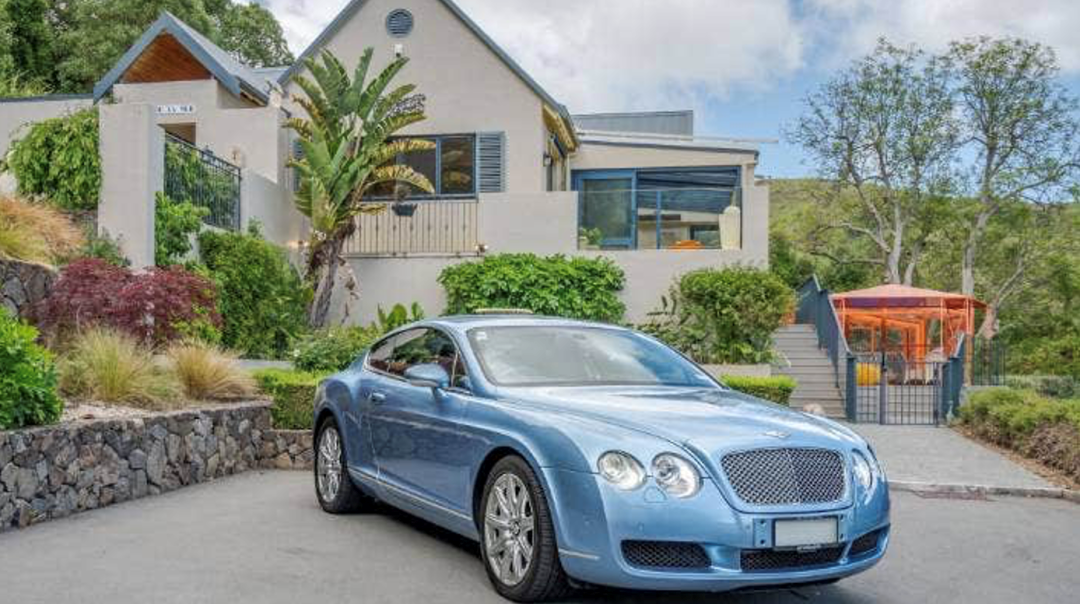
Properties spending a long time on the market are not uncommon, whether it is the busy selling season or a quieter period. For many sellers, however, the problem appears to have worsened over the past year as house prices have continued to fall. According to the latest data released by CoreLogic, over the past 12 months, the median selling time in Auckland was 33 days. In the capital, Wellington, properties spent an average of 28 days on the market, compared with 23 days in Christchurch.
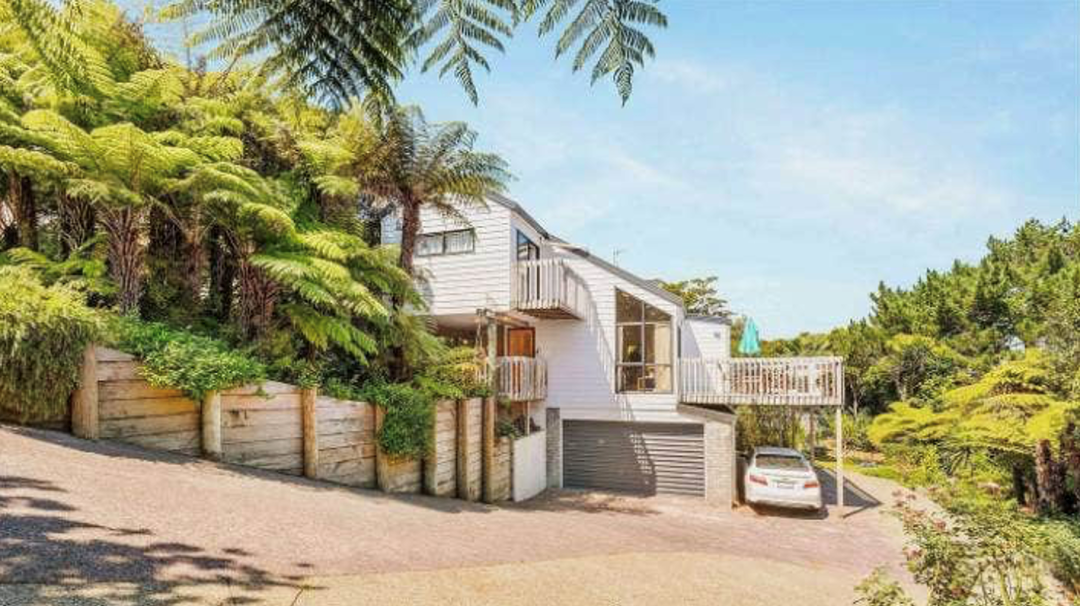
This property on Taioma Crescent on Auckland’s Te Atatū Peninsula took 12 months to sell. The Harcourts agent attributed this to several factors, including buyers’ expectations of lower prices and shortcomings in the property itself.
{ad}
Nicki Cruickshank, a director of Wellington’s Tommy’s Real Estate, says the main reason many properties take longer to sell is that buyers hold off in a falling market while sellers insist on their desired price. Sellers also need to understand that if a house remains on the market for 12 months while prices are falling, average prices may drop 20% during that time. CoreLogic data shows that over the past 1 year, Wellington’s median house price fell 20%, Auckland’s fell 10–15%, and Christchurch’s declined by just 2.9%.
Cruickshank stresses that real estate agents will do everything they can to help owners sell quickly, but success ultimately depends on the owner’s cooperation and the market’s response.
For example, when an agent takes on a listing, the owner is entitled to ask them to market it at the price they have in mind. But if 30 to 40 groups have attended open homes without anyone making an offer, the property may be difficult to sell quickly. The agent may recommend lowering the asking price, withdrawing it from the market for a while or even renting it out. These options, however, do not meet the expectations of most owners who are keen to sell promptly.
The situation is different in Wellington’s high-end market, covering properties worth more than NZ$3,000,000. There may be no more than 20 to 30 local buyers in this price bracket, which may mean greater participation by overseas buyers is needed.
Homes beneath high-voltage power lines are difficult to sell
Rosie Deans and Daniel Deans, agents at Auckland’s Harcourts Northwest Realty, say they have noticed many developers disappearing from the market over the past year, while listed properties are taking longer to sell. This is particularly evident on Te Atatū Peninsula. The large area, close to the city and harbour, has one of Auckland’s highest concentrations of new housing developments. Homes are often difficult to sell because they sit right beside these large projects.
Rosie Deans says there are many reasons a listed property may struggle to sell. Besides an excessive asking price, there may be building compliance issues with the council, making bank finance almost impossible for most buyers to obtain. The property may also be in an undesirable location, such as beneath high-voltage power lines or near a large development.
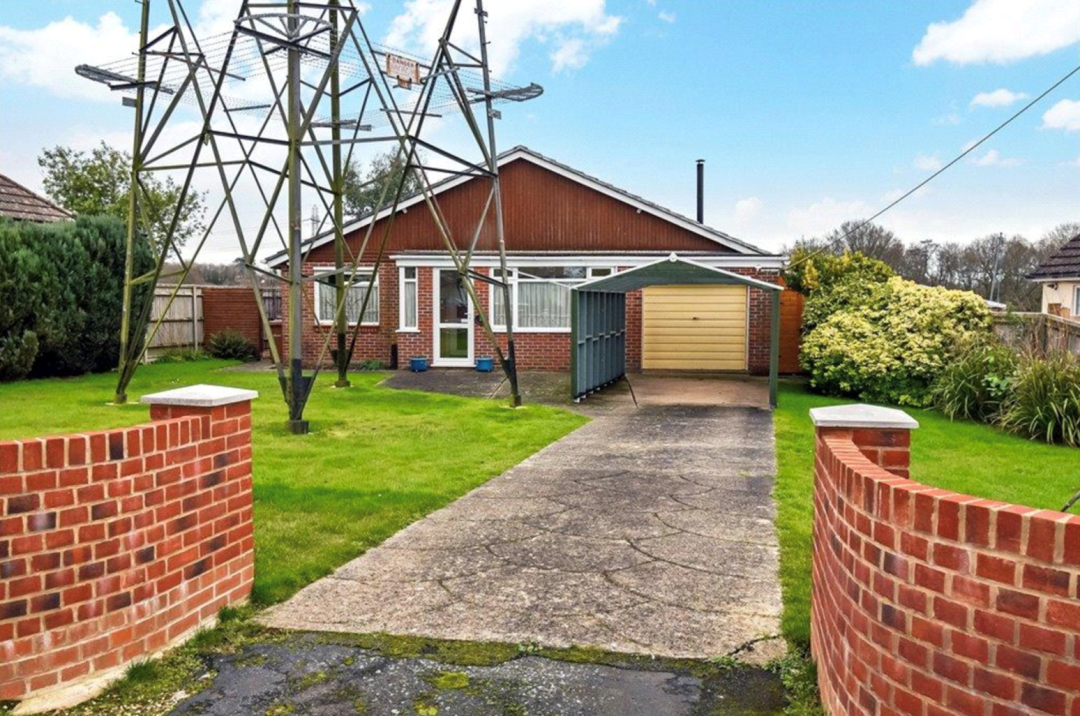
This three-bedroom home in Hamilton’s Melville has been listed on Trade Me for a long time. First listed on 23 August 2018, it is being sold privately with an asking price of NZ$609,000.
Daniel Deans says that when a property has remained unsold for a long time, the real estate agency needs to discuss an appropriate action plan with the seller. Where necessary, it should research the market and analyse recent sales of comparable properties in the area before adjusting its sales strategy. He believes the final plan should reflect the property’s circumstances and buyers’ preferences.
Some owners are in no hurry while waiting for a sale. They simply wait patiently and use the property as a holiday home. In Canterbury, a house in Akaroa recently sold after ten years on the market. Listing agent Chris Mangels says the owner, an ‘international money market trader working in Australia’, was not rushing to sell and used it as a holiday home throughout the selling period. Each year, he happily brought his family to New Zealand for several weeks or even 4 or 5 months. Only in recent years, as the family’s visits became shorter and less frequent, did he finally decide to sell it outright.