
Former immigration officer urges Chinese employers to check their compliance now: accredited employer audits are here!
Immigration New Zealand (INZ) has begun auditing employers in the accredited employer system. Around 10–15% of all registered employers will be audited

Immigration New Zealand begins auditing accredited employers
Immigration New Zealand (INZ) has begun auditing employers in the accredited employer system. Around 10–15% of all registered employers will be audited. INZ has previously indicated that it will focus on eliminating migrant exploitation and ensuring business owners meet employment standards, including keeping records of hours worked, leave and employee entitlements.
The new accredited employer system came into effect in May 2022. A year on, it is still working well, and the vast majority of employers have received immigration approval to employ temporary visa holders.
The process has three steps:
First, INZ determines whether the employer is a business suitable for accreditation.
Next, INZ assesses the viability of the job.
Finally, it assesses the actual candidate.

Overall, my experience has been positive. Once I became familiar with the new system, I found it very clear and arguably much faster than the old one. The biggest issue is probably minor glitches in the online system, but substantial improvements are being made every month. I commend INZ for its hard work.
Next come the dreaded employer audits. Let’s face it: nobody likes being audited, but business owners agreed to audits when applying for employer accreditation. Most businesses seem to have put this out of their minds for now, but as INZ has indicated, audits really are coming.
{ad}
What should you look out for?
This is actually an excellent opportunity to organise your business’s administration and operations. Does your business have a designated internal manager? Is that you, or an employee you trust? If that employee finds a new job, who will answer the phone when INZ calls?
In my experience, most businesses want to comply. However, amid the commercial pressures of the cost-of-living crisis, most may be too busy trying to stay profitable to devote time and energy to tasks that do not generate revenue. Ultimately, though, this can damage your future profits.
Our advice is to get a personal trainer—figuratively speaking, one for your business. Usually, only a small shift in mindset is needed, although sometimes a complete overhaul may be necessary. You certainly do not want INZ to uncover problems that result in your accreditation being revoked, followed by your migrant employees’ work visas being cancelled and those employees being forced to find new jobs.
Practical tips
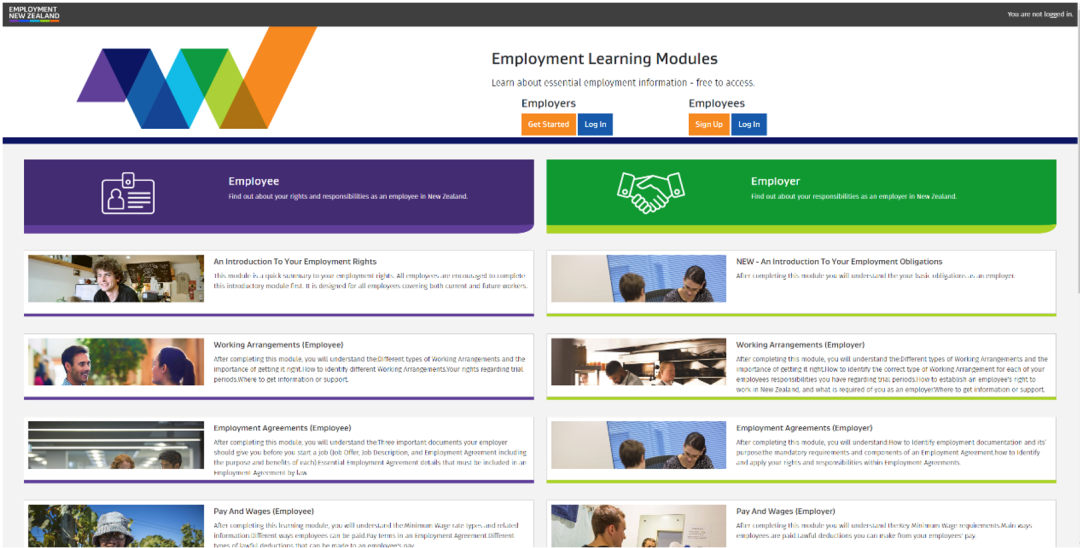
If you are looking for practical tips, we suggest starting with the excellent employer courses provided by Employment New Zealand. They can refresh your understanding of your responsibilities as a New Zealand employer. In fact, all accredited businesses agreed to complete these courses, so if you have not yet done so, you will need to complete them as part of the audit requirements.
Related link (copy into your browser to open): https://employment.elearning.ac.nz/
Other points to consider:
Time and wage records—do you have them? How are they maintained? Do you use an Excel spreadsheet or something more sophisticated?
Payslips—employers should provide these whether or not employees request them.
Employment agreements—these should be reviewed at least annually for minor updates or changes to an employee’s role.
Business finances—you may know the most about this area, but beware of the pitfalls of trading while insolvent.

About the expert
Sonny Lam
Senior immigration lawyer, Queen City Law
Former immigration officer, Immigration New Zealand
Sonny Lam is a consultant lawyer at Queen City Law. He has worked in employment and immigration since the last global financial crisis. He began in employment disputes before becoming an immigration officer at the Ministry of Business, Innovation and Employment, returning to private practice in 2015. He specialises in niche areas of immigration and employment work. His clients range from major international businesses with New Zealand subsidiaries to individual applicants seeking to settle in New Zealand.