
Alarming! Are investors in this part of Auckland selling up and leaving the market under mounting pressure?
Several real estate agents have recently reported that high interest rates and hefty tax bills are leaving increasing numbers of South Auckland property investors short of funds, prompting them to sell their investment properties as soon as possible

Several real estate agents have recently reported that high interest rates and hefty tax bills are leaving increasing numbers of South Auckland property investors short of funds. They are deciding to sell their investment properties as soon as possible to avoid the risk of an eventual mortgagee sale.
{ad}
Alex Dunn, a real estate agent with Harcourt Papakura, said one of his clients was selling three properties, including a three-bedroom home at 5 O’connell Street in Manurewa.
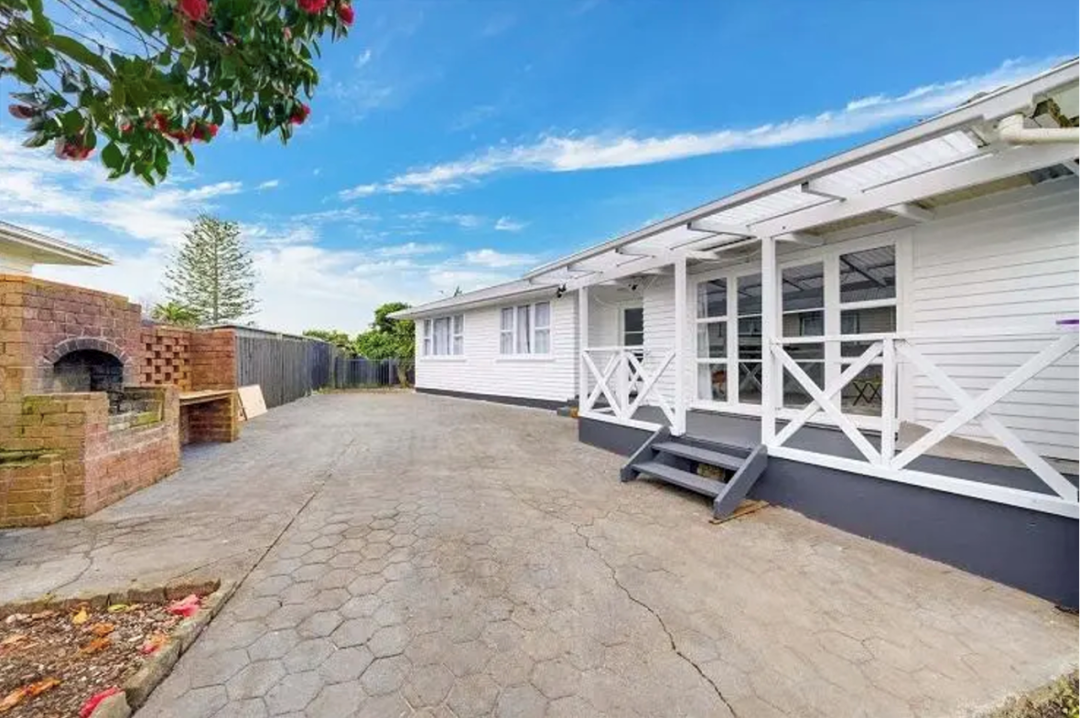
The owner of 5 O’connell Street in Manurewa is under financial pressure
and needs to sell their investment property
The property listing “pleads”: “Our landlord is at breaking point and must sell this house. It was renovated with plans to live here after getting married, but circumstances have overtaken those plans and the owner’s finances are now stretched to the limit. Please make an offer to help ease the owner’s financial pressure!”
Dunn said rising interest rates and insufficient rental income had put the investor under unprecedented financial pressure, particularly after moving from a low fixed rate to a higher one. He was not the only owner Dunn had recently encountered who was preparing to cash out. Dunn also had several other investment properties being readied for sale. Their owners were either feeling financial pressure or believed there was no longer any reason to hold on, so had decided to sell.
He had also found that some owners were considering holding on until after the October general election before making a decision, hoping a new government would improve the situation. For example, one of National’s election pledges was to restore tax relief for rental properties. However, there was still no certainty about whether National would take office or when the policy would be implemented.

Most investment properties being sold are reportedly standalone three- or four-bedroom homes with a single bathroom, in parts of South Auckland with larger sections, priced between NZ$750,000–1,000,000.
Harsh Kathuria, a salesperson with Harcourt Papatoetoe, said he had helped three different clients sell three investment properties in South Auckland last month, with another two rental properties due to go on the market next week.
Kathuria said high interest rates were the biggest challenge facing owners. With the new financial year approaching, they faced very large property-related tax bills. Most borrowers’ low fixed rates were about to expire, so they were trying to sell before facing enormous repayment pressure.
Kathuria explained that investors would usually try to sell one property first, tending to choose one requiring substantial spending on mortgage repayments and maintenance. He said investors were pragmatic: they would try cashing out a property to test the market. If they could achieve their expected price, they would sell, then decide their next move based on the market response.
Charlie Brothers, a real estate agent with Ray White Manukau, said some investment properties and older owner-occupied homes were being snapped up by buyers seeking to renovate these homes in poor condition and resell them for a profit. Brothers believed some investors had owned their properties for a while and now had an opportunity to sell. If a property had been renovated and was in good condition, buyers would find it easier to obtain bank lending. He had found that some investors were selling because they had surplus assets and wanted to put more money into their businesses for higher returns, or were planning to move overseas.
Angela Webb, a Bayleys salesperson in Canterbury, said she had spent the past year and a half working with investors to identify which properties in their portfolios were best suited to sale in the current market. One client had selected 14 properties from a large portfolio to sell. Webb had found strong demand for rentals that could be converted into family homes. Landlords would ask tenants to clean, arrange necessary maintenance and renovate the properties to make them attractive and tidy, drawing more interest from owner-occupiers.
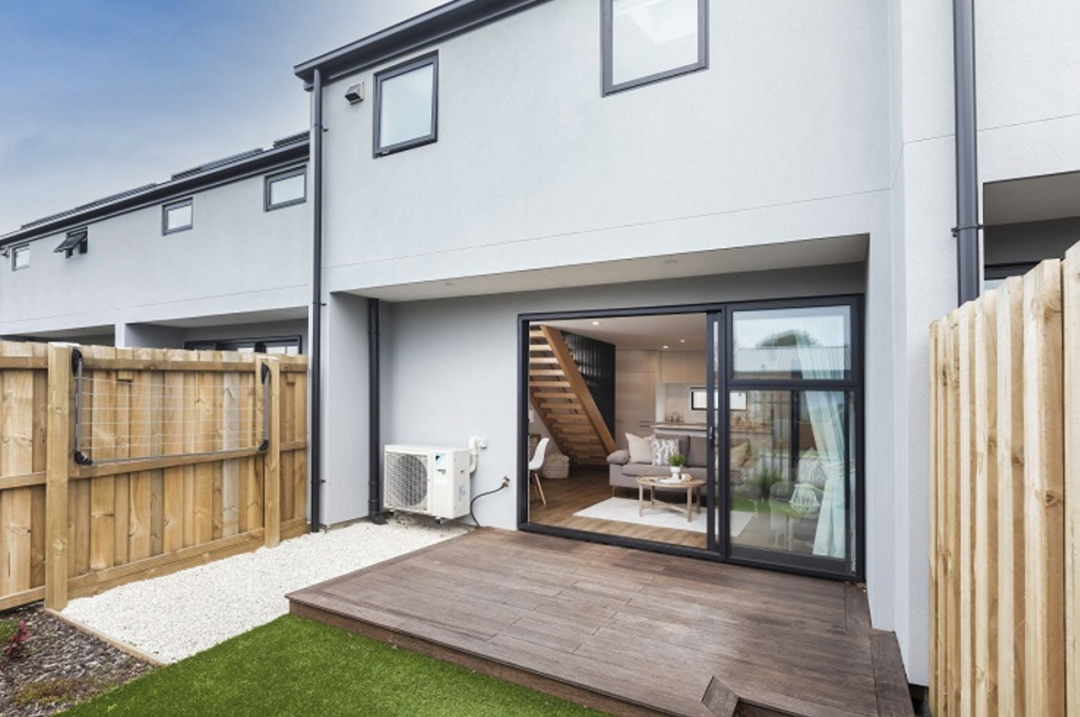
A new townhouse on Siddal Place in Richmond has just been sold off cheaply by its owner
She said owners had traditionally sold properties with tenants in place to other investors. However, rental returns were now so low that investors were no longer interested in these standalone three-bedroom homes. For example, a two-bedroom home on Fairfield Avenue in Addington, which had always been a rental, had now been bought by a first-home buyer for NZ$400,000. Another investor had bought a new townhouse on Siddal Place in Richmond in 2021 for NZ$479,000. It had just sold to another first-home buyer for 469,000. Webb believed that, as interest rates rose, returns on properties bought off the plans often fell short of investors’ expectations, leading them to accept a small loss rather than continue holding them.

CoreLogic Chief economist Kelvin Davidson
CoreLogic chief economist Kelvin Davidson said there was no concrete evidence yet of investors selling properties en masse, although this could happen in certain areas. With interest rates having risen to around 7% and yields averaging just 3%, he would not be surprised to see investors leave the market collectively.
However, many owners might be waiting for their bright-line period to end so they would not have to pay income tax. Others were continuing to wait because they did not want to sell below peak-market prices. He believed many investors also appeared to be waiting to see whether a new governing party would take office later this year. For the average investor, such a change would not necessarily turn negative cash flow positive immediately, but it would help improve investor sentiment and bring more investors back to the market.