
Confirmed! Reserve Bank holds OCR steady, but mortgage borrowers should not celebrate too soon, because…
In its latest Monetary Policy Statement, released at two this afternoon, the Reserve Bank of New Zealand said it would hold the Official Cash Rate (OCR) at 5.5%, but did not rule out further rate rises

In its latest Monetary Policy Statement, released at two this afternoon, the Reserve Bank of New Zealand said it would hold the Official Cash Rate (OCR) at 5.5%, but did not rule out further rate rises.
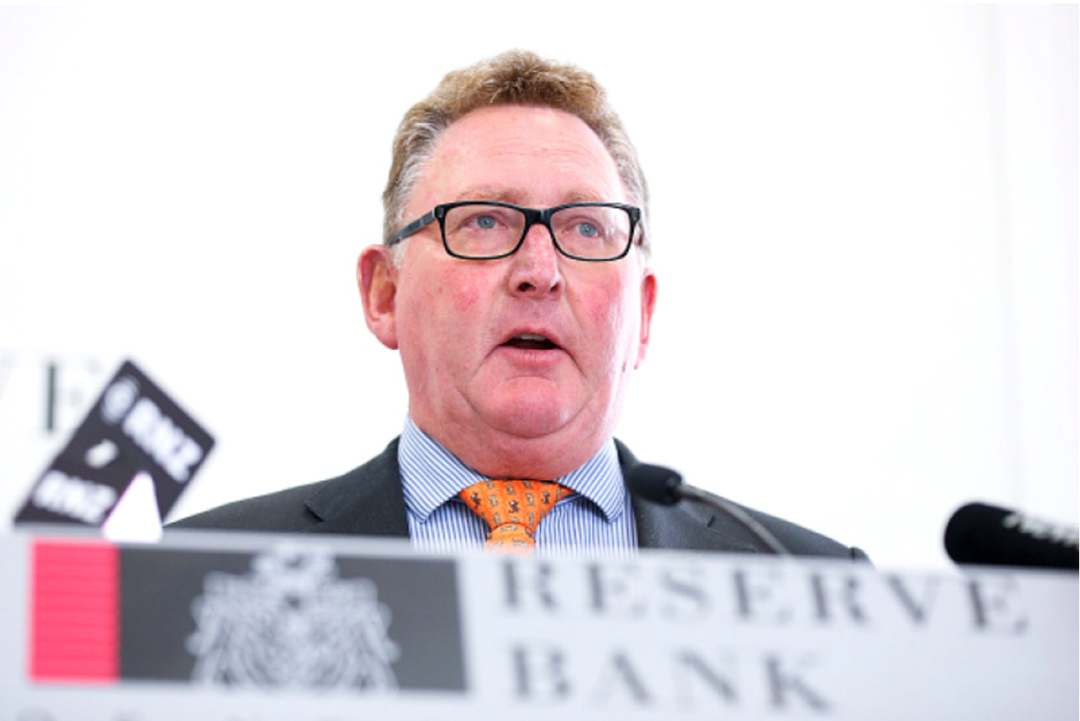
Reserve Bank of New Zealand Governor Adrian Orr released this year's third Monetary Policy Statement at 2h this afternoon
Many had already predicted that the OCR would remain unchanged, so attention focused more closely on the Reserve Bank's outlook. Several key points in the Monetary Policy Statement's forecasts warrant attention: A rate rise in the fourth quarter is unlikely; New Zealand's economy is very likely to enter recession in the third quarter; interest rates are likely to remain high for some time; and economic developments are broadly in line with the Reserve Bank's expectations.
Adrian Orr said: “The Committee agreed that interest rates need to remain restrictive for the foreseeable future to ensure annual consumer price inflation returns to the 1% to 3% target range, while supporting maximum sustainable employment.”
The Reserve Bank of New Zealand did not rule out further monetary policy tightening, noting: “Expectations for next year's OCR have risen, and compared with the previous statement in May, the new forecasts envisage smaller OCR cuts in 2024.” The Governor also noted that, because of the lagged effects of earlier rate rises, borrowers' average mortgage rate was expected to rise to 6% by early next year.
A challenging economic outlook
Today's Monetary Policy Statement is testing the nerves of both the Reserve Bank and countless borrowers about to refix their mortgages. Earlier this month, Westpac pushed its forecast rate rise back to November, substantially easing borrowers' concerns that the Reserve Bank would raise the OCR this week. However, BNZ head of research Stephen Toplis said recent oil price increases would heighten concerns about persistently high domestic inflationary pressures.
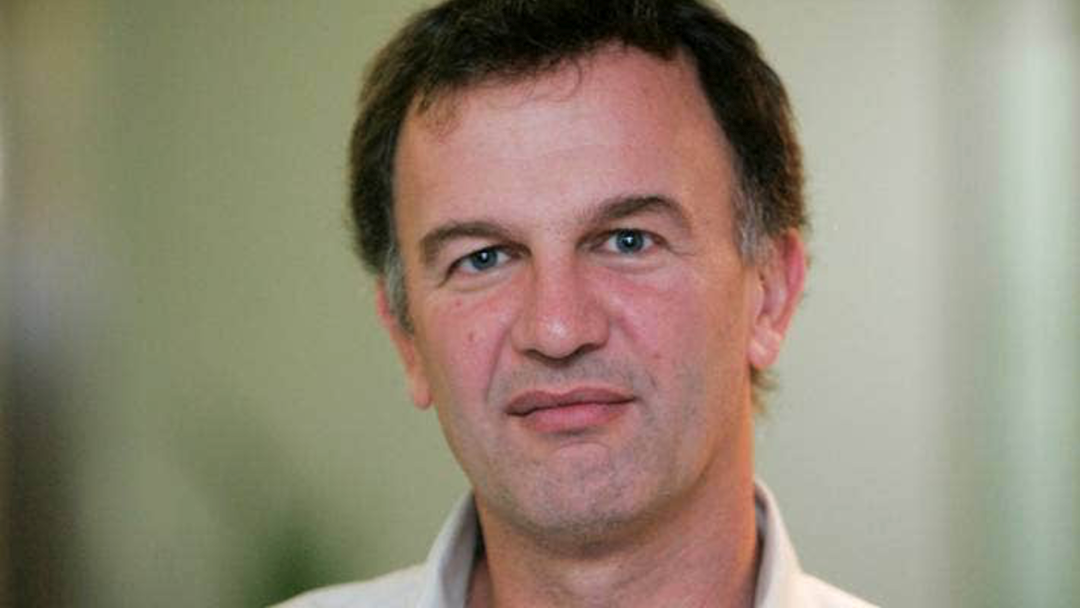
BNZ head of research Stephen Toplis
On Tuesday, international crude oil futures rose to US$86.31 a barrel (NZ$144.33), up from this year's low of US$70.06. Meanwhile, the New Zealand dollar has fallen below 60 US cents, putting greater upward pressure on fuel and other import prices. Research by economic consultancy Infometrics indicates that the economy grew by 0.7% in the second quarter compared with the first, signalling a rebound from technical recession. Nevertheless, Toplis said a range of indicators of economic activity, including recent job vacancy figures from recruitment website Seek and economic survey findings from BusinessNZ, suggested conditions could deteriorate further.
Seek's employment report showed that, after seasonal adjustment, job advertisements on its platform fell by 3.9% in July, the fourth consecutive monthly decline. Job advertisements were down by as much as 26% compared with the same period last year. BusinessNZ's services sector survey also showed a sharp decline in business demand in July. Against this backdrop, Toplis believes that although the OCR is widely considered to have peaked, recent economic developments have made the interest rate outlook less certain.
OCR holding steady does not mean retail interest rates will follow suit
The Reserve Bank of New Zealand says the current rate of 5.5% marks the peak of this cycle and expects the OCR to remain unchanged for some time. Does that mean commercial banks' retail interest rates will also remain unchanged?

Infometrics chief executive Brad Olsen
Infometrics chief executive Brad Olsen said the situation was not that simple: factors other than the OCR also influence the retail lending rates borrowers pay.
Olsen explained that every New Zealand commercial bank must pay the cash rate to transact through the Reserve Bank's settlement accounts, making this a direct cost. However, if the US Federal Reserve raises interest rates independently, it will alter swap rates and international interest rate trends involving other central banks. If local banks need to source funding overseas, the Federal Reserve and other central banks will influence their borrowing costs. In other words, even if the Reserve Bank of New Zealand repeatedly says it does not need to raise rates further, it cannot prevent the Federal Reserve from doing so.
{ad}
ANZ senior economist Miles Workman agreed, saying the United States is the world's largest financial market and New Zealand's long-term interest rates generally move in the same direction as the Federal Reserve's rates, although not always at a 1:1 ratio. The extent of the movement depends on cash rate differentials and other factors. The United States is also not the only benchmark market for New Zealand.
Workman believes competition between banks is another factor that could drive interest rate changes. As banks compete for lending market share, they may choose particular rates on which to compete. For example, most commercial banks currently offer one-year fixed mortgage rates of around 7.19% to 7.25%, while Kiwibank's rate is just 6.99%.