
Could the foreign buyer ban change? With mortgage payments twice the rent, do owner-occupiers still need to buy?
As the election draws closer, political parties are gradually releasing their policies. On 30 August, National announced several eye-catching proposals
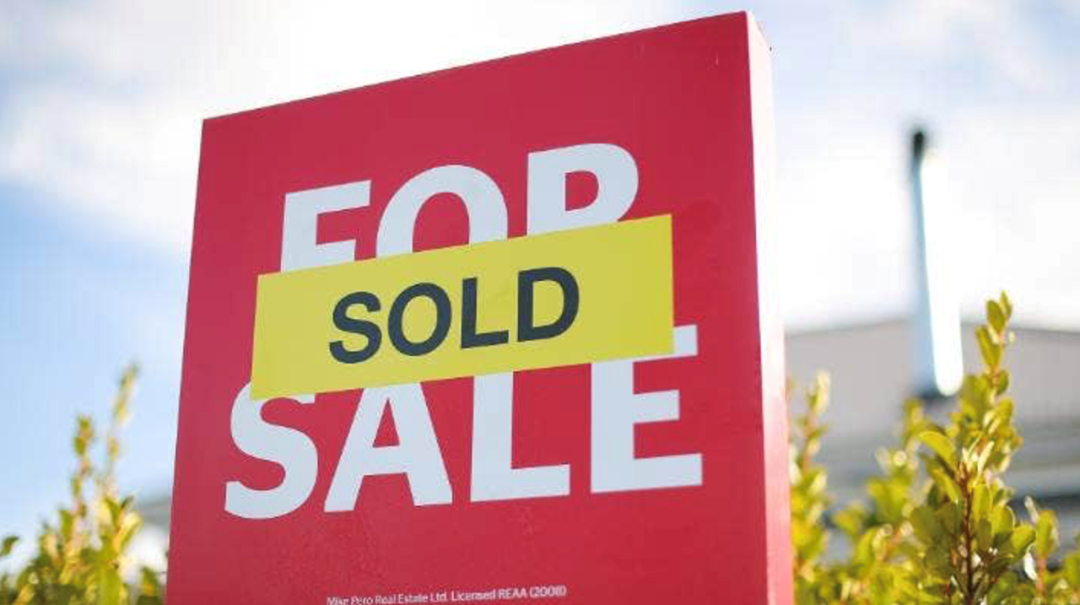
National: if elected, we will allow foreign buyers to purchase these properties
As the election draws closer, political parties are gradually releasing their policies. On 30 August, National announced several eye-catching proposals covering issues of interest to many Chinese readers, including the overseas buyer ban and tax relief.
National proposed a total of NZ$14,600,000,000 in tax relief aimed at easing the burden on the middle class, with the main changes involving tax thresholds:
- The $14,000 tax threshold would rise to $15,600
- The $48,000 tax threshold would rise to $53,500
- The $70,000 tax threshold would rise to $78,100
The policy is expected to increase average fortnightly income by NZ$250 for families with children and NZ$100 for households without children.
With tax cuts proposed, National must also balance spending and find ways to fill the funding gap. It therefore plans to revisit the foreign buyer ban, expecting this to generate NZ$700,000,000 in government revenue. Under National's proposed rules, if elected, it would allow foreign buyers to purchase properties worth more than two million New Zealand dollars, but impose a 15% tax on those properties. The existing ban would remain for properties worth less than two million New Zealand dollars.
Do owner-occupiers still need to buy a home?
CoreLogic's latest New Zealand Housing Affordability Report shows that repayments on an 80% mortgage for a property at the national average price now account for 49% of an ordinary household's average annual income, down from a peak of 53% late last year. Meanwhile, the average rent paid by an ordinary renting household accounts for 21.8% of its annual income.
The data suggests renters in Auckland face much less financial pressure than homebuyers. Rent accounts for 19% of renters' household income, while average mortgage payments take a higher 55% of buyers' household income. In Tauranga, financial pressure is even more pronounced for both groups, with payments accounting for 29% and 59% of household income respectively.
CoreLogic chief property economist Kelvin Davidson said that, despite recent improvements in housing affordability, having almost half of household income swallowed by mortgage interest was difficult for many ordinary families to sustain compared with long-term averages. Although mortgage rates appeared likely to fall over the next year or two, the reality was that rate cuts could not ease the problem in the short term.
For renters, the proportion of income spent on rent increased by only 1% between 2004 and 2023. Davidson added that income growth could also help tenants fully offset the pressure of rising rents.
Christchurch has long been widely regarded as New Zealand's most affordable main centre for both buying and renting. However, with its house prices and rents continuing to rise while those in other cities fall, Christchurch no longer has an advantage over Wellington, Auckland and Hamilton. Average rent in Christchurch currently accounts for 21% of average income, compared with 18% in Wellington. Average mortgage repayments account for 43% of average income in Christchurch, compared with 42% in Wellington.
{ad}
Infometrics chief executive Brad Olsen said the past few years had changed people's belief that house prices would always rise. The figures showed that mortgage servicing costs had increased over time. 15 years ago, renters spent 20.4% of household income on rent, and the proportion had remained below that level. The more obvious difference was the continuing rise in mortgage repayments as a share of household income over the past decade or so: from 45.3% 15 years ago to 31% 10 years ago, then 38.5% 5 years ago, and 49% now.
The question facing prospective owner-occupiers, then, is whether they want to spend 38% of average monthly income on mortgage repayments or 21% on rent. How does that 17% income difference weigh against the strong desire to own a home? Davidson also said expectations of an imminent house price recovery would substantially increase pressure on buyers, with relief potentially coming only when interest rates fell.
Housing remains unaffordable despite substantial price falls
New Zealand's average house price is currently 7.2 times ordinary household income. Although below 7.8 times six months ago and 8.8 times during the housing boom, it remains above the long-term average of 6.1 times. Among New Zealand cities, Tauranga has the highest house-price-to-income ratio at 9.5, followed by Auckland, Dunedin and Hamilton.
Nationally, using average household incomes across cities, saving a 15% mortgage deposit takes 9.6 years. In Auckland it takes 10.7 years, and in Tauranga longer still, at 12.6 years. Davidson said plainly that, even if incomes continued to rise and mortgage rates gradually fell, housing affordability would remain a key issue affecting New Zealanders' lives over the coming years. To some extent, it would also constrain house price growth over the medium term.
Finally, we have summarised the advantages and disadvantages of buying and renting:
Advantages of buying:
- A sense of belonging
- Greater autonomy
- An investment asset with the potential to retain and increase its value
- No concerns about rent increases
Disadvantages of buying:
- Maintenance costs, council rates and insurance premiums rise each year
- Monthly repayment pressure, increased debt and a greater financial burden
- Exposure to the risk of falling house prices
- Properties with problems can be difficult to resell
Advantages of renting:
- A wide range of choices
- A smaller financial burden and lower costs
- Flexibility over where to live
Disadvantages of renting:
- Concern about landlords raising the rent
- Having to move when the tenancy agreement expires
- Rent payments do not build an asset