
Construction company failures are mounting, but the biggest challenge builders face is…
The wave of construction company failures is intensifying
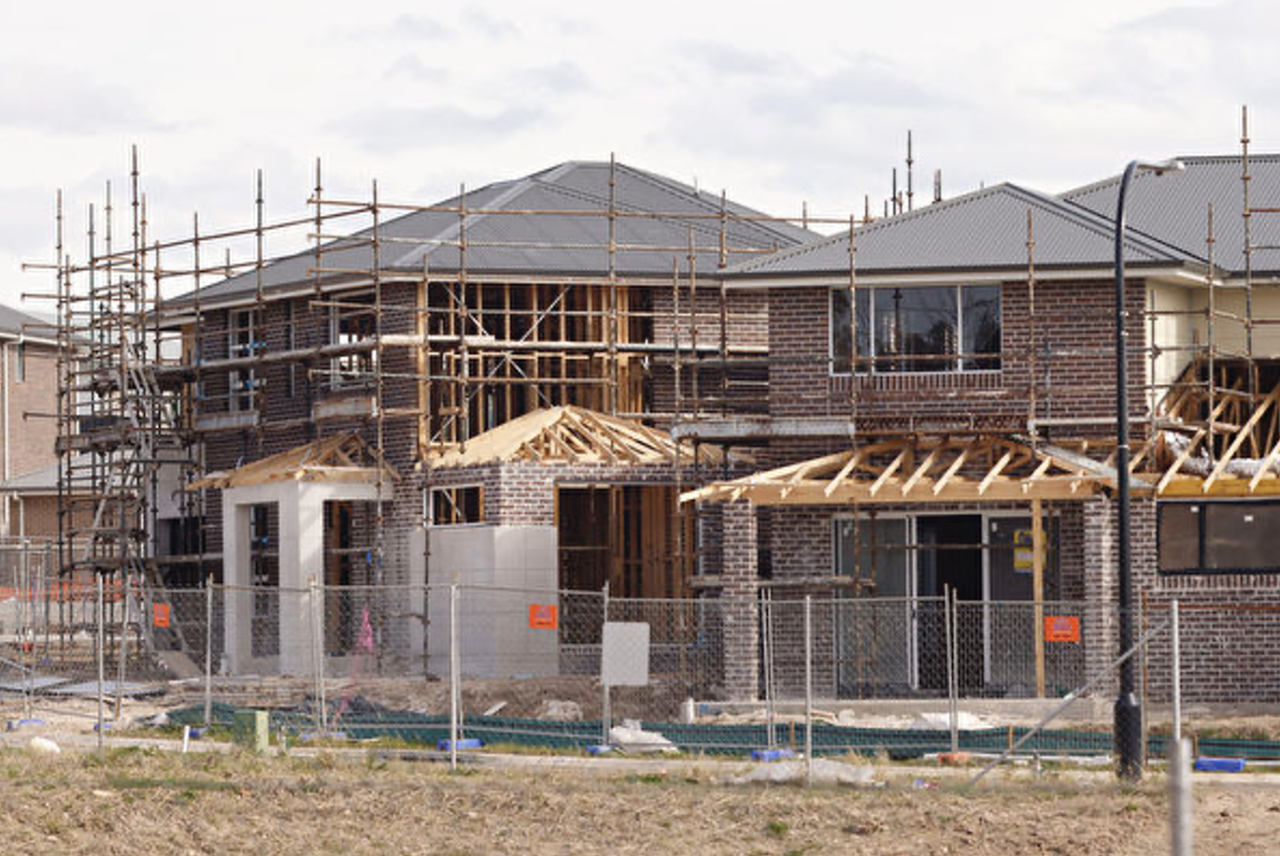
Since the pandemic began, New Zealand’s construction industry has suffered repeated blows. Alongside the pandemic itself, it has faced shortages and rising prices for building materials, as well as severe labour shortages, leaving many companies heavily in debt. Reports of builders going under have been relentless this year, including many large construction companies.
For example, reports emerged in April that AH Construction Service Ltd had entered liquidation on 7 February following financial difficulties. The company mainly undertook earthworks, construction and renovation projects and employed more than 120 people. Subsequently, 350 vehicles and items of equipment belonging to the company were put up for public auction, including excavators, trucks, road rollers and staff vehicles.
{ad}
According to the annual State of the Sector survey released by Master Builders, half of builders have seen their workloads decline, while around 66% of respondents believe the recession is not over, leaving those in the industry worried about its future. The latest figures from Stats NZ show that new dwelling consents for the period from month 4 to June fell 20% compared with the same period last year, reaching their lowest level since the second quarter of 2020.
Master Builders chief executive David Kelly said construction companies’ resilience had been tested for a long time, forcing them to work hard to find enough market demand to keep operating. The past year had been extremely difficult for the industry, prompting caution. To survive, many builders had cut operating and administrative costs and stepped up marketing to find new sources of business, such as renovation projects, and adapt to the new business environment.

Master Builders Chief executive David Kelly
More than 1000 builders and homeowners who had built homes over the past two years reportedly took part in the survey. When respondents were asked about the biggest challenges their companies currently faced, 88% cited rising construction costs, while 83% also identified financing difficulties. Kelly was unsurprised, as financing and market demand often go hand in hand. With inflation and lending rates remaining high, people are more cautious about investing in building homes.
He stressed that developments incorporating more affordable housing were particularly concerning. Housing affordability is a critical issue, and government support is needed to build these homes; otherwise, housing problems for ordinary New Zealanders will become more severe. Notably, rising construction costs and project delays, cited by 46% and 34% respectively, were the biggest concerns for people who had built homes over the past two years.
Government regulation (65%) and council consenting processes (50%) were two other major issues highlighted by the survey. Encouragingly, the proportion of respondents identifying building material supply shortages as a problem had fallen from 95% a year earlier to 34%.
Meanwhile, Kelly said finding skilled labour had long been a pressing issue. With persistent shortages in New Zealand’s labour market, respondents’ views of migrant workers had become more positive: 48% said they would recruit the skilled workers they needed from overseas, up from 9% last year. Just under 2/3 of respondents employed apprentices, and half of those said the government’s Apprenticeship Boost scheme was an important factor in their decision to do so. The construction industry’s uptake of the scheme therefore strengthens the case for making it permanent.
Kelly concluded that although the construction industry was facing difficult conditions, the outlook was not entirely gloomy. With the election approaching, this was a good time for people in construction to make their voices heard, and an opportunity to address the industry’s problems and bring about change.
This raises the question: in today’s challenging market, how can investors gain access to the latest market information, find the best financial investment opportunities and develop a project financing strategy that best suits their needs?
Here is your opportunity! On 13 September, from 2:00 to 5:30 pm, CCG Capital and the New Zealand Chinese Building Industry Association will jointly present a seminar entitled “Where can investors still ‘escape’ to in the current economic and market environment?”.

The event will feature renowned New Zealand independent economist Tony Alexander, CCG Capital managing director Frank Cui, urban planner Chris Bulter, investment adviser Vivian Gu and New Zealand Chinese Building Industry Association president Frank Xu, among other experienced experts from various fields. They will offer accessible, in-depth analysis and insights on topics including the latest property market and economic developments, development financing strategies, the latest urban planning developments and investment opportunities in difficult times.