
Fantastic! A world-class automated factory tops out! The driving force behind it deserves attention…
The long-awaited moment is finally arriving: on 22 September, the ZEAL wet pet food production facility will celebrate its topping-out ceremony
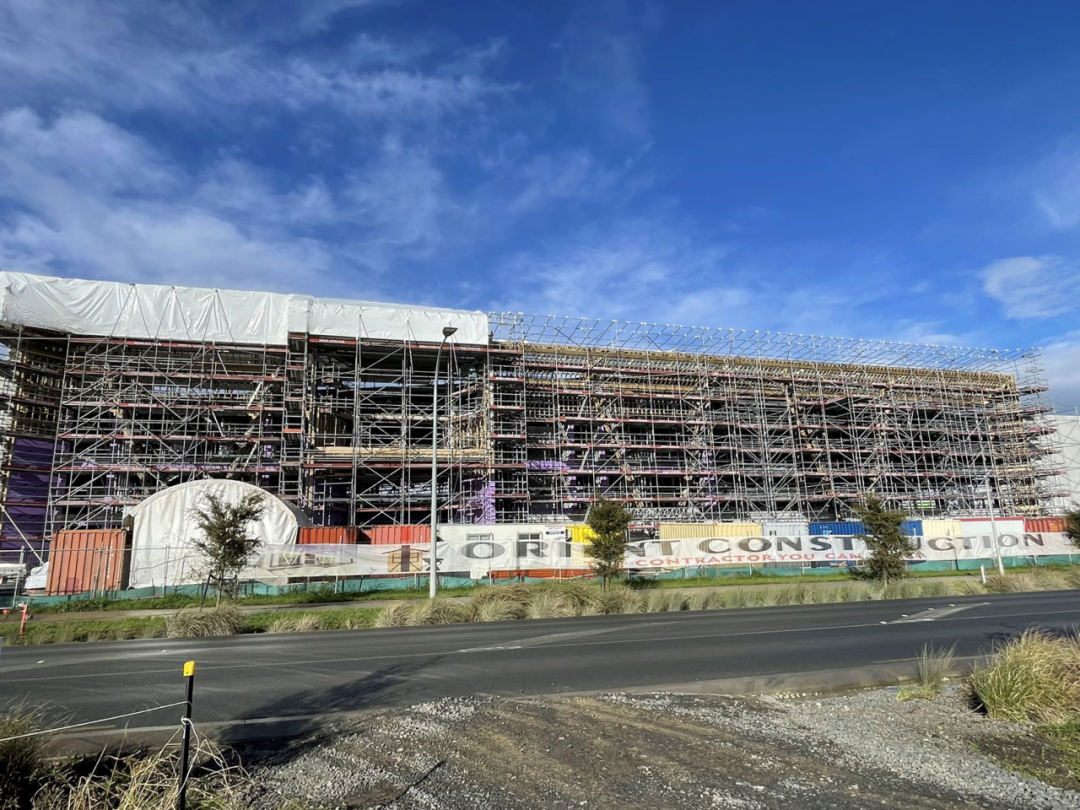
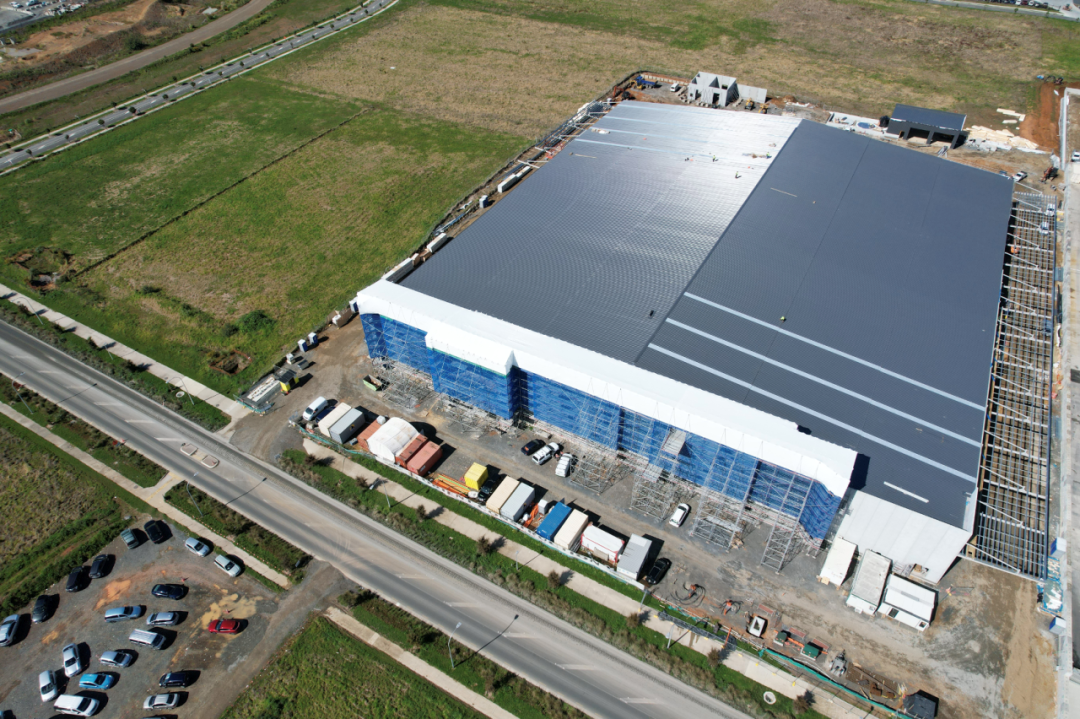
The long-awaited moment is finally arriving: on 22 September, the ZEAL wet pet food production facility will celebrate its topping-out ceremony. Located in Auckland, New Zealand, this magnificent project is the pride of China Pet Foods, and its scale is breathtaking. With a floor area exceeding 15,000 square metres, a steel structure spanning more than 100 metres and a height of over 16 metres, this colossal building resembles a vast industrial palace.
Behind the entire project is a dedicated team working seamlessly together, pouring their hearts into the work and making tireless efforts. On the last day of August, they successfully completed the roof seaming and handed over two-thirds of the factory to the client for production equipment to be installed. Behind this project lies a story of determination, hard work and collaboration.
A classic case study in project management
The story began with China Pet Foods, a Chinese listed company, seeing strong potential in New Zealand's pet food production market and deciding to establish a world-class pet food factory in Auckland. Following an introduction by New Zealand Trade and Enterprise (NZTE), China Pet Foods decided to seek help from Prostone Consulting.
Prostone Consulting, New Zealand's first Chinese-owned multidisciplinary consultancy, provided crucial support to China Pet Foods, including development, quantity surveying, design management and project management services. In early 2021, Prostone was commissioned by China Pet Foods to undertake a comprehensive feasibility study and risk assessment for the project. In just four weeks, it worked with specialist teams to complete detailed due diligence covering planning, transport, infrastructure, wastewater discharge, air emissions and other matters.
After the due diligence was completed, China Pet Foods formally approved the project, and Prostone Consulting was selected through a tender process as the client's project management and quantity surveying consultant (PQS). The team maintained close management oversight throughout planning, design, consent applications and tendering, driving the project forward with firm steps and decisive action. This delivered significant achievements during the design and approval stages.
The Prostone team completed the design consultancy tender process in just 6 weeks, selecting Babbage from 5 teams to undertake all design work, including architectural, structural, mechanical and electrical design. Acting on the client's behalf, Prostone effectively managed the design process, optimised costs and successfully secured both resource consent and building consent.
Through efficient collaboration, Prostone and Babbage secured resource consent in just 4 months and building consent within 3 months, an exceptional achievement for a major industrial project. This success stemmed from the close cooperation between the teams, which demonstrated outstanding professional expertise and teamwork. Prostone's efficient tendering and sound selection decisions laid a solid foundation for smooth progress. Babbage's high-quality, efficient design work was crucial to the overall programme. This achievement reflected both professional capability and excellence in teamwork and coordination. The close cooperation and effective communication between Prostone and Babbage delivered impressive results in timing and quality, establishing a solid foundation for an industrial project of this scale.
Prostone's project management team began preparing for tendering while the building consent application was being assessed. With construction material prices rising and skilled tradespeople in short supply, general manager Peter Niu quickly contacted key subcontractors and suppliers. During tendering, Prostone's commercial team promptly secured specialist subcontractors experienced in major projects and agreed material prices early. Commercial director Raymond said: “We demonstrated our expertise in both cost management and contract management to earn the trust of the client and main contractor and ensure the project succeeded. This is crucial in a market with limited resources.”
After two months of tendering and negotiations, Orient Construction beat four other main contractors and mobilised within just a week of the project receiving consent, beginning earthworks. It also promptly signed a formal subcontract with Grayson Engineering, the structural steel subcontractor with the longest procurement lead time, ensuring that steel on the project's critical path could be delivered as early as possible. Drawing on its expertise in reinforced concrete construction, Orient Construction worked closely with steel subcontractor Grayson, Archimax, the subcontractor for pre-painted steel roofing and wall cladding, aluminium façades, doors and windows, and materials supplier PlaceMakers. Together, they quickly completed a series of critical tasks, including pouring nearly 15,000 square metres of concrete flooring, fabricating and installing 1500 tonnes of structural steel, and installing more than 20,000 square metres of roofing and wall cladding. These swift, efficient actions kept the project progressing smoothly and demonstrated Orient Construction's outstanding project management and collaboration capabilities.
Prostone project director Red outlined the factors behind the success of the China Pet Foods project. He attributed it to the seamless combination of three key elements: a professional, responsible team, extensive project management experience and wide industry connections. Red stressed the importance of ongoing collaboration and meetings, including project control group (PCG) meetings, design meetings and project coordination meetings. These were more than routine formalities: they were essential mechanisms for maintaining information flow and coordination among project participants, ensuring open, transparent communication between all three parties. This clarity helped ensure tasks were carried out promptly. He said: “All of this assigned complex tasks to teams and specific individuals, giving everyone clear objectives and enabling them to work together.” This collaborative spirit was central to the project's success. Everyone worked towards the intended objectives, forming a highly organised and efficient project management team that ultimately ensured successful delivery.
Orient Construction general manager Zheng Lu also discussed innovations introduced to the project's management and technical work. Adopting these approaches early laid the groundwork for successful, smooth delivery. First, the company worked with building information modelling (BIM) specialist 2KO Engineering to improve space utilisation and maximise project benefits. This ensured a sensible layout for building services, prevented potential clashes and saved time and resources. Second, it brought heating, ventilation and refrigeration company 1M into the design and coordination of complex mechanical and electrical equipment early, making equipment design, procurement and installation more logical and streamlined. Orient Construction's excellence in project management and technical delivery was a key factor in the project's success. Through innovative technology and partnerships with specialist companies, it ensured efficient execution and equipment design, earning a strong reputation and laying a solid foundation for future growth.
{ad}
Frank Xu, president of the New Zealand Chinese Building Industry Association, highlighted problems facing New Zealand's construction industry and offered reflections on project management and industry collaboration. He noted that parties on construction projects sometimes work in isolation and shift responsibility onto one another, undermining cooperation and trust and reducing efficiency and quality. Success requires an integrated management approach that coordinates interests, resources and responsibilities to achieve synergies. This includes careful planning, effective communication and mutual trust to ensure projects are completed on time and within budget. He also emphasised that professionalism and quality in construction help improve client satisfaction, the industry's reputation and New Zealand's safe, liveable environment.
“As we all know, the highest level of project management is ‘Project Integration Management’. Projects cannot be managed well when everyone works in isolation. Only through careful planning, effective communication, sound coordination and mutual trust can we ensure and achieve smooth project delivery.”