
Are New Zealand house prices rebounding strongly? Here is where the biggest gains are happening!
Where in New Zealand is suitable for property investment?
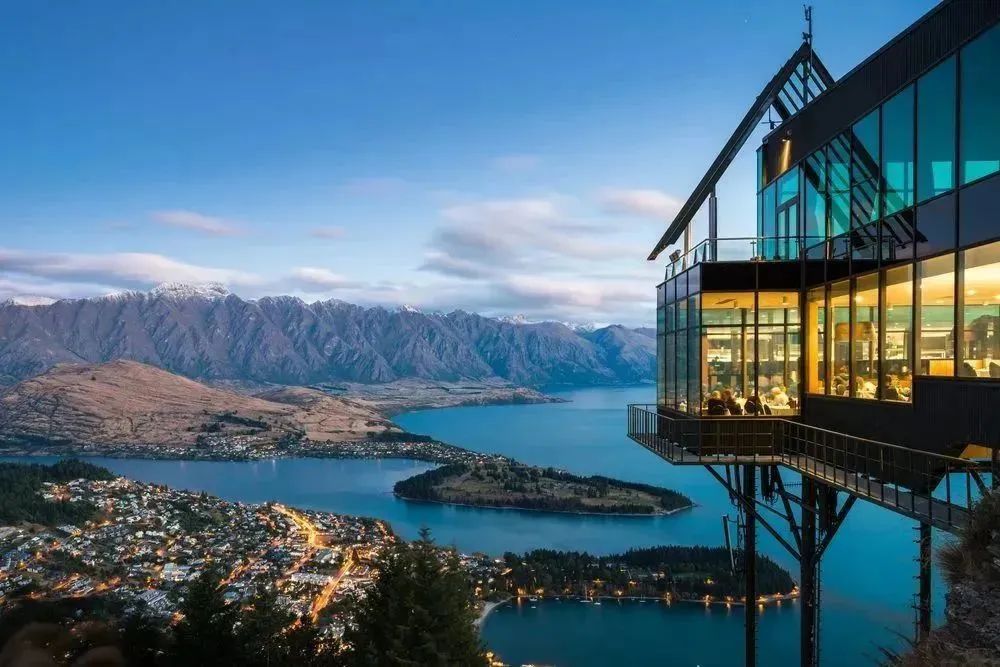
Queenstown house prices are soaring
Prominent New Zealand economist Tony Alexander recently said the country’s property market was in an upswing, with the housing markets in several major cities leading the rise in prices.
Alexander’s latest research into New Zealand’s regional property markets shows that house prices are making a strong comeback in some cities, while other areas are still lagging but will eventually join the upswing. He predicts house prices will rise in every region and concludes from the data that several major cities will lead this cycle. He initially expected Auckland to be the main focus of price growth, but Wellington and Christchurch have also performed well. Although price growth in other regions will lag to some extent, he believes it is only a matter of time.
He believes the main reason prices in many cities are rising faster than in more remote areas is the rapid increase in net migration this year. Large numbers of new migrants have concentrated in some of New Zealand’s main cities and regions. Auckland, Wellington, the Bay of Plenty, Gisborne, Manawatū/Whanganui, Nelson/Tasman/Marlborough, Canterbury, Queenstown and Dunedin are among the areas showing clear signs of a house price recovery.
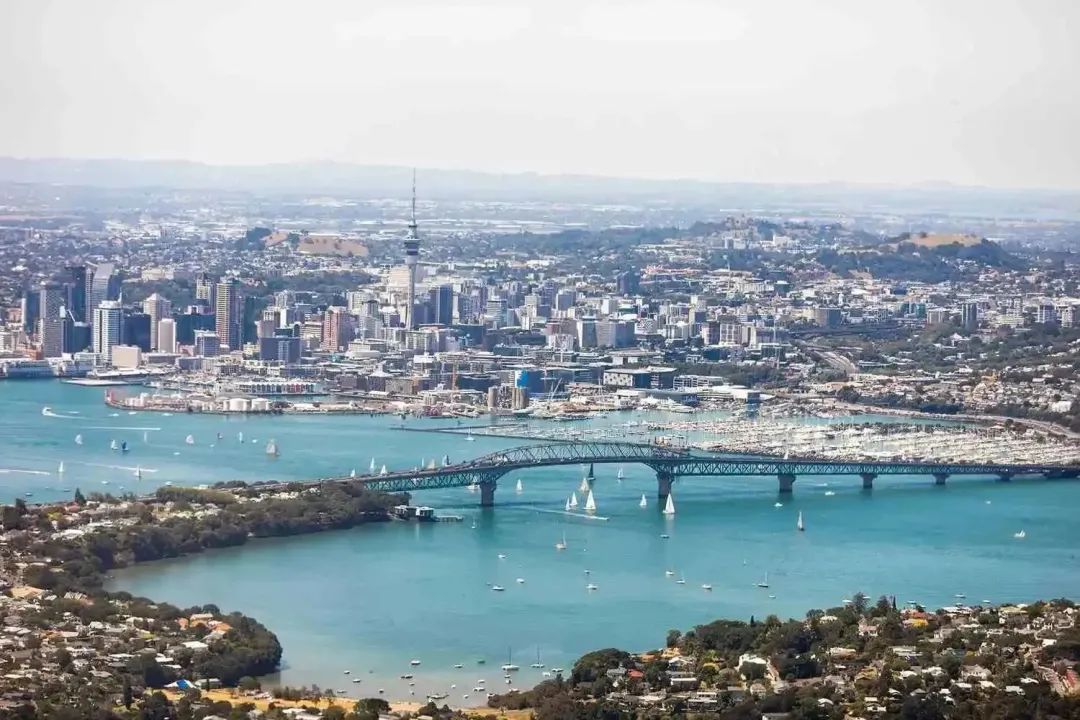
Auckland house prices lead the national property market
The latest sales data from the Real Estate Institute of New Zealand shows that Auckland’s median house price rose 1.4% in September. Alexander believes the return of international students has helped establish this longer-term growth trend in Auckland’s housing market. In Wellington, a shortage of properties listed for sale has also pushed prices higher. Over the past four months, prices have risen almost 5% from their pandemic-era low. Canterbury’s house prices, meanwhile, performed better than the national average during the economic downturn, and he believes the region has further gains ahead. Alexander describes the South Island tourism destination of Queenstown as a “focal point” for house price growth. He attributes its soaring prices to incoming migrants and growth in key industries such as tourism, and believes this momentum is likely to continue.
Southland’s house prices rose 2.3% in September, exceeding the national average gain of 1.8%. Nelson Tasman, Marlborough, Manawatū and Whanganui also recorded price rises, although their gains were smaller. Notably, Marlborough’s property sales in month 9 increased 66.7% year on year. Meanwhile, prices in Taranaki, Waikato, Northland and Hawke’s Bay continued to fall as those markets lagged behind. Alexander believes these regions are experiencing a delayed response, and that Northland’s average house price will soon rise in response to Auckland’s gains.
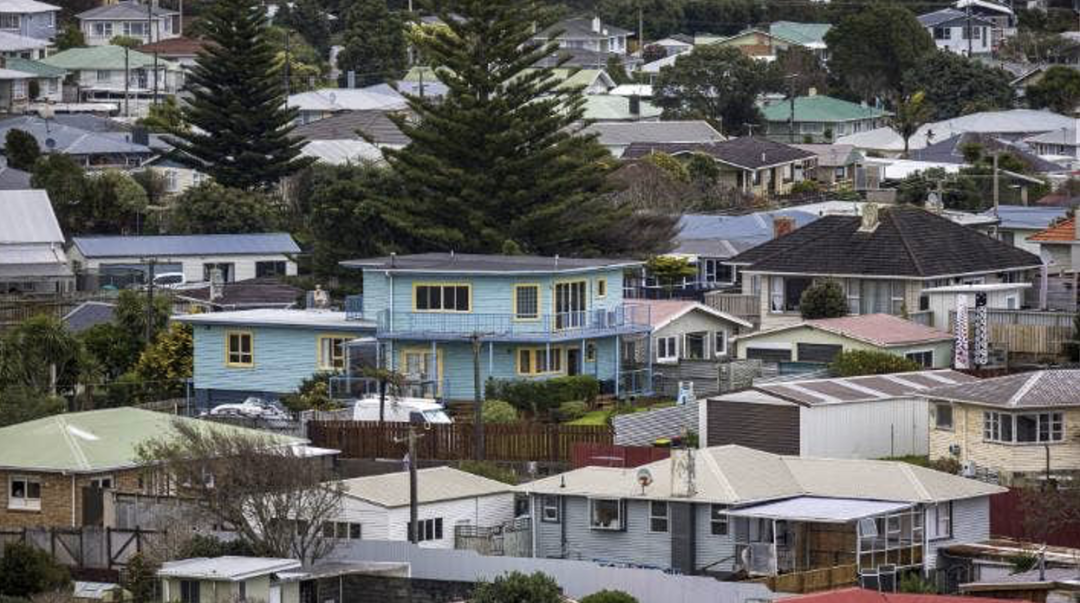
Tony Alexander believes New Plymouth house prices will recover soon
Alexander believes that although Waikato and Taranaki have not recorded the price rises seen elsewhere, their downward trends have definitely ended. With New Zealand’s housing market entering an upswing, he expects its performance over the next three to five years to offer much to look forward to. However, Hawke’s Bay was the weakest-performing housing market in the country. In September, its average house price fell 3%, despite the national average rising 1.8%. Alexander explained that although Hawke’s Bay is a very attractive region, its supply of new homes has grown faster than its net migrant population.
- So does this mean areas outside the major centres are unsuitable for property investment?
Alexander’s answer is no. Historical market sales data shows that house price growth in these areas is not necessarily much lower than elsewhere. Investors seeking strong capital gains can still achieve substantial returns by investing in more affordable areas, such as South Auckland. However, he also reminds investors that the property market’s “focal points” tend to be in the big cities. Before buying in an unfamiliar area, investors should make sure they understand its local characteristics and have considered the associated risks.
Material for this article was sourced online.
{ad}