
Key figures released: house prices keep soaring! Could the formation of a new government bring this many changes to the property market?
Policy changes remain uncertain. If you are looking to buy or sell a home, consider consulting a Barfoot & Thompson professional for the latest first-hand information.
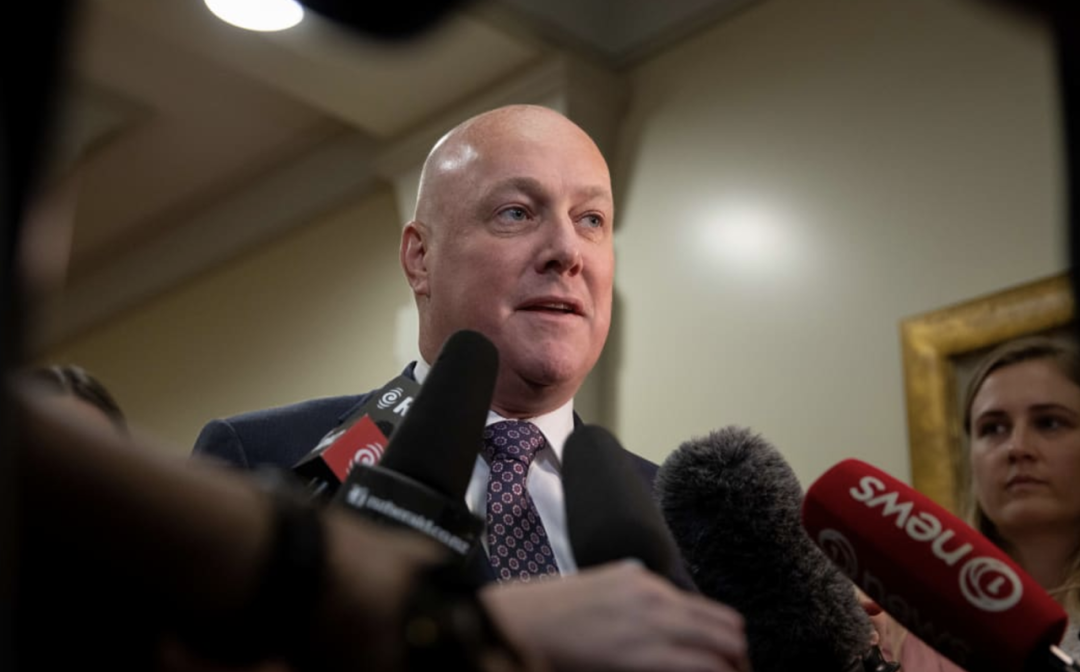
Last Friday, New Zealand’s 2023 general election formally concluded. A three-party coalition of National, ACT and NZ First has begun to take shape, and many policies, including those affecting property, will inevitably be significantly influenced over the next three years.
|
Over the coming period, the government may deliver its pre-election promises favourable to the housing market one by one. It is widely believed that this election result will directly lead to house price rises over the next year or two. Over the longer term, if National reduces controls on the property market and slows housing intensification in major cities, these policies will have a positive impact on construction and property markets, spark renewed investor activity and boost rental housing supply. In other words, National does not plan to end housing intensification, but may withdraw from the MDRS, slowing the shift towards medium-density housing in major cities.
|
House prices have already begun rising in many parts of New Zealand. Will this momentum continue? Today, we look at how the parties’ efforts to fulfil their post-election promises will affect the property market.

During the campaign, National attracted considerable attention with a series of promises favourable to the housing market and property investors. However, foreign relations, taxation and the need to govern with other parties mean their eventual implementation remains uncertain. Let us examine them individually:
Easing the bright-line test
The bright-line test was originally introduced by a National government. In 2021, however, the Labour government announced an extension to the bright-line period to ease market pressure and remove incentives for property speculation. Under current rules, investors must pay income tax on gains from selling existing homes within 10 years of purchase, or new builds within 5 years. Described as a ‘de facto capital gains tax’, the policy has dampened enthusiasm among a substantial number of investors.
National has promised to shorten the bright-line period to 2 years, meaning investors would pay tax on gains from selling homes within 2 years of purchase. This could take effect in July next year. National has so far given contradictory answers about whether new builds would be exempt, so this remains unconfirmed.
ACT goes a step further, arguing that the bright-line test should be abolished entirely. Whatever agreement the two parties eventually reach, changes to the bright-line test are almost certain. Once implemented, financially stretched investors will begin selling in large numbers, increasing the supply of properties on the market.
Restrictions on interest deductibility
Under current policy, landlords cannot freely deduct mortgage interest expenses from rental income and instead face various restrictions, including those based on property type. National has promised to restore interest deductibility in stages for property investors, regardless of whether a property is newly built or existing, its type or its age. It hopes to restore full interest deductibility by 2026. ACT also supports restoring the ability to deduct mortgage interest expenses from rental income.
This is very significant good news for property investors, most of whom will pay less tax. For example, investor Mr Zhang owns a rental property with a NZ$500,000 mortgage and weekly income of NZ$540. Under National’s promised policy, he would save NZ$110,000 annually.
Easing restrictions on overseas buyers purchasing homes
Under National’s earlier proposal, overseas buyers might be allowed to purchase properties worth more than NZ$2,000,000, subject to the corresponding tax. However, NZ First is a staunch supporter of the foreign buyer ban. Its leader Winston Peters has said that ‘foreigners with deep pockets’ should not be allowed to disrupt the market. If NZ First joins the next government, this campaign promise could be scrapped.

Triggering DTI (debt-to-income) restrictions
Taken together, the policies above suggest that the government’s future actions will largely favour investors and homeowners. Property prices are likely to rise further from current levels, while high migration and construction costs could trigger a new housing crisis. Given the risks facing the property market, the Reserve Bank of New Zealand may choose to implement DTI restrictions. The central bank has already signalled public consultation on DTI restrictions, which could be formally introduced in the middle of next year.
 National’s campaign promises also point to substantial changes in the rental market. Alongside the flow-on effects of home-buying measures, the government may amend several policies.
Allowing landlords to end fixed-term tenancies without giving a reason
Currently, landlords can terminate fixed-term tenancies only if they want to move into the property, it is to be sold or renovated, tenants have failed to pay rent, or tenants’ antisocial behaviour can be demonstrated.
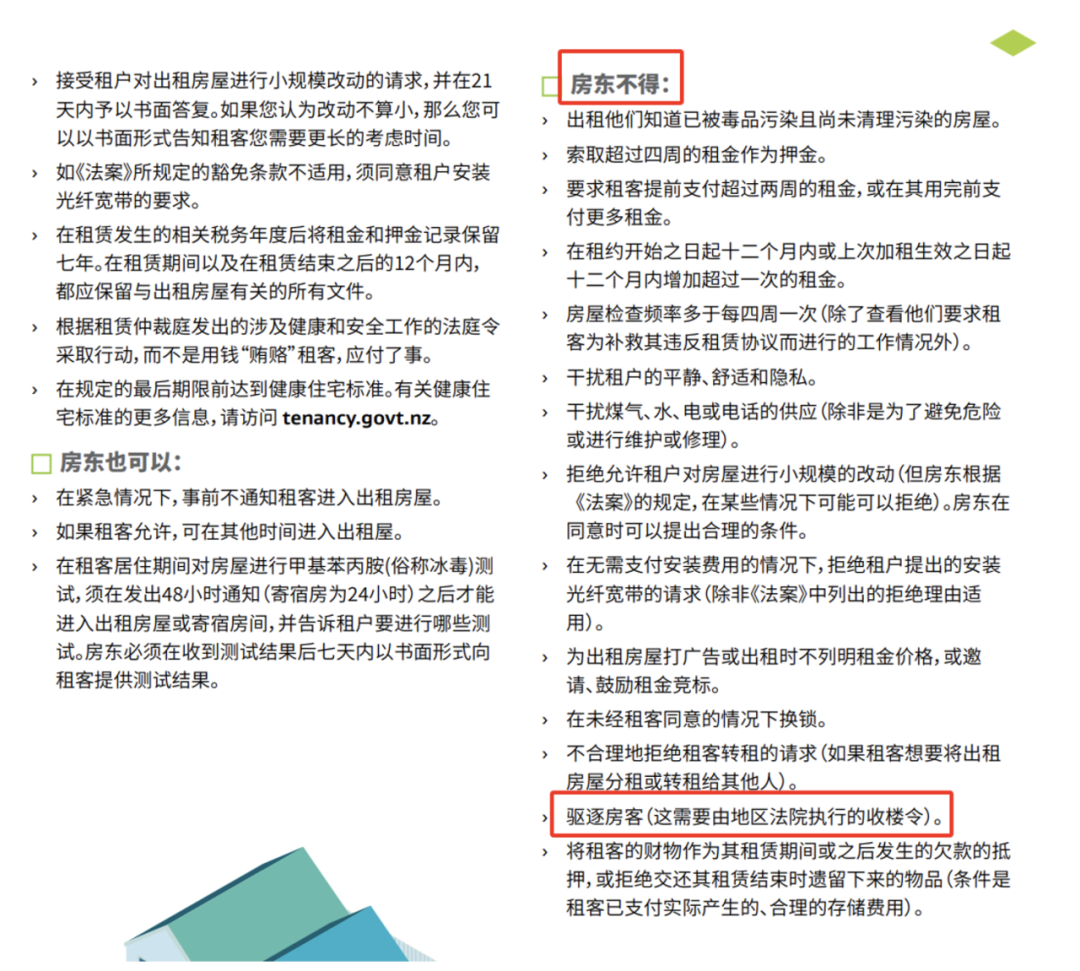 New Zealand’s current tenancy rules. Source: www.tenancy.govt.n z
Amendments introduced by the Labour government two years ago removed the provision for ending tenancies without cause, but National has promised to reverse this. During the campaign, National’s then housing spokesperson Chris Bishop said that although banning no-cause tenancy terminations was ‘well-intentioned’, it had hindered growth in housing supply. He described making evictions easier as a ‘progressive, pro-tenant move’.
People under 30 could use KiwiSaver to pay rental bonds
National has promised to allow people under 30 to use their KiwiSaver savings to pay rental bonds. Bishop said: ‘For many people, particularly students and young graduates with little cash, finding four weeks’ rent to enter a tenancy agreement is not easy. Our policy means that people with some savings in their KiwiSaver account can use that money to pay the bond on a tenancy agreement.’


Elections have always affected the property market. Transaction volumes often fall before a general election, while demand for homes after polling day is around 10% higher than before. Signs of this are already emerging in market data.
According to Barfoot & Thompson’s latest property data for October, Auckland house prices continue to rise. The median price has reached its highest level in seven months at NZ$1,011,250, while the average price has risen 3% from the previous month to NZ$1,090,724, its highest level in four months.
Meanwhile, sellers and buyers are ready to act. Listings have begun increasing, with sales volumes rising alongside them. Sales in October totalled 846 homes, the highest level in three years.
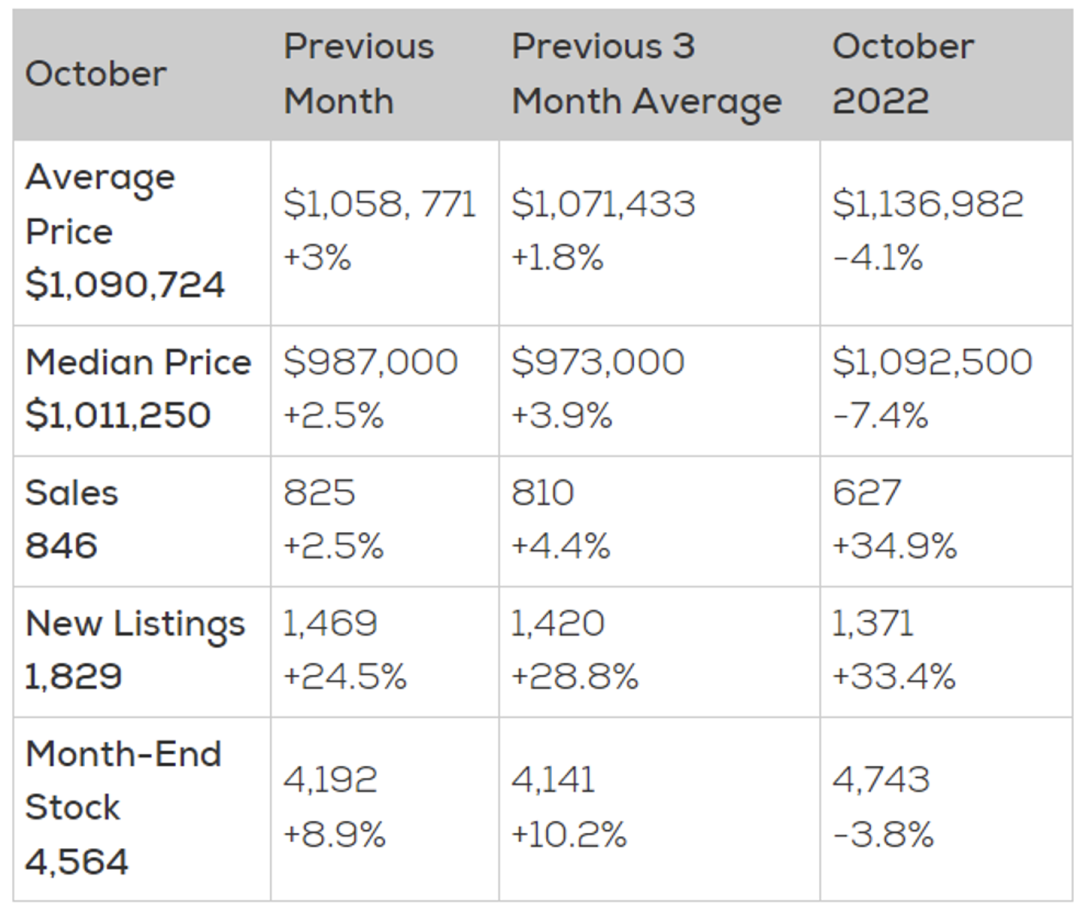 Barfoot & Thompson managing director Peter Thompson said: ‘The gains were modest but broad-based. New listings were strong, sales volumes continued to increase, and both median and average sale prices this month exceeded NZ$1,000,000 for the first time since March.’
Within individual market segments, homes priced between NZ$1,000,000 and NZ$2,000,000 were particularly popular. Peter said: ‘One feature of October’s sales figures was the interest in homes priced between NZ$1,000,000 and NZ$2,000,000. Although this has always been the largest segment by sales volume, it accounted for 54% of all sales in October, the first time this year that the price bracket has represented more than half of all sales.’
He believes there is more behind this trend: ‘Homes priced between NZ$1,000,000 and NZ$2,000,000 are particularly sensitive to mortgage repayment levels. This suggests that people taking on debt at current interest rates believe house prices will only rise from here.”
The property market is already trending upwards, but policy changes remain uncertain. If you are looking to buy or sell a home, consider consulting a Barfoot & Thompson professional for the latest first-hand information.
Barfoot & Thompson is the real estate agency that knows Auckland best
Barfoot & Thompson handles 1/3 of Auckland’s home sales,
far ahead of every other real estate agency.
-Residential sales-
-Commercial property-
-Property management-
-Residential rentals-
-Body corporate-
-Project support-