
Beyond the 5-year parent visitor visa, what other immigration changes could be coming? A senior immigration lawyer explains the visa changes that may follow under the new government!
They have announced their intention to simplify and speed up immigration processes and improve visa processing times.

|
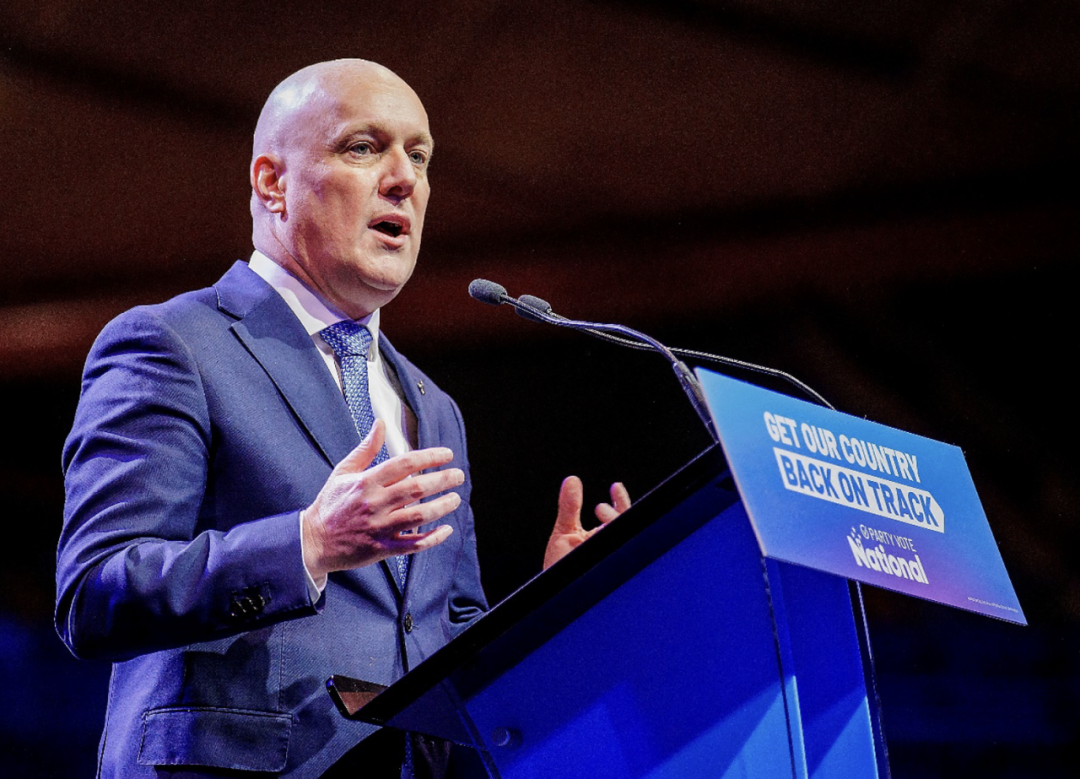
Promoting the student visa category delivered good results for National during John Key’s government from 2009 to 2017. In the aftermath of the US global financial crisis, the National-led government also actively promoted its international student programme. This greatly enriched New Zealand’s cultural diversity and ushered in a ‘golden period’ of trade that benefited many New Zealanders.
National also proposed the widely discussed upgrade to the ‘parent visa’, allowing parents of New Zealand residents to apply for a longer, 5-year visitor visa. Beyond this, however, there appear to have been few announcements in other areas. Given that Labour, National and ACT have made almost identical statements about this parent visa upgrade, there is good reason to believe it will eventually become part of immigration policy. At the time of publication, the policy had not been implemented.
Alongside the policies above, there are some other minor changes, such as:
|
|
Whether these three proposals will succeed or prove effective remains to be seen. With approvals capped at a combined total of only 1000 applicants, the numbers are too small to have a significant economic impact. At present, no party appears to have publicly announced plans to change the Accredited Employer Work Visa (AEWV) scheme or the investor and business visa categories.
Notably, National will continue two initiatives from the previous government: expanding the Green List residence category and processing applications under the 6-point residence category.
We can reasonably assume that few decisions will be made until National, ACT and NZ First agree on how to govern over the next 3 years. My assessment of the political situation is that ACT and NZ First are less interested in their immigration policies and may go along with National’s plans so they can prioritise other matters. Political negotiations are like bargaining in a market: gaining something in one area requires concessions in another. NZ First values retaining the retirement age of 65, while ACT wants to establish a new department to oversee New Zealand government policy, among other things.
During this election campaign, the parties paid relatively little attention to immigration. The cost-of-living crisis and the overall budget appear to have taken priority.
|
I have made some predictions about future immigration trends and changes:
|
|
Overall, the government does not appear to have a coherent immigration plan. Many categories do not complement one another, and the complexity of immigration rules makes them difficult for Immigration New Zealand to administer. This contrasts sharply with Australia, Vietnam and Japan, where visitor visas can be processed within weeks. In New Zealand, even a straightforward visitor visa application can take 2 months or longer.
I believe the government may introduce some changes with good intentions, but ultimately find major reform difficult and turn instead to minor adjustments to existing policies.
That is not necessarily a bad thing. In my view, most current immigration policies are useful and can work. The biggest problem is inefficiency, which does little to help a recovering economy. Given the opportunity, I would advise the new government to support and encourage every immigration officer in their work, allowing them to act without fear of public criticism. The current climate surrounding potential migrant worker exploitation has made officers overly cautious. Inefficiency may stem from an excessive fear of making mistakes.
About the author

Sonny Lam
Senior immigration lawyer, Queen City Law
Former immigration officer, Immigration New Zealand
Scan the code to enquire for more information
