
NZ First ‘disappears’ as the three parties fail to reach a deal! Is the overseas buyer property tax policy likely to fall through? How will these property policies change under a coalition government?
The day NZ First’s leader disappeared.


National’s previously announced overseas buyer policy attracted considerable attention among the Chinese community, but YIJU had also suggested in its analysis that the policy could well be dropped once NZ First joined the negotiations. (Read more: Key figures released: house prices keep soaring! Could the formation of a new government bring this many changes to the property market?)
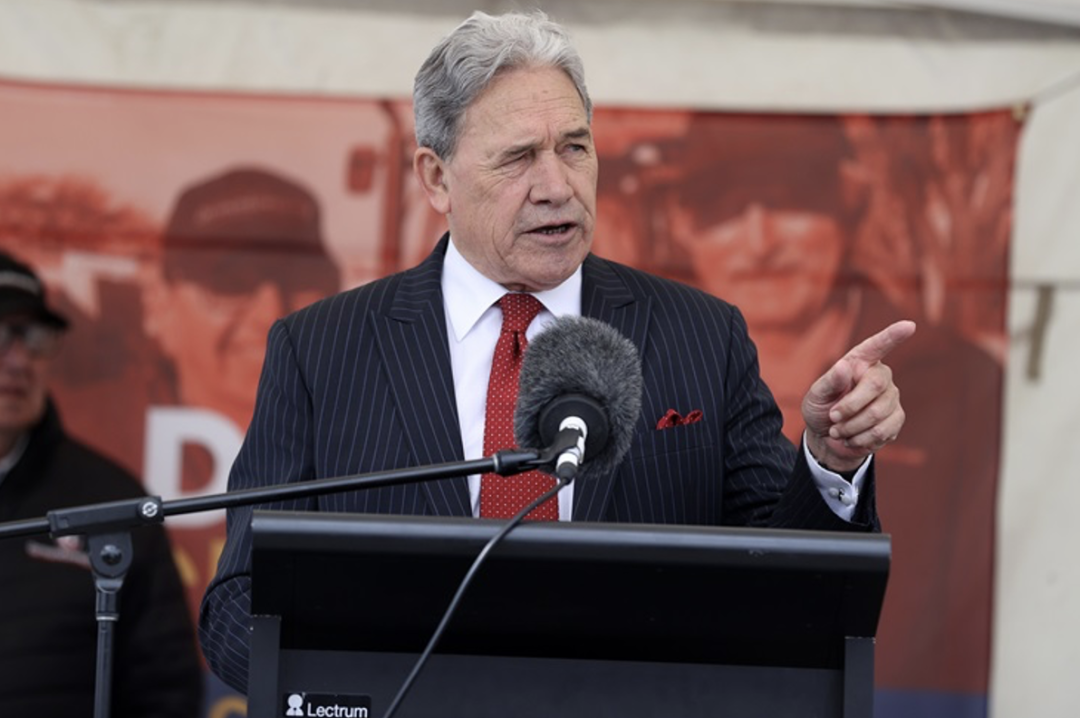
NZ First leader Winston Peters has explicitly stated that his party opposes lifting the ban on overseas buyers purchasing homes
Yesterday morning, New Zealand’s prime minister-elect Christopher Luxon gave his strongest indication yet on TVNZ’s breakfast programme that he would commit to tax relief and would not change National’s pledge to open New Zealand’s housing market to overseas buyers.
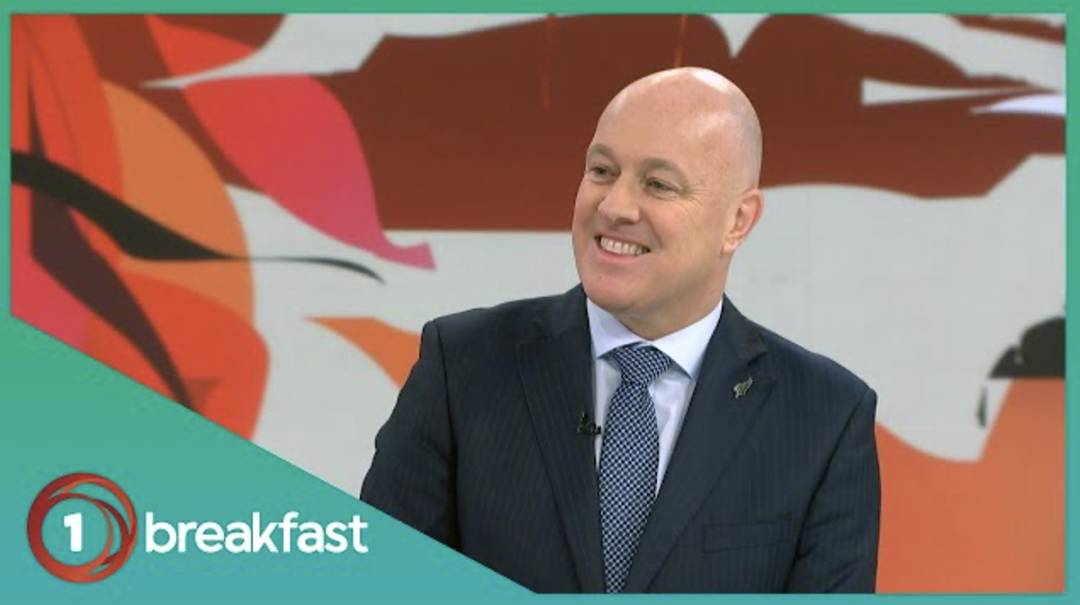
Christopher Luxon speaking recently on a breakfast programme
Luxon said National was still negotiating with ACT and NZ First to form a new coalition government. Although the three parties had reached broad agreement on the need for judicial reform and controls on government spending, they remained deeply divided over some economic policies affecting the property sector. One sticking point was National’s election promise to cut taxes for New Zealanders struggling financially. Much of the resulting revenue shortfall was to be covered by an additional purchase tax payable by overseas buyers purchasing New Zealand properties worth more than NZ$2,000,000.
However, NZ First has expressed its opposition to lifting the overseas buyer ban, which it introduced while governing in coalition with Labour in 2018. Other National housing policies considered favourable to property investors may win support, such as restoring interest deductibility for property investors and reducing the bright-line test from 10 years to two years. But while party negotiations continue, all of this remains uncertain.
Formal three-party talks have yet to take place. ACT leader David Seymour said this morning that the leaders of the three parties were ‘very likely’ to meet today. But a curious development soon emerged: media reported that NZ First leader Winston Peters, who was supposed to be in Wellington, had ‘mysteriously disappeared’, missing his party’s lunch and failing to meet the other two parties. Senior NZ First MP Casey Costello said she did not even know whether Peters was in Wellington.
NZ First subsequently confirmed that Peters was not in Wellington today, meaning the three-party negotiations had yet to make substantive progress. ACT deputy leader Brooke van Velden said: ‘An agreement could be reached this weekend or even next week, but that is the purpose of the ongoing negotiations … Every day is a new day.’
Interestingly, in the week before Luxon’s TVNZ interview, a number of New Zealand economists shared their views on the election result, expressed strong preferences about which campaign policies they hoped would be retained, and offered their outlook for the property market once the new government was formed.


Westpac senior economist Satish Ranchhod
Ranchhod believes restoring mortgage interest deductibility is one of the most significant housing policies a National-led coalition government could enact, and would be likely to encourage investors to enter the market. He said he also expected other policy changes affecting the property market, including amendments to zoning laws and potential changes to tenancy policies, such as the right to evict tenants in various circumstances.
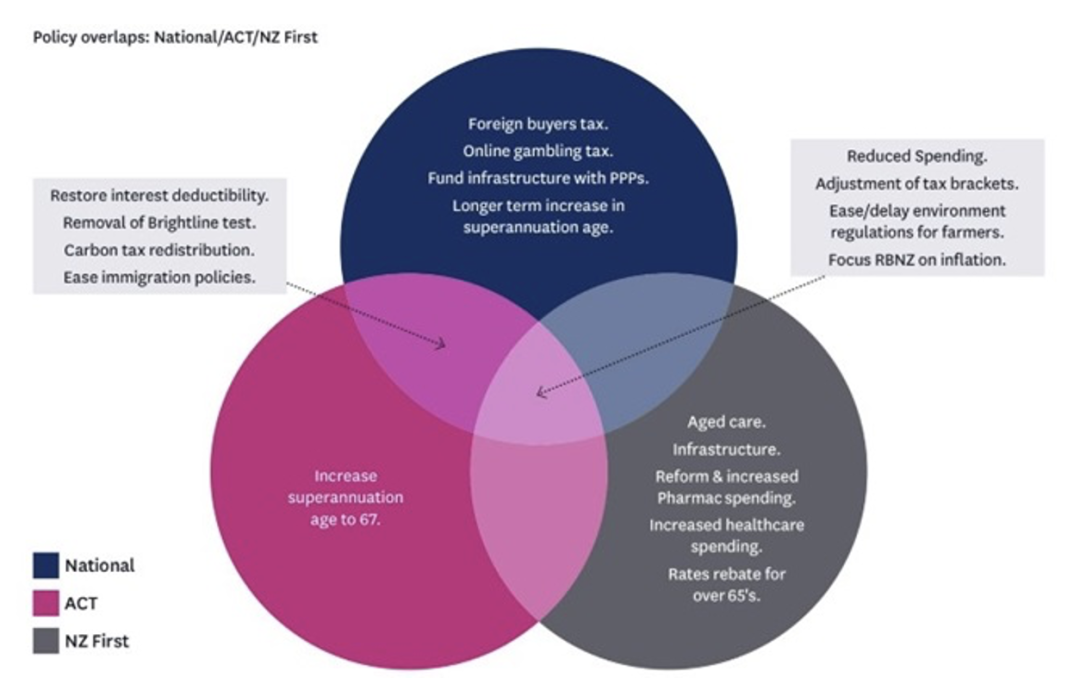
A diagram showing where the three parties’ policies align and differ
The Labour government abolished no-cause evictions, which had allowed landlords to give tenants 90 days’ notice to leave, replacing them with a three-strikes rule that made it difficult for landlords to regain possession of their properties. Another significant change was the automatic conversion of fixed-term tenancies into periodic tenancies. This prevented owners from renting their properties to tenants during the off-season, as they could not regain possession for their own use or for short-term summer rentals.

CoreLogic chief property economist Kelvin Davidson
Davidson said changes to interest deductibility would encourage investors to start buying homes again, while a two-year bright-line test could prompt some investors unable to bear high mortgage interest costs to sell their properties sooner. He believes the policy most likely to struggle to win NZ First’s support is the 15% overseas buyer purchase tax. During the campaign, the party explicitly opposed allowing overseas buyers back into New Zealand’s property market.
However, Davidson expected the property market to regain momentum around the election and potentially maintain it, with house prices continuing to rise after bottoming out before the election. This is because a shorter bright-line period, the restoration of interest deductibility and the return of overseas buyers could all have a positive effect on the housing market. But he did not believe house prices would take another ‘roller-coaster ride’ as they did three years ago. With housing affordability unchanged, mortgage rates still high, and LVR and DTI constraints in place, a fundamental shift in the housing market would be impossible.

Infometrics chief forecaster Gareth Kiernan
Kiernan said he did not expect a particularly strong rebound in house prices next year, forecasting growth of around 4% to 10%. Mortgage rates would not necessarily fall next year, and first-home buyers’ limited purchasing power would make it difficult to push prices up by 10%. He warned that abolishing mortgage interest deductibility and the bright-line test could dampen new home construction, particularly townhouse developments.

New Zealand Council of Trade Unions economist Craig Renney
Renney said plainly that NZ First’s opposition to the return of overseas buyers could prevent National from delivering its NZ$3,000,000,000 tax-cut target. All three parties had said during the campaign that they would review Kāinga Ora’s role, while National and ACT were also very keen to expand the community housing provider model. But with nearly 25,000 households on waiting lists nationwide, how could this be achieved without slowing the construction of public housing? It also remained unclear how the coalition would approach the Medium Density Residential Standards. National clearly no longer supported their continued implementation, but the standards were closely tied to zoning reform and reform of the Resource Management Act. ACT wanted land-use rules substantially relaxed to release more land, while National and NZ First wanted to retain a degree of control over how this was managed.