
The latest property research is out! These New Zealand areas had the highest house prices and fastest growth in 2023
CoreLogic chief property economist Kelvin Davidson said prices at the top end of Auckland's housing market had fallen by around 15% to 17% from their peak in recent years, broadly matching the decline in median house prices…
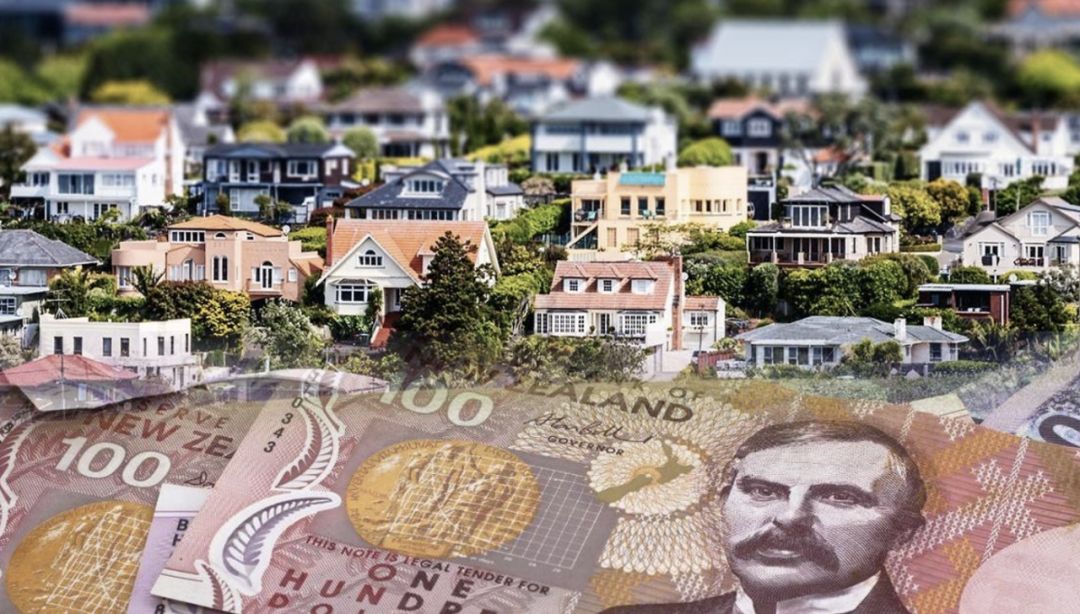
 Property data company CoreLogic revealed in its latest 2023 property report that the market experienced very different conditions in the first and second halves of this year. The first half was characterised by falling sales volumes and house prices, as rapidly rising interest rates dealt the market a heavy blow, before prices eventually bottomed out and rebounded. CoreLogic chief property economist Kelvin Davidson said prices at the top end of Auckland's housing market had fallen by around 15% to 17% from their peak in recent years, broadly matching the decline in median house prices. He explained that the price falls showed higher interest costs had also helped cool the upper end of the market, although their effect was less pronounced than at the lower end.
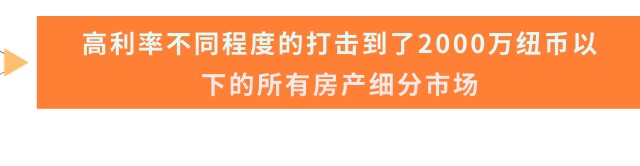
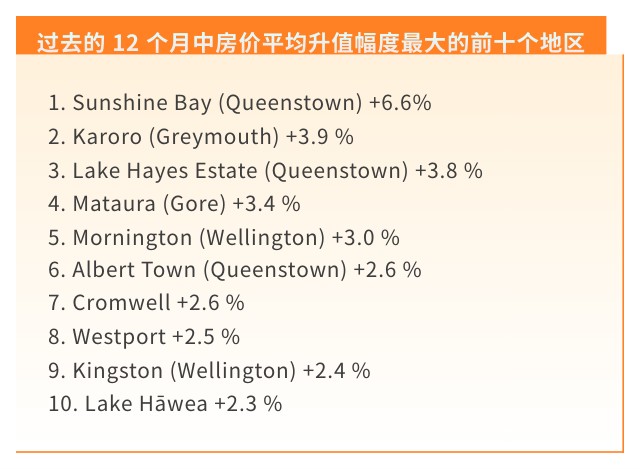
However, he also said high interest rates had a negligible impact on the market for properties worth NZ$2000 or more. For example, Featherston was one of New Zealand's weakest property markets this year, with prices falling by 16.6%, while Sunshine Bay in Queenstown led the areas with house price growth of 6.6%.
Herne Bay still has the country's highest median house price
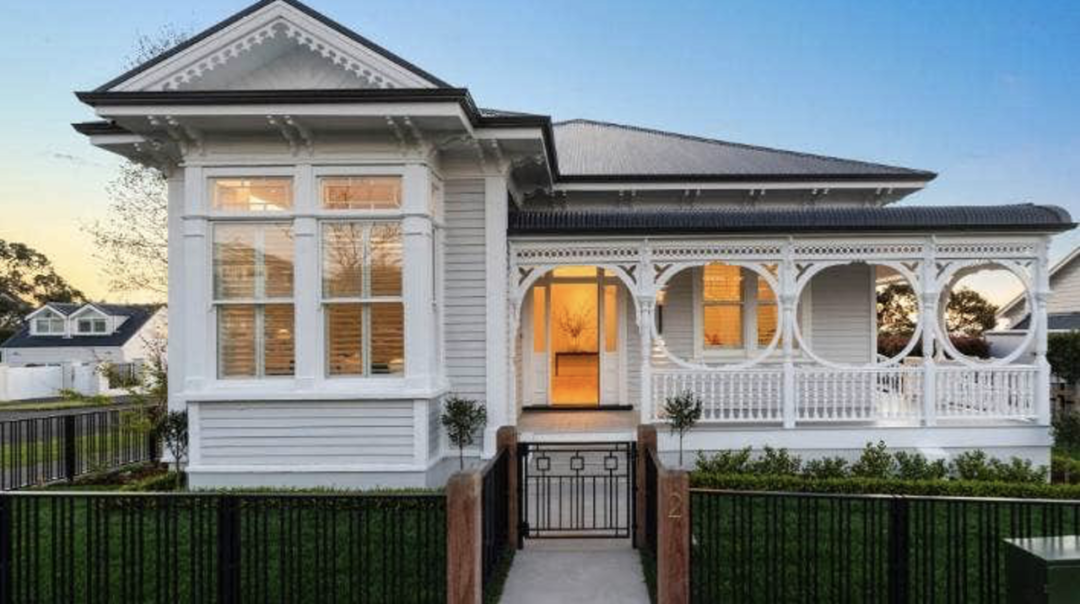
 By median house price, Herne Bay remains New Zealand's most expensive residential suburb, at NZ$3,161,000. Cobden has the lowest median, at NZ$258,200. Davidson believes the near doubling of interest rates from mid-2021 to the end of 2022 dealt the housing market a devastating blow. Sales improved in May and June this year as the pace of interest rate rises slowed markedly, while favourable policy developments also helped revitalise the market. For example, lending application rules under the CCCFA were eased from 1 May, followed by an easing of loan-to-value ratio (LVR) rules from 1 June.
Against this backdrop, property sales increased at a healthy pace in the second half of this year, but the overall starting point remained low. Even strong growth of 10% to 15% did not translate into a substantial increase in transaction numbers, and the rate of new listings remained relatively low in 2023.
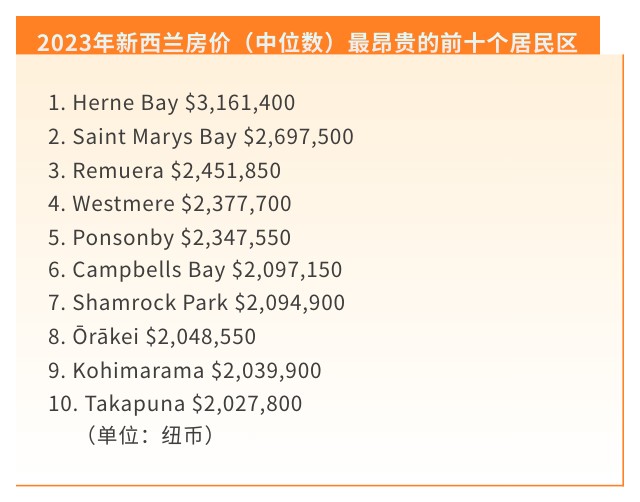 In Hargest and Invercargill, the median time from listing to sale was 11 days. This contrasted sharply with Ohakune, where the average time on the market was 115 days.

Davidson said that although an increase in net migration would not directly stimulate property sales volumes or house prices, there were already signs that the influx of new migrants was placing unprecedented pressure on an already tight rental supply. The direct consequences were falling vacancy rates and an inevitable acceleration in rent increases.
Evidence of this can be seen in many places, including Auckland's Fairview Heights, where the median weekly rent jumped by 32.4% over the past year. Davidson stressed that if the National government shortened the bright-line test period from ten years to two years and restored mortgage interest deductibility for investors, it would give next year's housing market a powerful boost.
He expected this to bring some investment demand back into the market, while also potentially allowing some existing investors to find themselves free of capital gains tax obligations sooner than expected. However, he stressed that with rental yields currently low and mortgage rates high, investors were unlikely to dominate the market even if some began to return. First-home buyers still had opportunities, as they could continue to benefit from government incentives such as KiwiSaver and make full use of banks' low-LVR lending allowances.
He predicted that property sales volumes would not be particularly high next year, potentially increasing by only 5%–10%.
Do you agree with this view? Share your thoughts in the comments at the end of the article and join the discussion.