
Has construction cost inflation stabilised in 2024? Supply could still fall short… What property investors need to know this week
What factors affect investors before a new home is completed?



During the COVID pandemic, New Zealand's construction industry experienced a surge in the cost of building new homes. Now, with construction activity slowing, helping ease pressure on the industry's limited capacity, and supply chains returning to normal, construction cost inflation has slowed considerably. The latest Cordell Construction Cost Index shows that the cost of building a standard home in New Zealand, excluding land, rose by just 2.4% in 2023, the lowest annual growth rate since the end of 2015.
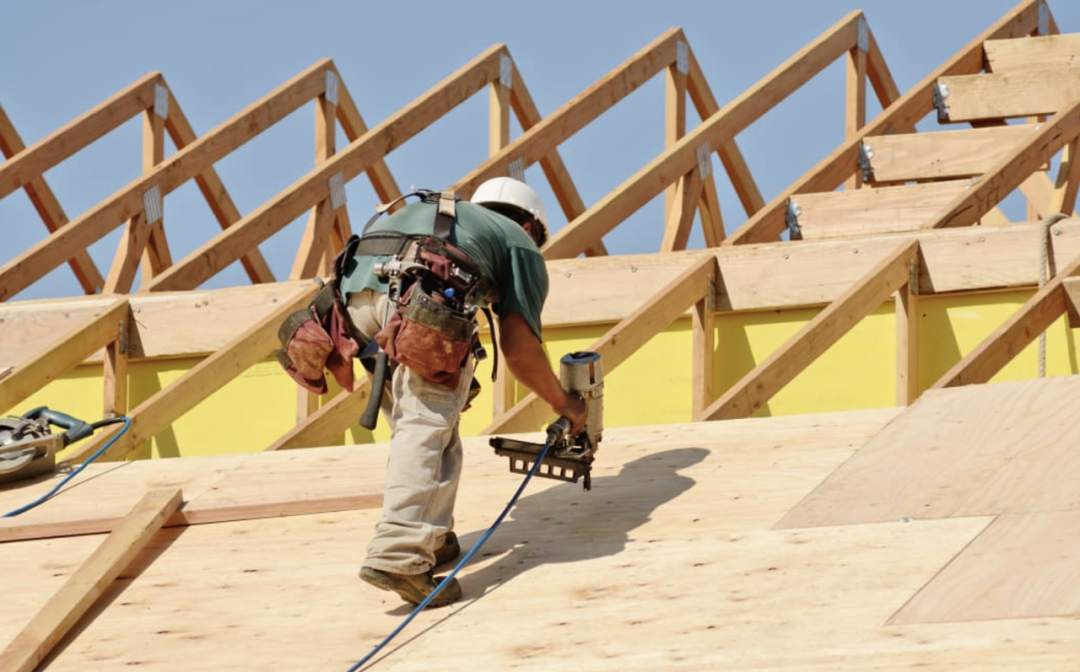
Nevertheless, construction costs are still rising, meaning the cost of undertaking a new project has not fallen, particularly when wages account for 40–50% of total construction costs. For individual investors considering building a new home in 2024, this may be welcome news, as costs will not adversely affect their planning and financing.
 A report released by Stats NZ last week showed that 2985 building projects received consent in November last year, down 36% from a year earlier and marking the 14th consecutive monthly decline. The current annual consent total is 38209, well below the peak of 51015 in May 2022, and the lowest annual total since October 2020. A substantial proportion of these consented projects will never be built, meaning the overall net increase in housing stock could be smaller still.
CoreLogic chief property economist Kelvin Davidson said there was no need to be overly pessimistic, as current application numbers remained relatively high by historical standards. For example, annual consents totalled around 33,000 during the construction boom in early 2000. The latest figures remain slightly above the long-term average and are still substantial. So, although consent numbers have fallen, the supply of new homes will not disappear altogether.

Employment across New Zealand rose by 0.1% in November last year. Although modest, this increase continued the long-term growth trend. In fact, employment fell only once over the past 20 months. The latest figures show employment was up 2.7% from a year earlier, or nearly 64,000 people. However, this upward trend may not last. Kelvin Davidson believes employment faces a difficult year, with the employment rate potentially falling sharply. Conditions could deteriorate further if New Zealand's economy continues to hover on the brink of recession. For now, however, the labour market continues to provide strong support for house sales and prices.


The latest Reserve Bank of New Zealand figures show that 72% of new lending in November last year, excluding repricing of existing mortgages, was fixed for up to two years. Of this, 34% was fixed for up to one year and 38% for between 1 and 2 years. A further 18% was on floating rates, meaning only 10% of borrowers in November fixed their loans for longer than two years. Given that banks' rate cuts in the second half of December tended to target longer fixed terms, changes in borrowers' choices could be more dramatic when the latest figures arrive on 8 February. The Reserve Bank of New Zealand will no doubt watch this shift closely, as falling long-term mortgage rates would undermine its efforts to curb inflation.
 This week, Stats NZ will release rental price figures for December last year on Thursday, followed by updated net migration figures for November last year on Friday. Clearly, strong net migration growth over the past 6–12 months has boosted demand in the property market and pushed rents up faster than their historical average. Will these market conditions continue? We will have to wait for this week's figures.