
Revealed: as the housing market recovers, could this be New Zealanders’ most sought-after property type in 2024?
Growing numbers of buyers concerned about cost overruns and delayed completion dates are turning away from off-the-plan developments and seeking completed new homes instead.
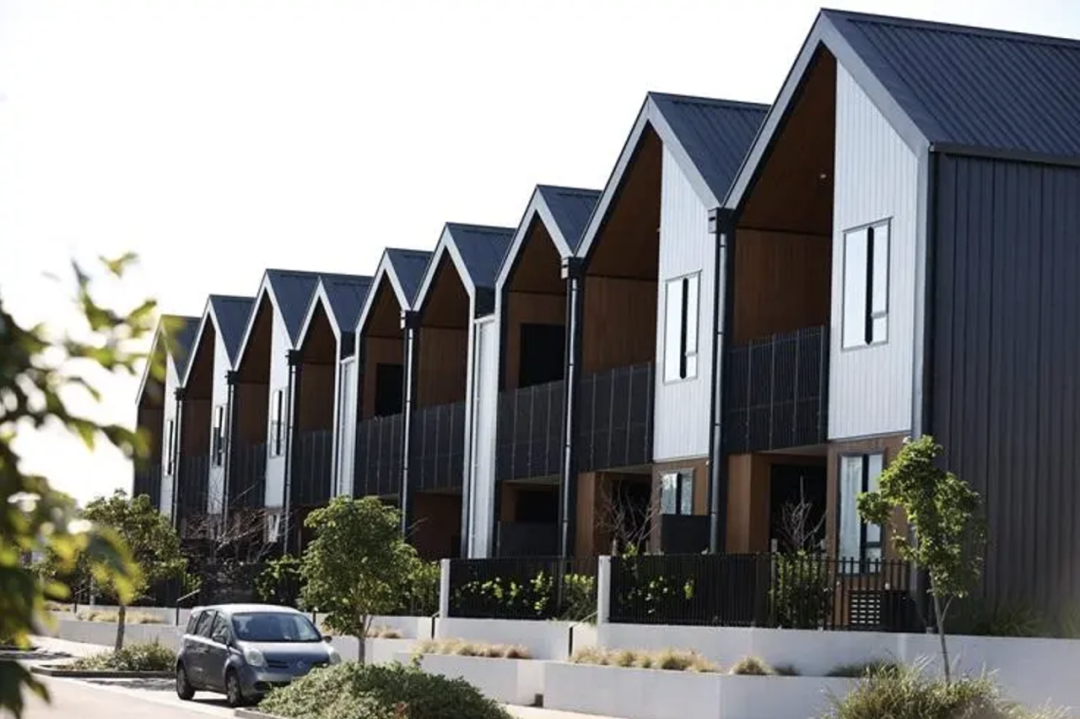
 Chris Farhi, head of Bayleys’ Insights, Data and Consulting team, says many people mistakenly believe New Zealand’s residential property market never changes, with brick-and-tile units and three-bedroom standalone houses the only properties in strong demand. However, buyers’ requirements have changed noticeably over time. He believes demand for lock-up-and-leave properties is primarily driven by overseas buyers, who may spend most of their time abroad and therefore have little time to maintain their properties. Modern homes with secure, enclosed designs consequently stand out for their lower maintenance costs, appealing to buyers who only need to stay occasionally.
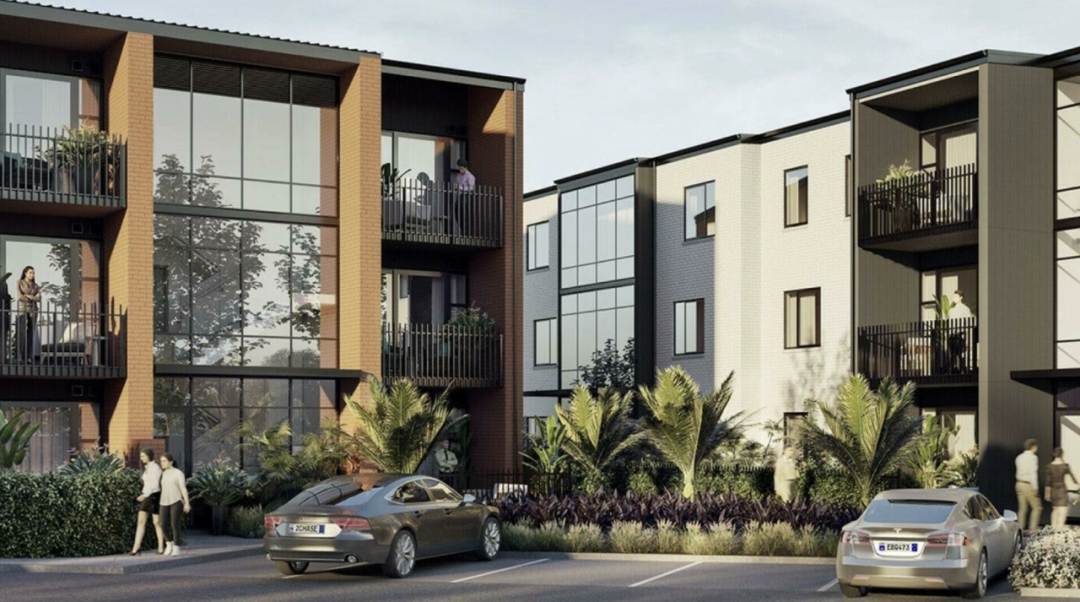 Luxury apartment developments could also attract investors in 2024
Farhi says luxury apartments may also appeal to investors looking to enter the short-term rental market. Apartments and residential developments converted into Airbnb accommodation can provide owners with extra income while they are away. New Zealand’s growing older population is another major source of demand for apartments and single-storey homes. These buyers typically choose easily accessible single-storey homes, multi-storey buildings with lifts, or properties where owners can live on the ground floor with additional living space upstairs for visitors.
 Chris Farhi, head of Bayleys’ Insights, Data and Consulting team
With the new coalition government in office, the National Party is set to restore mortgage interest deductibility and shorten the bright-line test from 10 years to 2 years. Farhi expects this to bring many investors back to the market and put considerable upward pressure on prices at the lower end. He explains that New Zealanders have a long tradition of building wealth through property investment. Investors have spent recent years on the sidelines, and restoring interest deductibility will rekindle their enthusiasm. Surging migration and a shortage of new housing supply will also put some upward pressure on rents.
Farhi believes new homes will become more popular with first-home buyers and investors. However, with market uncertainty increasing sharply, he expects buyers to focus on completed homes rather than off-the-plan developments being marketed. He says construction costs remain high, and in an investment environment with high interest rates, buyers are more inclined to establish how much they will need to borrow when purchasing a home. For the same reason, he adds, renovated homes will also be sought after this year.
University of Auckland architecture lecturer Bill McKay says home buyers should prepare for higher-density living in the future. He explains that older generations tended to buy a “forever home”, purchasing a property in a neighbourhood and staying there for the rest of their lives. Today, a young couple is more likely to seek an apartment as a more affordable way to own a home, while many older empty-nesters may also look for a suitable apartment. In the past, when a spouse died, the surviving partner might stay in the old home until the age of 80. Now, everything is changing…
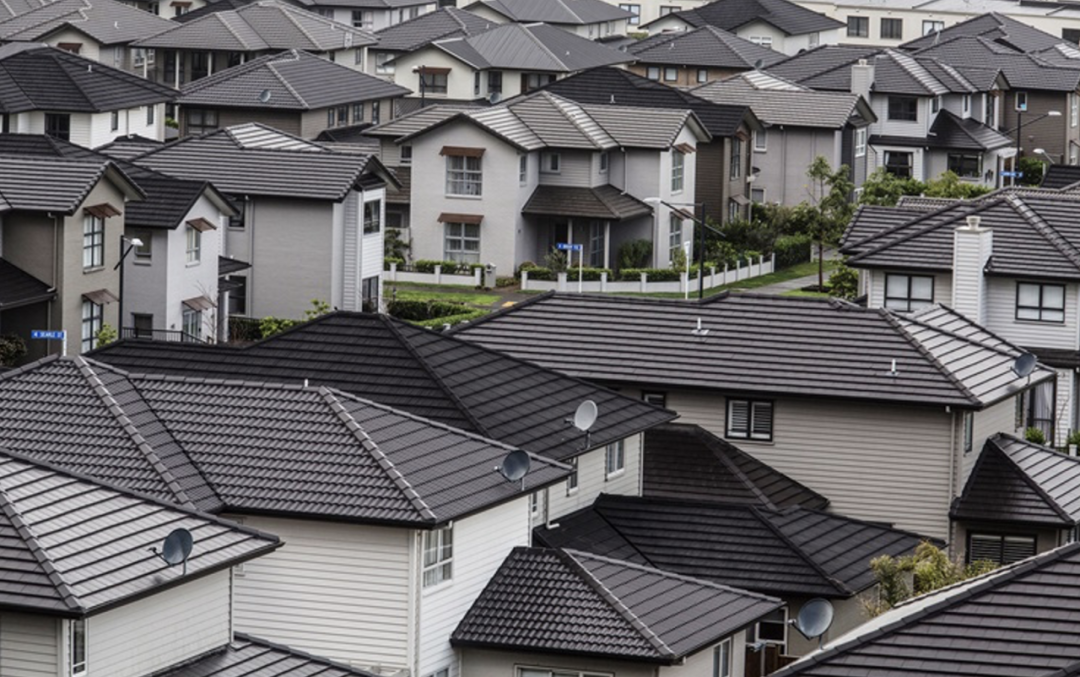
Housing density in Auckland’s Stonefield area will increase at an accelerating pace over the next decade
McKay expects both expensive and affordable townhouses and apartments to be popular. Price considerations mean there will be demand for properties of varying quality, provided they are reasonably priced. He agrees with Farhi that fewer owner-occupiers will buy homes needing DIY renovation. People often think they can sand floors or paint walls, but reality frequently falls well short of their ambitions. Demand may therefore concentrate on properties that have already been renovated.
Given demand for such properties, McKay also predicts more property investors will carry out quick renovations: replacing carpets, refreshing kitchen cupboards and applying a coat of exterior paint before putting homes back on the market. He has observed growing diversity in New Zealand’s property market and stresses that these predictions primarily concern white and middle-class people.
He believes New Zealand’s diverse population is generating greater demand for different types of housing and specifications. In Auckland in particular, there are more Pacific and Asian families, alongside greater demand for multigenerational living. Some groups, for example, prefer larger back gardens where they can grow the plants they like.