
Industry shock as Fletcher Building posts a huge loss and its chief executive resigns: what has gone wrong at the construction giant?
By last Wednesday evening, Fletcher Building's share price had fallen to NZ$3.61, down 20% from a year earlier.
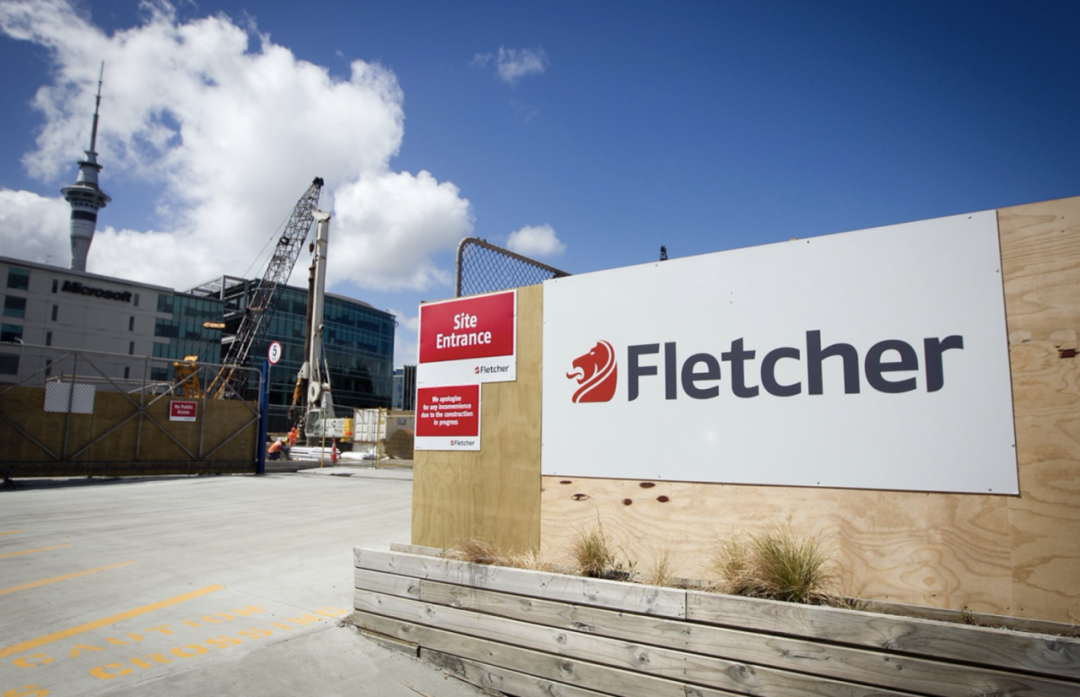

 Fletcher Building chief executive Ross Taylor, who has tendered his resignation
Last Wednesday, stunning news broke in New Zealand's construction industry as industry giant Fletcher Building's chief executive Ross Taylor announced his resignation. He also announced a net loss of NZ$120,000,000 for the first half of the current financial year and lowered the company's full-year earnings forecast to NZ$540,000,000–640,000,000, about 20% below market expectations. The losses included a NZ$165,000,000 provision for additional construction costs and insurance issues arising from difficulties with the New Zealand International Convention Centre project, and a NZ$122,000,000 asset impairment relating to its Australian Tradelink business.
Taylor blamed a trading environment that had “materially weakened”, particularly in New Zealand's residential sector. He reportedly gave the board 6 months' notice before publicly announcing his resignation. Board chair Bruce Hassall has now also resigned.
In its half-year report, Fletcher compared actual market conditions with its earlier forecasts. New Zealand's residential market had fallen by about 20%, against a forecast of 12%. The commercial and infrastructure market had declined by 7%, compared with an initial forecast of 4%. Overall, New Zealand's building materials and distribution market had fallen by 15%, against an initially expected decline of just 8%.
The company has also faced criticism from various quarters for failing to provide reliable information to the market promptly.

Michael Sherrock, an equity portfolio manager at Nikko Asset Management, questioned the company's disclosures. While outsiders believed Fletcher Building had provided reasonable monthly financial information, it had in fact already made a provision last week for additional convention centre costs, leaving the impression that its performance over the past half-year had been relatively good. Why, then, could the latest information not have been disclosed to the market earlier? What had gone wrong in communications with senior management? And what criteria had they used to conclude that the past half-year's performance had been good?
Simplicity founder Sam Stubbs, a Fletcher Building shareholder, also deals with the company through his construction business, Simplicity Living, and expressed his dissatisfaction as a Fletcher customer. Fletcher's market intelligence should be more accurate than any other company's, and certainly more accurate than the information gathered by the government, he said. If Fletcher were a small company, he could understand an inaccurate reading of the market, but it was an industry giant.
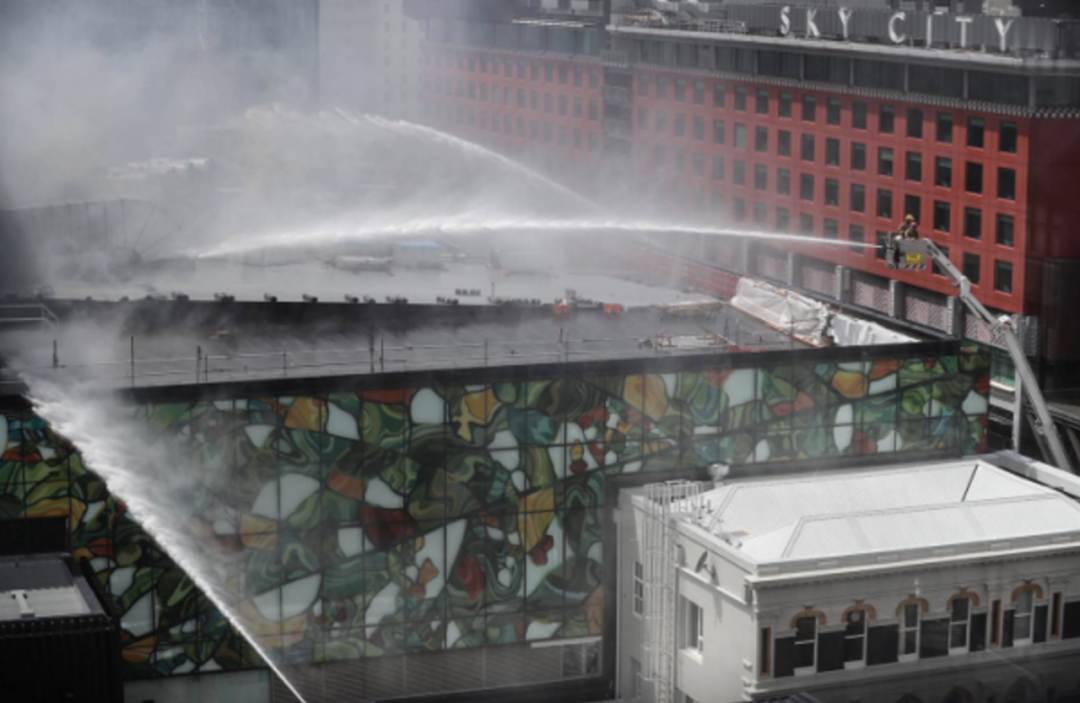 Fire broke out at the New Zealand International Convention Centre while it was under construction in 2019
Stubbs complained that Fletcher Building had delivered a steady stream of bad news to the market in recent years. A prolonged plasterboard shortage, for example, caused such disruption to the construction industry that the government was eventually forced to intervene. The company had also faced leaking residential pipes in Western Australia, while an accidental fire in 2019 delayed construction of the international convention centre by several years. Many of these problems began more than a decade ago, yet the company had failed to confront and resolve them.
He was not “happy” as either a shareholder or a customer, citing the “plasterboard crisis” as a prime example. With a 95% market share, Fletcher should know very well how to supply the market while making substantial profits. Instead, it undersupplied the market when demand was high, oversupplied it when demand was low, and built a new factory at the wrong time. He said all this pointed to a complacent attitude in the way the company was run. Even after shareholders, including more than 1,000,000 KiwiSaver members, had lost substantial investments, the board still failed to recognise that it was squandering investors' money.
By last Wednesday evening, Fletcher Building's share price had fallen to NZ$3.61, down 20% from a year earlier.

Forsyth Barr senior equity analyst Rohan Koreman-Smit said the next 12 months would be challenging, with the macroeconomic environment potentially deteriorating more than Fletcher Building anticipated. He said strong net migration and eventual interest rate cuts could bring greater stability to the housing market. However, Fletcher still faced numerous difficult issues: the Australian pipe problems remained unresolved, the convention centre was unfinished, management urgently needed to change, and debt on the balance sheet was set to rise…
Auckland University of Technology construction expert John Tookley also expressed concern. He believed Fletcher Building's difficulties threatened the health of New Zealand's economy and reflected problems throughout the country's construction industry. All construction projects were financed through borrowing, he said, and rising interest rates and borrowing costs had affected every business in the industry to varying degrees, with Fletcher Building hit somewhat harder. However, he said the company had considerable strategic capacity and could move funds from other parts of its business to support areas that needed them. “That will put them in a favourable position. They certainly have the ability to work their way out of these difficulties.”