So many pitfalls: can employers still recruit overseas? Is migration through a work visa reliable? An immigration officer explains how to respond!
“I just wanted to hire someone to do an honest day’s work. Surely I can dismiss a worker who is gaming the system?!”

With increasing reports of migrant worker exploitation (click to read), legal liability has become a major concern for employers recruiting overseas. Many employers facing complaints may feel unfairly accused: “I just wanted to hire someone to do an honest day’s work. Surely I can dismiss a worker who is gaming the system?!”
Meanwhile, people seeking opportunities through skilled migration are also questioning the reliability of this pathway and possible future changes: “Is migration through a work visa still viable? Is the accredited employer system facing a major overhaul? Is going to New Zealand for work really a dependable option?”

Immigration New Zealand (INZ) is currently investigating recently exposed cases of worker exploitation and will upgrade its IT systems to handle large application volumes. The signs suggest that current visa processing conditions, including the Accredited Employer Work Visa (AEWV) policy, may continue for some time. However, some changes could affect both employers and migrants:
|
|


|

Are the workers really reliable?
Is your industry’s peak season approaching, but you cannot find suitable staff locally? Are you keen to contact a labour recruitment agency to source workers quickly? Employers must take care: verifying that workers are genuine is crucial. Employers are advised to use a more thorough recruitment process, including multiple interview rounds and unscheduled checks, such as impromptu phone interviews and rigorous reference checks. Detailed questions specific to the industry can further establish whether a candidate is suitable and genuine.
Remember, many applicants have received standardised coaching on their CVs and interview answers. The more alert you are, the easier it will be to spot inconsistencies.
Ask yourself: do you really need this many workers?
Many employers may indeed be busy, but business owners are not professional business consultants, and accurately assessing staffing needs can be difficult. Misjudging workloads and labour requirements can increase costs, including potentially unnecessary overseas recruitment. After all, it can be hard to see the full picture when you are immersed in it.

Plan the visa application process carefully
When applying for visas for multiple roles or individuals, staggering applications can help manage business cash flow effectively. This approach supports smoother operations and aligns with professional advice on sustainable business growth. But how should applications be staggered, how far apart should they be, and how can efficiency and approval rates be maximised? These questions can leave business owners overwhelmed, especially when their everyday work is already exhausting. The advice remains: leave specialist work to specialists to save effort, worry and money.
These strategies may sound simple, but they require time, effort and professional assistance. Employers who want to grow their businesses must prepare thoroughly and understand how to act effectively within the current policy environment. If you are worried about your employees’ visas and want a comprehensive visa application plan, you are welcome to contact Sonny for help.
Seeking professional help can reduce risk and save money in the long run. After all, a court appearance can be both upsetting and costly. Although the challenges may seem daunting, staying informed and well prepared can help everyone minimise legal risks and adapt to policy changes more easily and confidently. As Sonny says: no system is perfect, but we can always find better ways to adapt to it.
Tip: Professional advisers generally prefer to provide legal assistance before a situation becomes complicated, as this makes it easier for them to monitor risks.
About the expert:
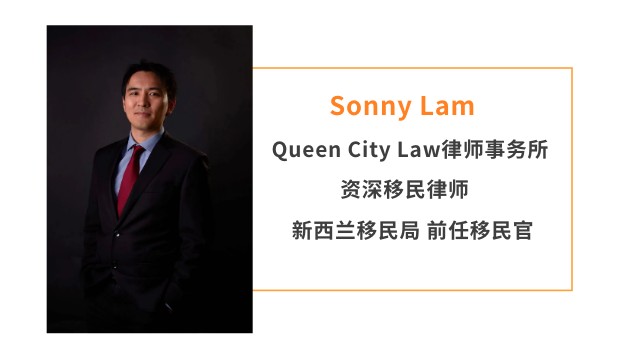
Sonny Lam is a consultant lawyer at Queen City Law. He has worked in employment and immigration since the last global financial crisis. He began in employment disputes before becoming an immigration officer at the Ministry of Business, Innovation and Employment, returning to private practice in 2015. He specialises in niche areas of immigration and employment work. His clients range from major international businesses with New Zealand subsidiaries to individual applicants seeking to settle in New Zealand.
Scan the QR code to enquire further