Hidden complexities! How do you read a property title before buying in New Zealand? This section is crucial!
Buying a home involves more than the building itself: you also need to consider the land it stands on. This makes it all the more important to choose a property that truly suits you and understand the costs and returns involved.
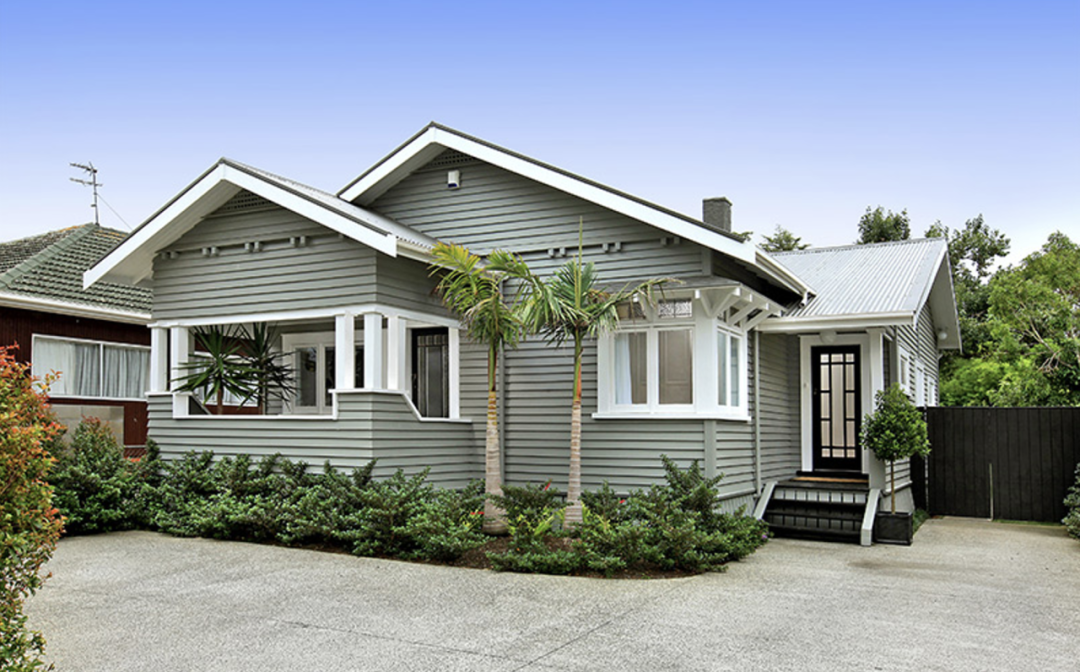
Thinking back to when you first arrived in New Zealand, were you drawn to its distinctive homes and looking forward to owning a property here? Buying a home, however, involves more than the building itself: you also need to consider the land it stands on. This makes it all the more important to choose a property that truly suits you and understand the costs and returns involved.

Image source: RNZ
The four most common types of property ownership encountered when buying in New Zealand are freehold (fee simple), leasehold, unit title and cross lease.
This information appears on an important document used when buying or selling property, formally called a Certificate of Title and commonly referred to as the title. Some vendors will provide this document before you buy. You can also visit the Land Information New Zealand website to look up electronic title records for a property you are interested in, including current and historical titles and other comprehensive information.
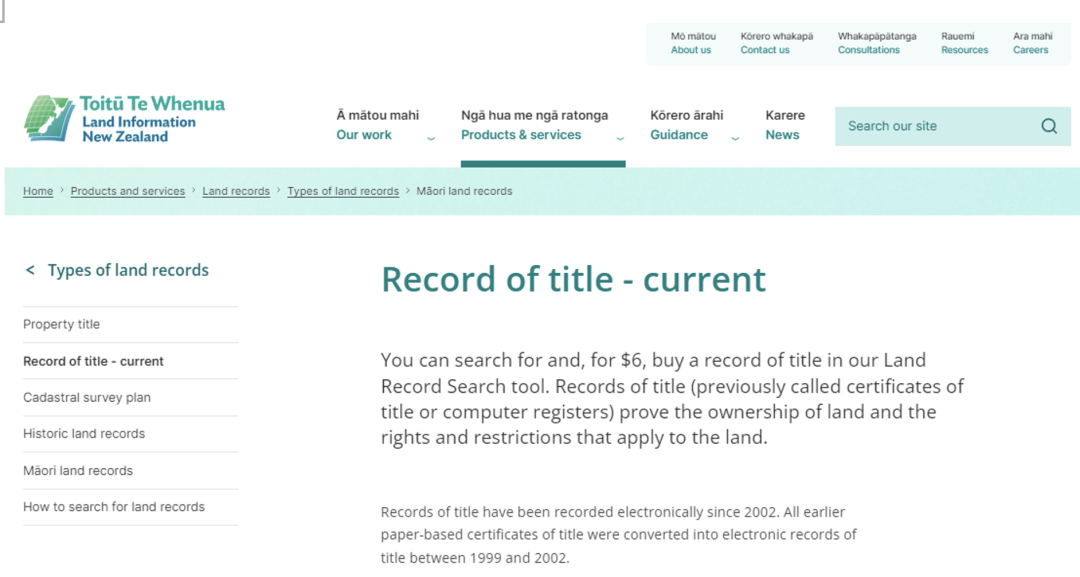
www.linz.govt.nz/products-services/land-records/types-land-records/record-title-current
A title contains the following information:
|
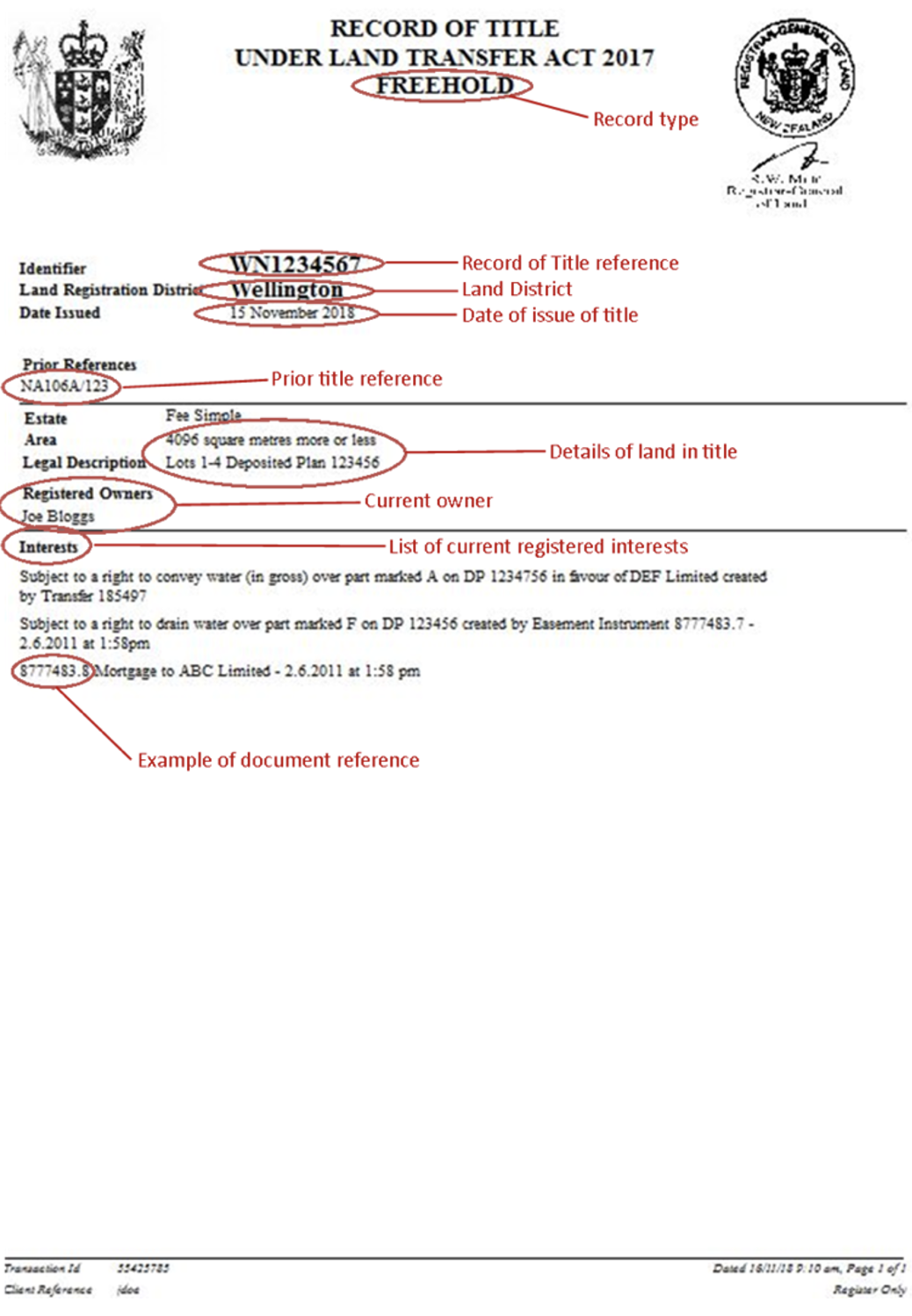
So how should you interpret this information? Start by becoming familiar with the four main ownership types, identified by the most prominent word on the title.

What you need to know about freehold ownership:
|
Freehold ownership, also called fee simple (absolute ownership) in New Zealand and commonly described in Chinese as a “full section”, is the most common and simplest form of ownership.
If you own a freehold property, you can own the land you purchase independently and indefinitely, along with any property built on it.
Interests that may restrict your use of the property include:
|

What you need to know about leasehold ownership:
|
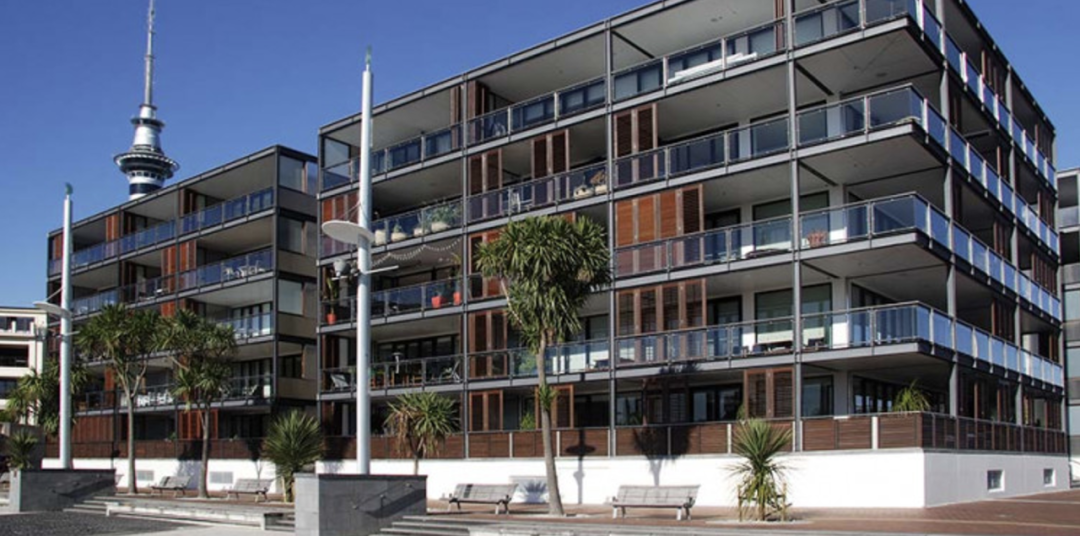 Image source: Westpac
Leasehold means someone else owns the land and you pay rent to them. Under the terms of the lease, you purchase the exclusive right to use the land and its buildings for a specified period. In some cases, you may own the buildings or other improvements on the land.
If you buy a home on leasehold land, the lease will stipulate that:
When the lease expires, you must return the land and buildings to the freehold owner under the conditions specified in the lease. If you sell during the lease term, you must transfer the lease to the buyer as well. Ground rent may change and usually increases. Rising ground rent and a shorter remaining lease term may affect your ability to sell your leasehold interest in future. You are advised to consult a professional real estate agent before purchasing a leasehold property.

What you need to know about unit title ownership:
|
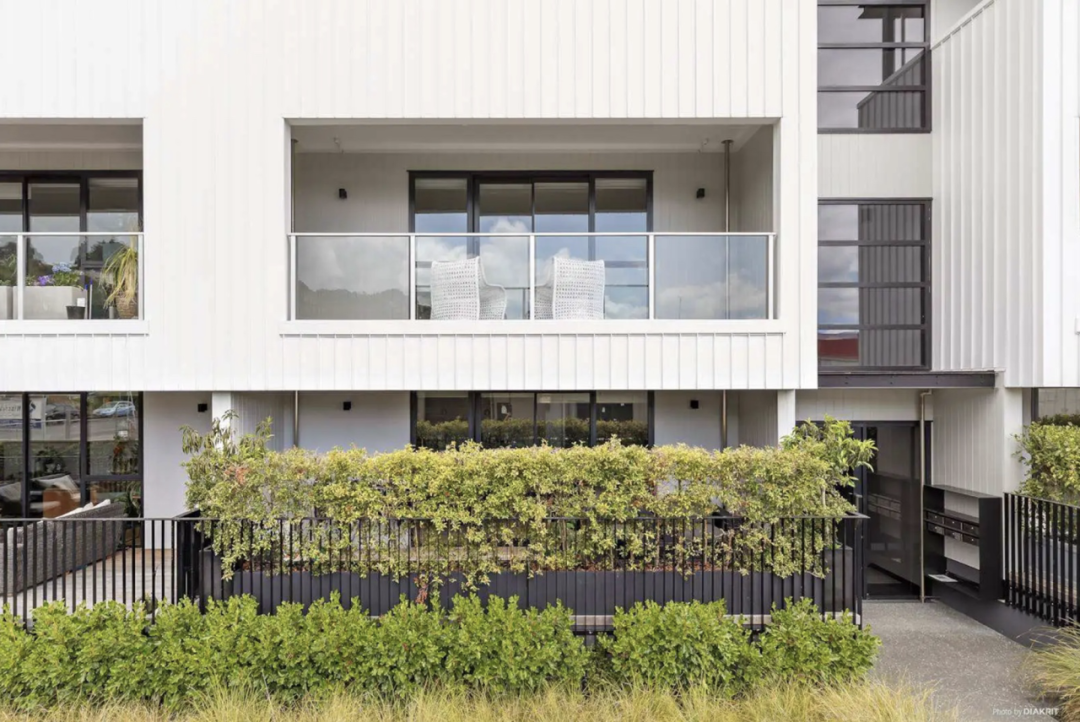 Image source: Oneroof
Unit title ownership, also known as strata title or a stratum estate, is most common in properties with multiple owners, such as apartments or townhouses. As an owner of this type of property, you automatically become a member of the body corporate, which comprises all unit owners. Owners usually have their own individual units, while the building’s common areas are shared and managed by the body corporate.
As a unit owner, you have the following interests:
|

What you need to know about cross lease ownership:
|
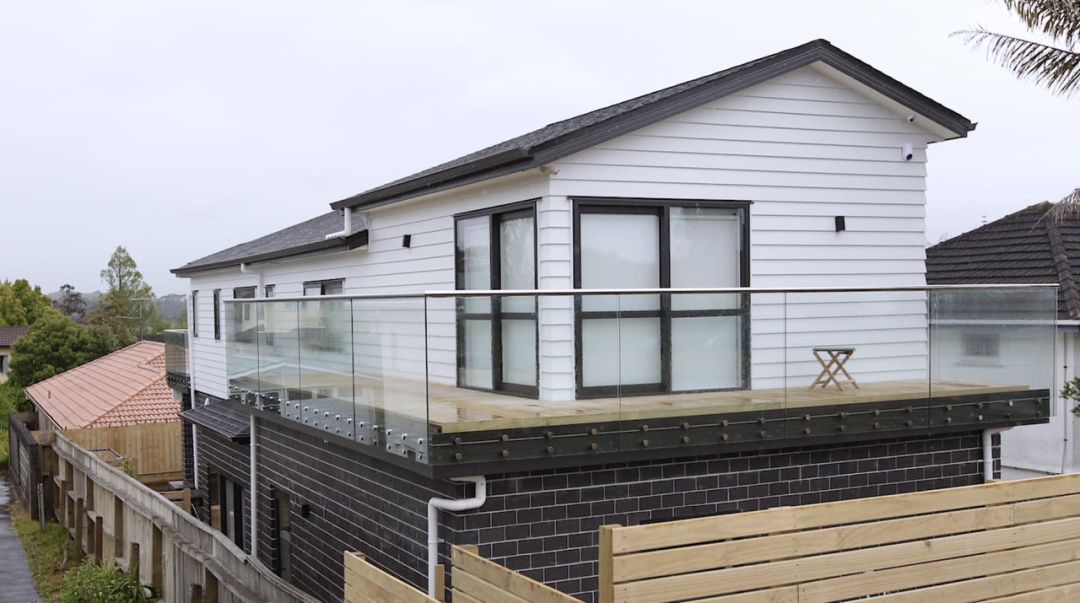 Image source: NZ Herald
Cross lease ownership, commonly described in Chinese as a “half section”, is a legacy of New Zealand’s history. A simple way to understand the “cross” arrangement is that your neighbour borrows half your land and you borrow half theirs. The building may belong to you, but you and your neighbour jointly own the land.
If you own a cross lease property, you hold two interests:
|
Cross lease ownership usually means you must obtain consent from all or most owners before making any alterations to exclusive-use areas, such as the building you occupy or your separate garden, or to shared areas. Depending on the specific terms, you may need the other owners’ consent to paint the exterior of your home, make other non-structural alterations, build a deck or put up a fence. The terms of your leasehold interest may also impose restrictions on how you use the property.
Cross lease is a relatively complex form of ownership. Before buying, you are advised to speak with a professional real estate agent to understand as fully as possible the terms and legal provisions that affect you.

After reading the information above, it is easy to see why people favour freehold ownership for its freedom and simplicity. In practice, however, a large proportion of New Zealand’s existing properties have other ownership types, and each property has its own circumstances and restrictions. Depending on affordability and individual needs, every ownership type has its own buyers.
Towards the bottom of a title, the Interests section lists restrictions affecting the property and land. Even freehold properties may have restrictions. These may include consent notices required by the council, land covenants registered by developers or under private agreements, debt claims, easements and setback requirements between a house and the road boundary. If you overlook this section when buying, you may never know what pitfalls the property holds. These could include conditions governing a shared driveway or restrictions preventing subdivision even though the property is zoned for medium-density development.
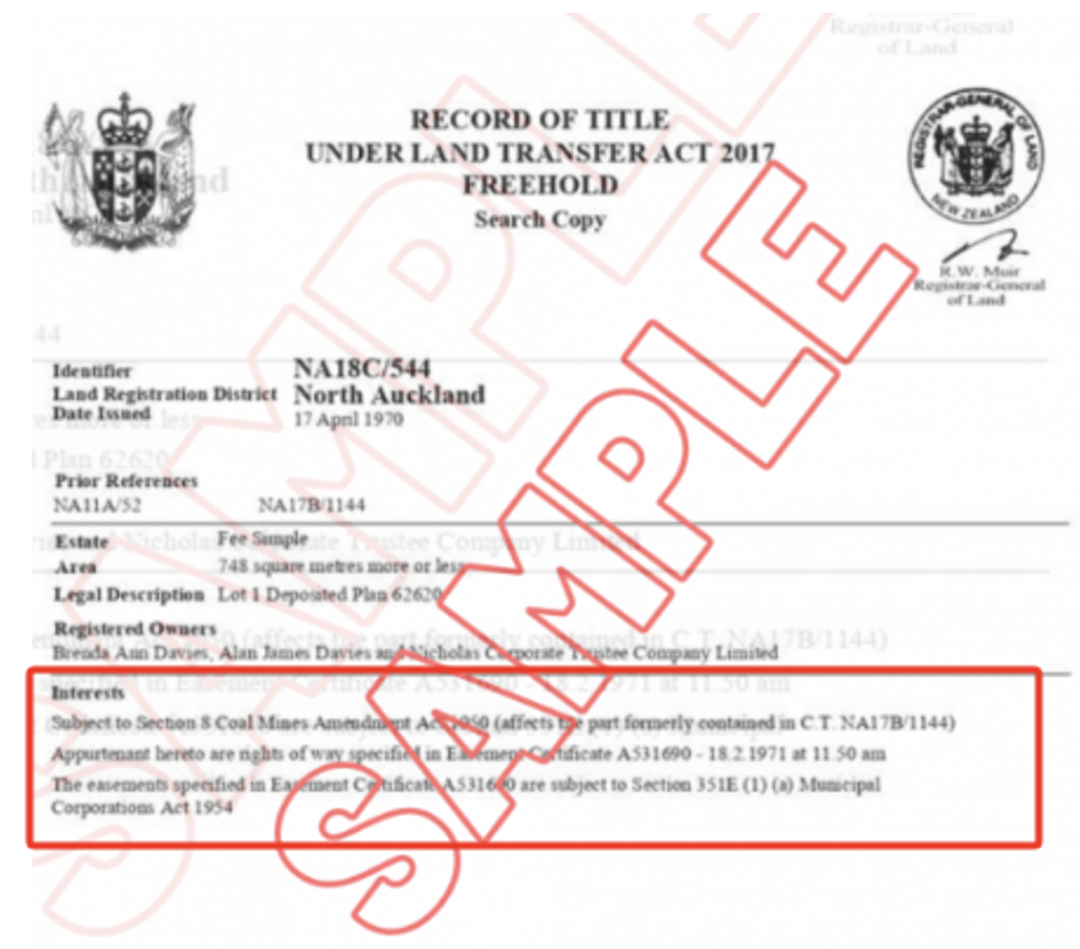
Conversely, if you can accept the restrictions on a property that is not freehold and it offers irreplaceable advantages in school zoning, price or location, you can certainly make a decision after consulting a professional. Barfoot & Thompson’s experienced property sales specialists have many years of expertise. You are welcome to visit any branch for advice.