Prime real estate, close to everything: Auckland’s urban elite live here! Why does the CBD attract so many home buyers?
Auckland is New Zealand’s most vibrant metropolis: a centre of business and culture, and a haven for countless people pursuing their dreams. Its central business district (CBD) is undoubtedly the city’s soul, an area where every inch of land truly commands a premium.
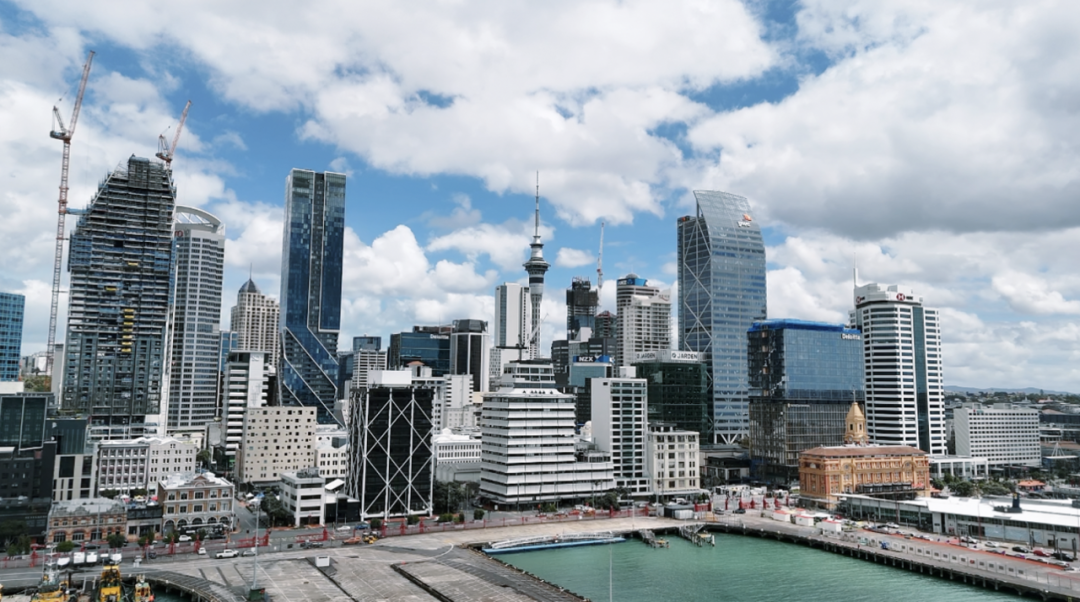
Traditionally, the CBD, with its many apartment buildings, seemed better suited to investors. Today, however, growing numbers of owner-occupiers are choosing to buy and settle here. What makes Auckland’s CBD such an attractive place to live? YIJU invited property professionals working on the ground to offer their insights.

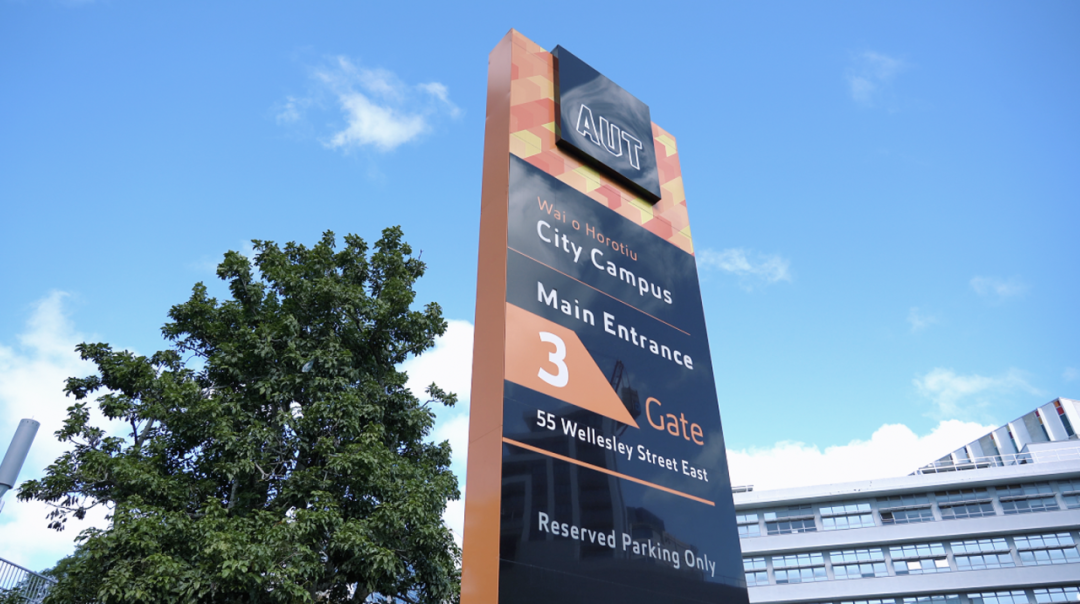
For office workers and students with busy commutes, living directly in the CBD can make more sense than living in one of the many areas described as ‘close to the CBD’.
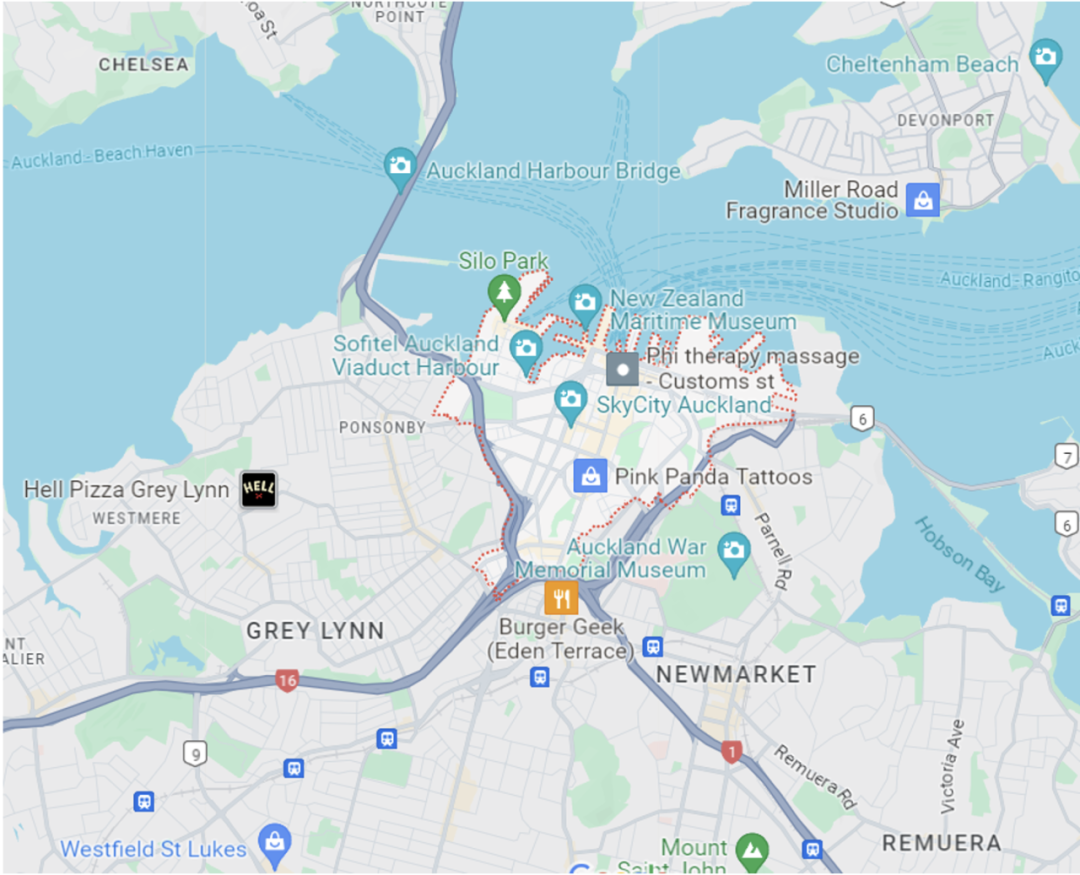
Auckland’s CBD sits at the heart of the city, with wharves and the Harbour Bridge to the north and easy access south to many other areas. Yet city-centre residents may not even need to travel more than 10 minutes from home, because everything they need is close at hand.
Alongside its many office buildings, the area is home to educational institutions such as the University of Auckland and Auckland University of Technology, not to mention bars, restaurants, shops, cinemas, art galleries and Sky Tower and other famous attractions, all within walking distance.

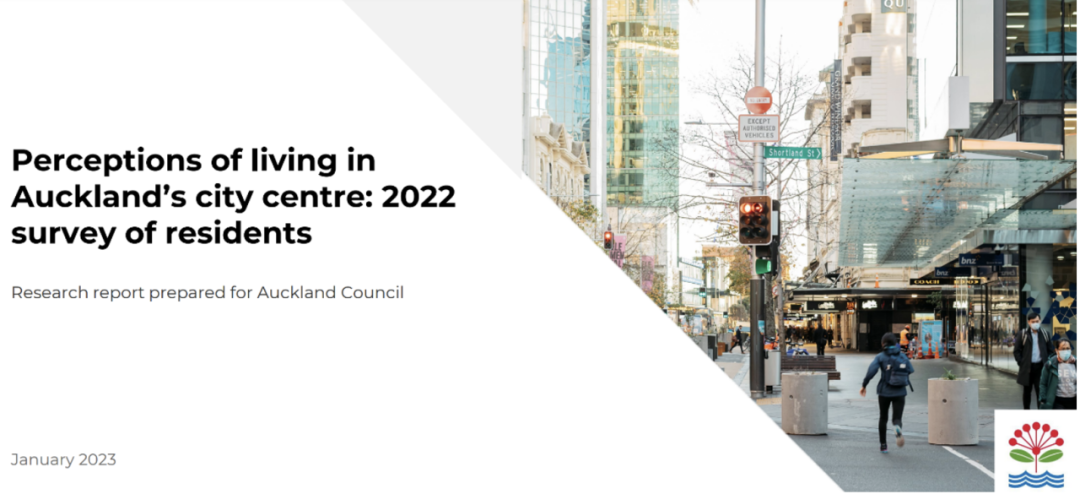
Auckland city life is vibrant and cosmopolitan. According to a survey report released by Auckland Council in January 2023, more than half of current residents (55%) enjoy living in the city centre, particularly those in the Viaduct / Wynyard Quarter and Karangahape Road / Greys Avenue areas.
Their main reason for choosing to live in the city centre is convenience, including proximity to shops, restaurants and workplaces. For younger people, this also includes being close to their place of study and having less need for a vehicle. These residents enjoy access to a wide range of amenities and the city-centre lifestyle.
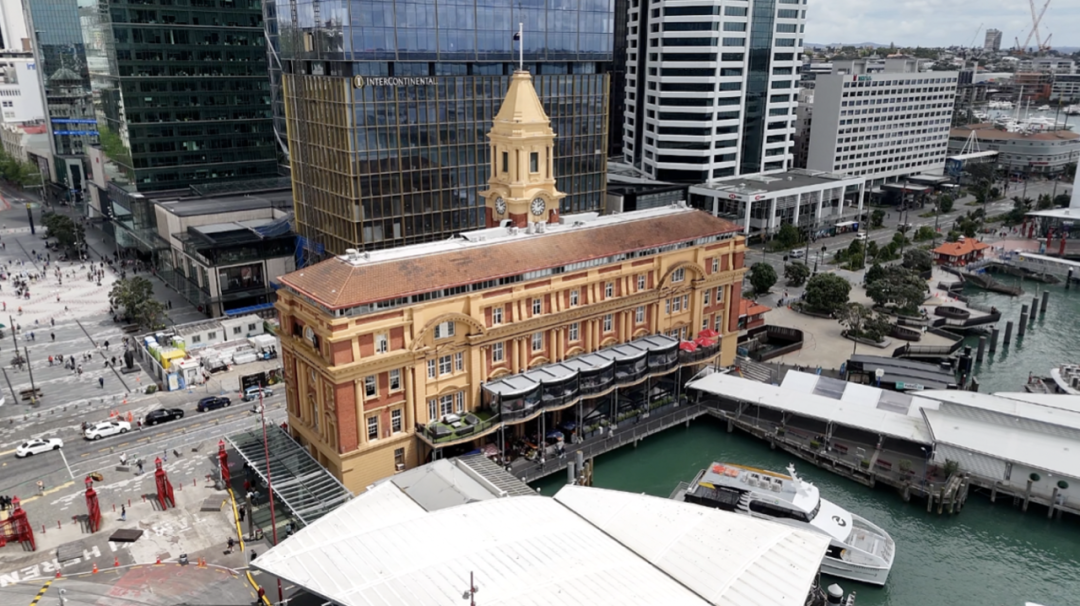
For travel to other areas, the CBD also offers excellent transport connections. Bus, train and ferry services all converge here, making it easy to step outside and travel across the city for everyday needs.
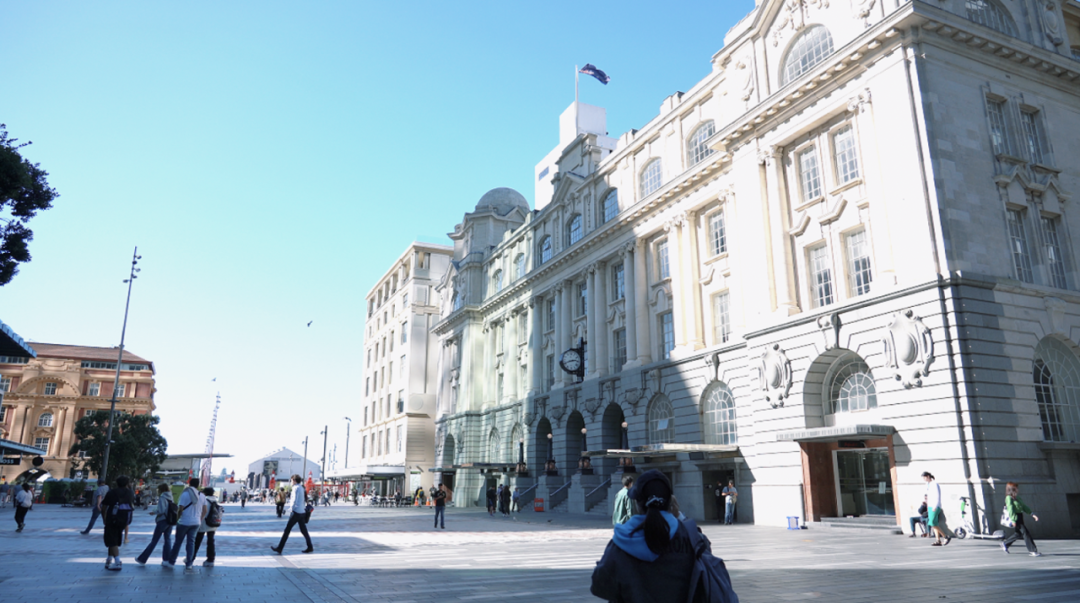

Land in Auckland’s CBD commands a premium, and apartments make up the main housing options. Statistics indicate that there are more than 21,000 apartments here. Including the fringe areas brings the total to more than 30,000.
A survey of families with children found that they saw the main benefits of apartment living in Auckland’s CBD as convenience (proximity to work, schools and amenities), affordability (relatively low purchase prices and mortgage pressure), more time (less commuting and cleaning), and security (controlled building access, 24-hour reception services and so on).
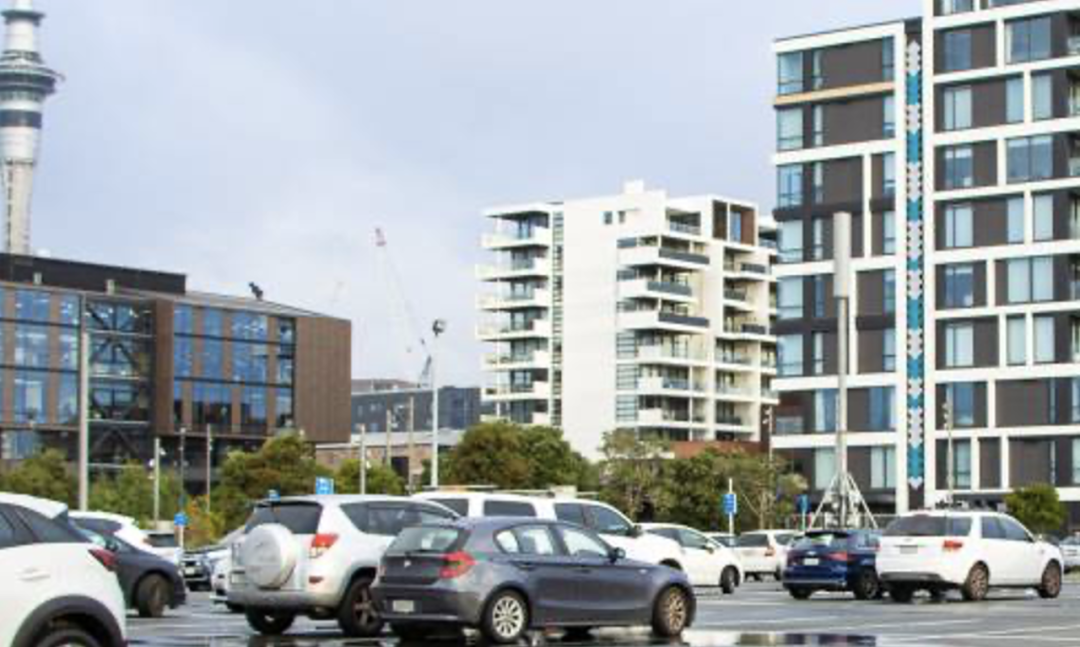
Image credit: Heart of the City
Apartments also clearly demonstrate the investment potential that comes with location. Students and office workers choosing to live in the CBD tend to prefer one- or two-bedroom apartments. This extends beyond renting, with growing numbers of buyers now looking to purchase city apartments to live in themselves.
YIJU New Zealand interviewed experienced Barfoot & Thompson real estate agents Luke Shi and Alexander Kramarenko to discuss the realities of the CBD property market.
 |
 |
|
Luke Shi Residential Sales Barfoot & Thompson City Branch |
Alexander Kramarenko Associate Salesperson Barfoot & Thompson City Branch |

Answer: Statistics indicate that Auckland’s CBD has more than 21,000 apartments. Including apartments in the fringe areas brings the total to more than 30,000. The CBD apartment market has remained vibrant, reflecting the city’s development and population growth. Over the past decade, many apartment buildings have been constructed in Auckland’s CBD, from low-rise to high-rise developments, each containing multiple apartments. Recently completed premium residential developments include Antipodean on Beach Road, Library 27 beside AUT, The CAB and The Pacifica on Commerce Street. Seascape on Customs Street is under construction and, once completed, will become New Zealand’s tallest apartment building.
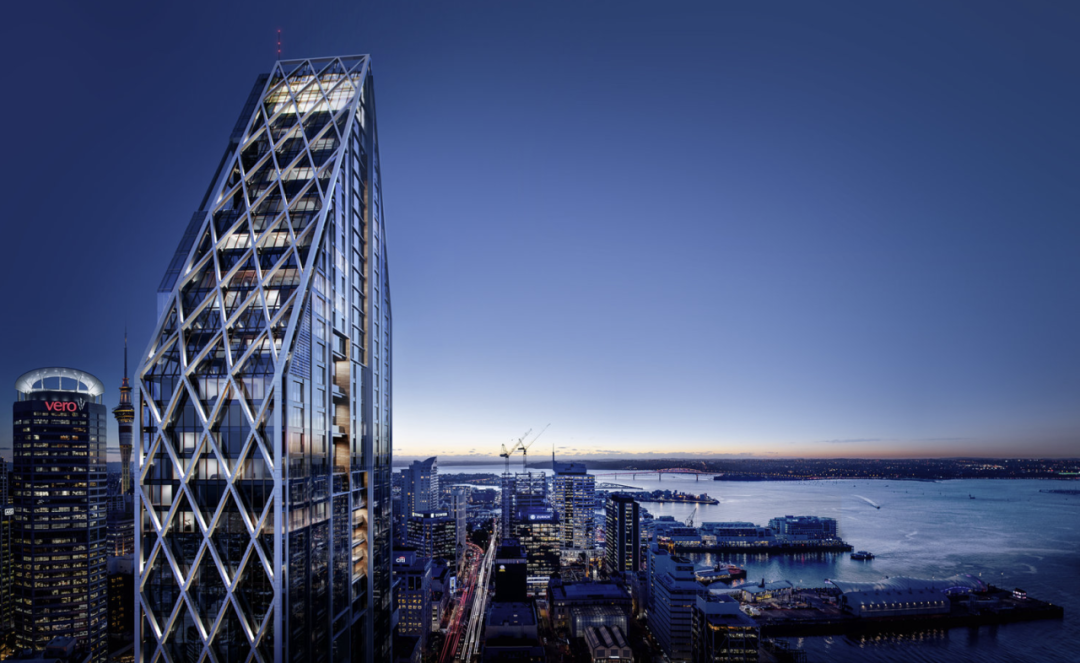
Image credit: Seascapeauckland.co.nz
Auckland’s CBD is divided into distinct areas, each with its own residential, commercial and entertainment offerings. These include the well-known Wynyard Quarter, Viaduct Harbour, Britomart and waterfront areas around the city centre. Many owner-occupiers and investors in these areas use their properties for short-term rentals through platforms such as Airbnb to generate good investment returns.
The city-centre area near the universities is among the CBD’s most popular and affordable locations, and students are particularly keen to rent here. For purchases, the area attracts first-home buyers, parents buying accommodation for their children to live in while at university, and investors seeking steady rental income throughout the year.
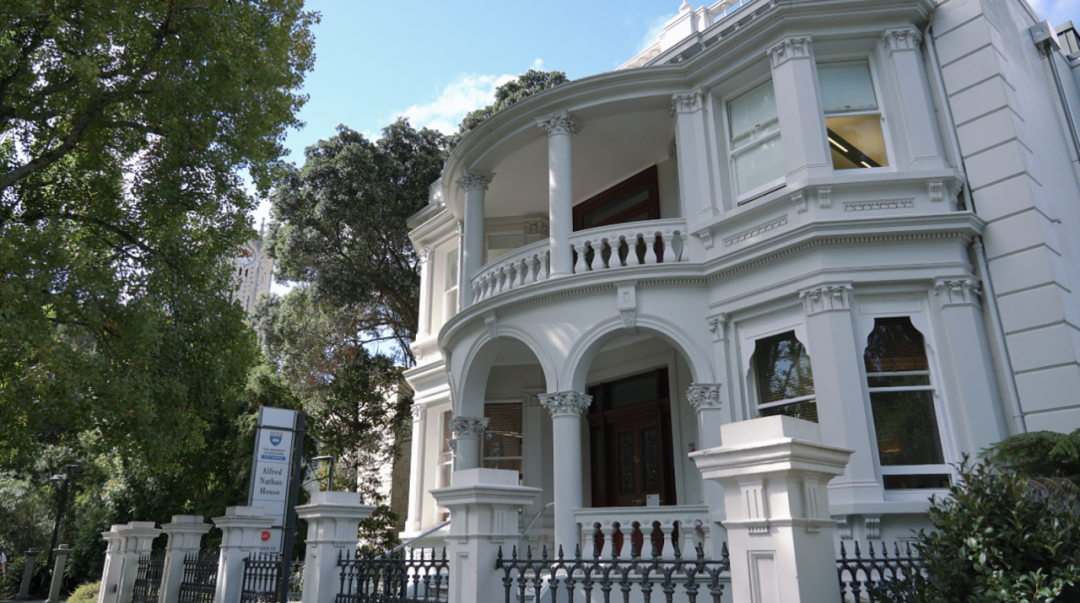
Meanwhile, around Upper Queen Street near K’ Road and Eden Terrace, we see more owner-occupiers, as the area offers convenient motorway access for travel from the CBD to anywhere else.
Auckland’s CBD is known for its high concentration of apartments, particularly in its core. Towering buildings define the skyline, giving this compact, vibrant urban area its distinctive character. Convenient city-centre living, proximity to a wide range of amenities and a rich cultural calendar attract residents seeking the ease of urban life.
Apartment prices in Auckland’s CBD depend on factors such as location, bedroom count, floor area, amenities and construction quality. One-bedroom freehold apartments generally range from NZ$300,000 to NZ$800,000, two-bedroom apartments typically range from NZ$500,000 to NZ$1,500,000, and three-bedroom apartments typically range from NZ$800,000 to several million dollars. A car park adds approximately NZ$100,000 to the price.
Answer: As at the end of February this year, the average residential sale price in central Auckland was NZ$564,826, up approximately NZ$20,000 on the same month last year. Two-bedroom layouts are the most popular, with average rents for two-bedroom apartments reaching NZ$645 per week. Barfoot & Thompson currently has approximately 33% of the Auckland CBD market.

Answer: Returns on investment (ROI) for CBD apartments can vary depending on the property’s specific characteristics. Smaller apartments, such as 1–2 bedroom units under 50 square metres, generally tend to generate higher overall returns than larger apartments.
Investors seeking properties purely for investment could consider buildings near the universities and in the city centre. Properties in these locations are popular with students, attract strong demand and may generate higher rental returns. Some CBD buildings also permit short-term rentals such as Airbnb, with particularly attractive rates during peak periods such as summer. For example, a waterfront one-bedroom apartment measuring 50–60 square metres can command NZ$200 to NZ$300 per night on Airbnb during peak season.
Apartments have traditionally been viewed primarily as investments, but improved transport and everyday amenities are encouraging more owners to live in the CBD. The expansion of the CBD and construction of more skyscrapers have increased the area’s appeal to both investors and residents.
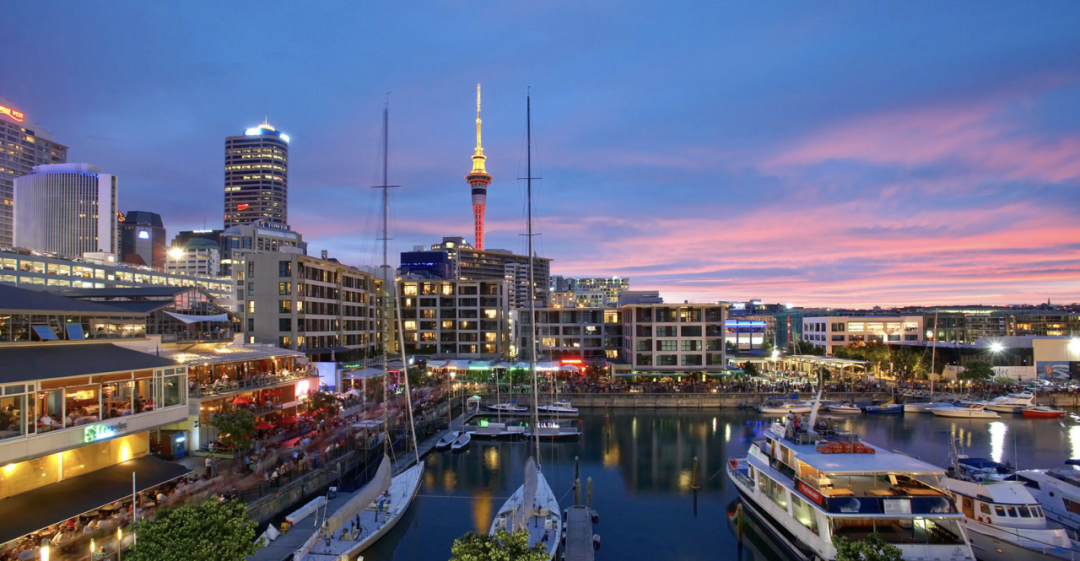
Image credit: newzealand.com
Answer: Leaking apartments in Auckland’s CBD have long been a topic of discussion among buyers and property investors. Some older apartment buildings have experienced, or are currently experiencing, some form of water ingress.
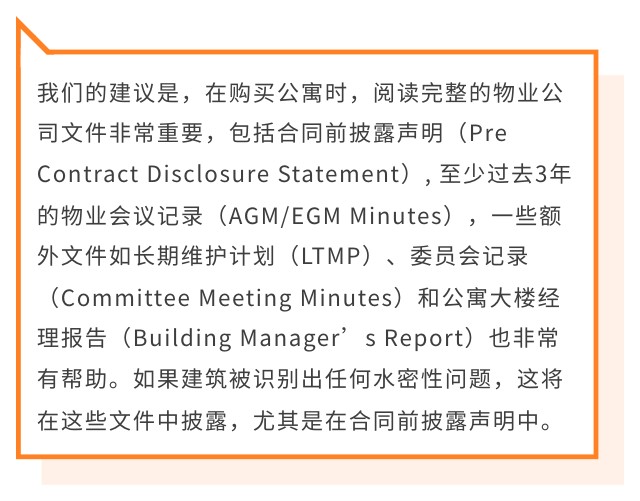
Apartment buyers should also seek guidance from experienced real estate agents and legal professionals specialising in unit title(Strata Title) properties to manage potential risks. While water ingress can present challenges for apartment buyers, proactive measures and informed decisions can help mitigate these risks and help you secure a rewarding long-term investment in Auckland’s CBD property market.