
Shock announcement! Government scraps First Home Grants from today as Reserve Bank holds OCR steady. Will buying a home become harder?
This is the seventh consecutive time the Reserve Bank has held its cash rate unchanged over the past year.


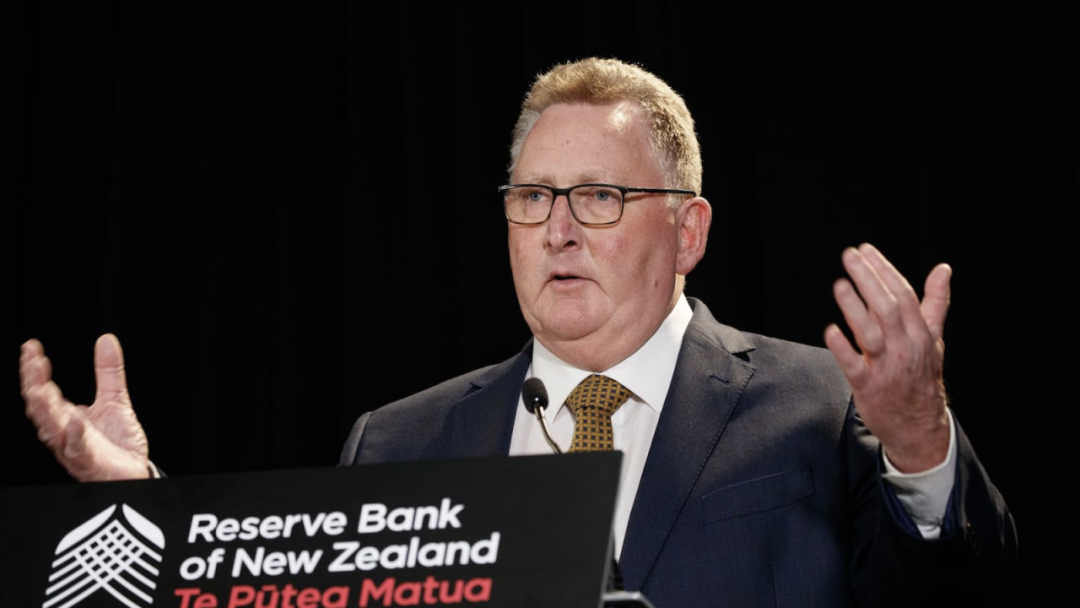
Reserve Bank of New Zealand Governor Adrian Orr
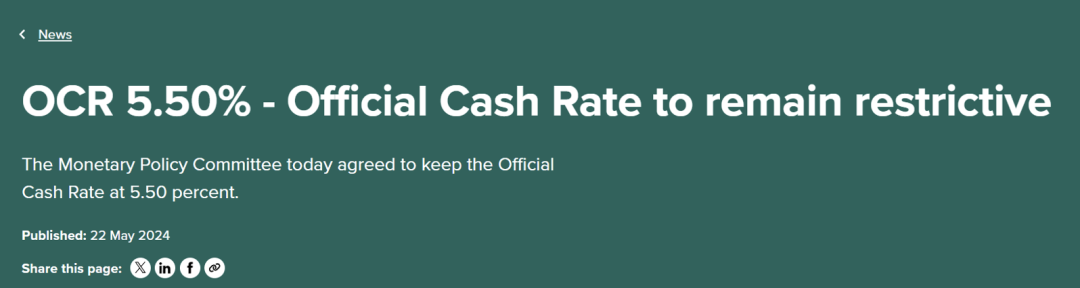
The Reserve Bank of New Zealand announced this afternoon that it would hold the Official Cash Rate at 5.5%. Although the decision met market expectations, it still disappointed many borrowers.
This is the seventh consecutive time the Reserve Bank has held its cash rate unchanged over the past year. Committee members agreed that monetary policy needed to remain restrictive to ensure inflation returned to the target range within a reasonable timeframe.
The Reserve Bank of New Zealand said restrictive monetary policy had eased capacity pressures in the New Zealand economy and reduced consumer price inflation. Annual consumer price inflation is expected to return to the committee’s target range of 1% to 3% by the end of 2024.
The committee also referred to the forthcoming Budget. Current indications of reduced government spending are expected to continue contributing to weak aggregate demand. The forthcoming Budget’s potential effects on government spending, or on household spending resulting from tax cuts, remain to be assessed.
The Reserve Bank of New Zealand’s forecast for cuts to the Official Cash Rate remains largely unchanged. It still expects no reduction before the second quarter of next year.
Generally, how much the government spends and what it spends the money on are key factors in whether the economy and inflation heat up or cool down. The previous Labour government’s increased spending was blamed for adding to inflationary pressure. The National-led coalition government’s response has been to make substantial savings by halting programmes and cutting jobs, while also introducing tax cuts.
So far, the Reserve Bank of New Zealand has remained neutral on the new government’s actions and statements. The new government’s Budget will not be released for another week, which is also seen as a reason for the Reserve Bank’s caution.

Since the Reserve Bank of New Zealand’s last monetary policy review, in month 4, inflation has been slightly above its forecast, while the labour market has been weaker. The Reserve Bank has consistently maintained that inflation must not only enter the 1–3% target range, but remain there for an extended period before it will consider cutting the OCR.
Kiwibank chief economist Jarrod Kerr said so-called “non-tradables”, such as rents, interest rates and insurance, remained a concern. Their annual rate of increase was close to 6%, and they were less susceptible to pressure from high interest rates. Domestically generated inflation remained too high, while imported inflation was falling rapidly.
Reserve Bank of New Zealand head of research Stephen Toplis said the “real economy” might be performing worse than the Reserve Bank of New Zealand expected and would continue to deteriorate, causing unemployment to rise faster and wages to fall. The Reserve Bank’s monthly manufacturing and services surveys showed both sectors had been contracting for most of this year. Annual GDP growth would remain negative for most of 2024, potentially with an even deeper contraction than currently expected. Similarly, despite a surge in immigration, retail sales were still down about 4% from a year earlier, and consumer confidence was at its lowest in years.
Jarden Wealth economist John Carran said he did not rule out the Reserve Bank of New Zealand making some allowance for the deteriorating economic environment and revising its interest rate forecasts. He recommended that it bring forward rate cuts to before 2025.

Recent media reports revealed that the New Zealand government would end its support for the First Home Grants scheme and instead direct more funding towards social housing. This afternoon, New Zealand Housing Minister Chris Bishop confirmed the reports, announcing that the First Home Grants scheme would be scrapped and applications would close from 22 May.
Bishop said the move was expected to free up around NZ$245,000,000 over four years. He also announced NZ$140,000,000 to build 1500 new social homes. He considered the First Home Grants scheme inefficient and unlikely to significantly improve people’s ability to buy a home, so the government had decided to redirect the funding to social housing.
Yesterday afternoon, Bishop said he could assure prospective homebuyers that they were reviewing all the housing support products offered by the government. Once decisions had been made on these products, he would make an announcement. Bishop’s Cabinet colleague and New Zealand First MP Shane Jones also confirmed that the grants would be axed, saying this was a matter to be addressed in the Budget.
Notably, in 2021, while in opposition, National criticised the Labour government for not issuing enough home purchase grants. Scrapping the First Home Grants scheme now clearly runs counter to its previous housing policy. In a dramatic turn, Labour’s housing spokesperson quickly responded to the news.

Labour housing spokesperson Kieran McAnulty
Labour housing spokesperson Kieran McAnulty criticised the move, saying it would make home ownership harder for more people to achieve. He described scrapping the grants as cynical. He said plainly that some people who could previously have bought a home would now be unable to afford one. When a government announces a scheme to help people do something crucial to their lives, such as buying a home, it creates a social contract with the public, meaning it should not make any changes to it.
McAnulty added that the scheme had originally been introduced by the previous National government. It was a good idea, and Labour had expanded it. He was concerned that removing the grants while restoring interest deductibility for landlords would make it harder for renters to achieve their dream of buying their first home.
So, do you support the coalition government’s proposed removal of First Home Grants? Share your views and opinions in the comments.