
Customs seizes a large tobacco haul: will Chinese travellers face stricter checks? An experienced lawyer explains New Zealand’s entry controls
Many people will recognise the feeling: every time they enter New Zealand, they feel nervous. Even without carrying anything prohibited, facing successive Customs officers can create an inexplicable sense of pressure.
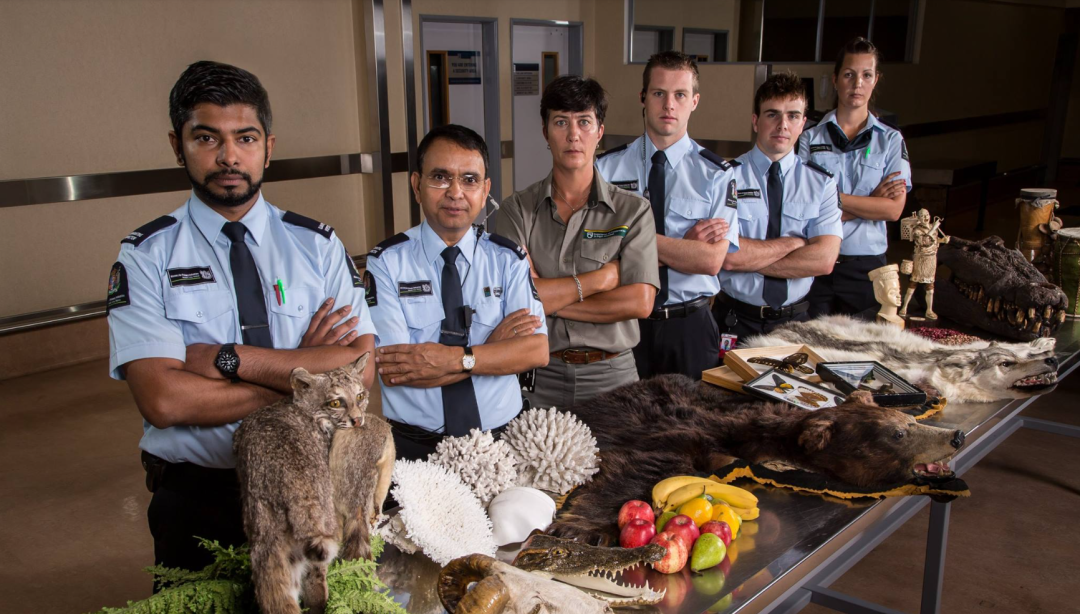
Many people will recognise the feeling: every time they enter New Zealand, they feel nervous. Even without carrying anything prohibited, facing successive Customs officers can create an inexplicable sense of pressure.
A major incident last week, in particular, may lead to more thorough checks on Chinese travellers entering the country:
According to the New Zealand Herald, Customs arrested five people after seizing smuggled Chinese tobacco worth around one million three hundred thousand dollars.
New Zealand Customs said in a news report:
| “A large amount of cash, two firearms, ammunition and further evidence were found at one person’s home. Customs investigators also found 286 black rubbish bags at a self-storage facility, containing more than 1,300,000 undeclared cigarettes. The tax evaded amounted to approximately NZ$2,000,000.” |
Lawful migrants and tourists of course need not worry, but major incidents like this do lead to stricter entry controls. Migrants on work visas, in particular, could face immediate deportation over a single misstep.
We have therefore invited a professional to explain why New Zealand’s entry controls are so strict, and how the authorities behind them formulate policies and regulate arrivals from overseas. You can also share this with friends planning to visit or work in New Zealand, so they are prepared for questions and inspections from border officers on arrival.
First, New Zealand’s border controls are actually shared among three authorities: New Zealand Customs (Custom Duty), the Ministry for Primary Industries (MPI) and Immigration New Zealand (INZ)
1. Border control
Responsible for overseeing people, goods and vehicles entering and leaving New Zealand to ensure border security. This includes inspecting and clearing imports and exports, and preventing and combating illegal activities such as smuggling, illegal immigration and drug trafficking.
2. Collecting taxes and duties
Customs is responsible for collecting customs duties, excise duties and other related taxes and charges, an important source of New Zealand government revenue. It ensures that all imported goods are correctly declared and taxed as required by law.
3. Law enforcement
New Zealand Customs has the power to enforce border-related laws and regulations, including conducting searches, seizing and impounding prohibited goods, and detaining people suspected of breaking the law. It works with other law enforcement agencies to maintain national security and public order.
MPI
The Ministry for Primary Industries (MPI) is the government department responsible for managing and promoting New Zealand’s agriculture, fisheries, food safety and biosecurity. Its main powers and responsibilities relating to entry controls include the following:
1. Biosecurity
The Ministry for Primary Industries has important biosecurity responsibilities, including preventing pests, pathogens and non-native species from entering New Zealand. This protects the country’s agriculture, horticulture and ecosystems from potential threats.
2. Animal and plant health
MPI oversees animal and plant health, preventing and controlling animal and plant diseases and pests. It develops and enforces relevant health standards and quarantine measures to maintain confidence in New Zealand’s animal and plant products in domestic and international markets.
This is why we see signs on arrival prohibiting many animal and plant products. MPI also has the authority to carry out the following activities at the border:
- Arrival inspections MPI operates biosecurity checkpoints at New Zealand’s entry points, such as airports and ports, inspecting arriving travellers’ luggage, goods and vehicles to prevent harmful organisms and substances from entering the country. This includes checking food, plants, animals and products derived from them.
- Risk assessment The Ministry for Primary Industries conducts risk assessments to identify incoming items that may threaten New Zealand’s biosecurity and takes appropriate action. It sets entry quarantine and declaration requirements to ensure high-risk items are properly managed.
- Public information and education MPI uses various channels to inform travellers and the public about the importance of biosecurity. It provides guidance on arrival declarations, helping people understand how to comply and reducing the risk of inadvertently introducing harmful species.
- International cooperation The Ministry for Primary Industries works with other countries and international organisations, sharing information and technology to address biosecurity threats jointly and safeguard global food safety and animal and plant health.
Immigration New Zealand (INZ)
Immigration New Zealand (Immigration New Zealand, INZ) plays a major role in border management. Its main responsibilities include the following:
1. Visas and entry permission:
Immigration New Zealand is responsible for issuing various types of visas, including visitor, work, student and permanent resident visas. It ensures that only people who meet New Zealand’s legal and policy requirements can enter the country.
2. Arrival checks:
Immigration New Zealand has staff at the country’s main entry points, such as airports and ports, to check arriving travellers. This includes verifying identities and checking visas and entry permission to ensure arrivals meet entry requirements.
3. Preventing and controlling illegal immigration:
Immigration New Zealand is responsible for preventing and controlling illegal immigration, including identifying and dealing with people who enter illegally, overstay or breach their visa conditions. It works with other law enforcement agencies to ensure illegal immigration is effectively controlled.
4. Enforcing immigration laws
Immigration New Zealand has the power to enforce immigration-related laws and regulations. This includes investigating and dealing with immigration fraud, forged documents and other unlawful activities to uphold the integrity of New Zealand’s immigration system.
5. Managing refugee and asylum applications
Immigration New Zealand manages refugee and asylum applications, reviewing and assessing applicants’ eligibility to ensure international humanitarian obligations are met.
6. Cooperation between agencies
Immigration New Zealand works closely with the New Zealand Customs Service and other government departments to ensure effective entry controls. This cooperation includes sharing information, joint operations and jointly developing policies to ensure border security and the effective operation of the immigration system.
7. Public information and advice
Immigration New Zealand provides information and advice on visa applications, entry requirements and immigration policies, helping the public understand and comply with the relevant rules.
8. Data analysis and policy development
Immigration New Zealand conducts data analysis and research to inform the Government’s development and adjustment of immigration policies, ensuring they meet New Zealand’s economic and social development needs.
Understanding the different tasks and responsibilities of these three agencies at the border helps explain why entering New Zealand involves successive checks, and even dogs working as part of border inspection teams to check travellers’ suitcases. The agencies divide their responsibilities while also coordinating and working together.
So if we want to bring food, other items or prescription medicines into the country, how should we declare them and obtain permission?
Declaring food and other items
Food: New Zealand has strict biosecurity rules for bringing food into the country. Common foods, including meat, dairy products, honey, fruit and vegetables, seeds and nuts, must all be declared.
Other items: Alongside food, you must also declare certain items that may pose a biosecurity risk, such as wooden products, plants, animal products and outdoor equipment, including camping gear.
Declaration steps:
1. Complete a Passenger Arrival Card: Before arriving in New Zealand, you can make an online declaration or complete a Passenger Arrival Card. You need to declare all food and items you are carrying in detail.
2. Biosecurity inspection: On arrival, biosecurity officers will check your declaration card and may inspect your belongings further. Declare everything truthfully to avoid fines or other penalties.
3. Check in advance: Visit the Ministry for Primary Industries (MPI) website for more information about prohibited or restricted items.
Declaring prescription medicines and obtaining permission
When bringing prescription medicines into New Zealand, you must follow specific rules to ensure the medicines are lawful and appropriate.
Steps:
1. Carry documentation: Bring your doctor’s prescription or a medical certificate explaining the purpose and dosage of the medicines you are carrying. Ideally, this should be in English or accompanied by an English translation.
2. Personal-use limits: The quantity of medicine should be within the personal-use allowance, generally a 3-month supply. Special permission may be needed if you exceed this limit.
3. Declare medicines: Declare all medicines you are carrying on your Passenger Arrival Card and show your prescription or medical certificate to arrival inspection officers.
4. Permission for special medicines: If your medicine is a controlled drug, for example one containing narcotic ingredients, you may need special permission in advance from New Zealand’s medicines regulator, Medsafe. Visit Medsafe’s official website for more information and application guidance.
Obtaining permission
For certain items, you may need to apply for permission in advance:
Plant and animal products: You may need to apply to MPI for an import permit in advance.
Medicines: For quantities exceeding personal-use limits or for controlled medicines, you must apply to Medsafe for an import permit.
Steps:
1. Visit the relevant websites: The Ministry for Primary Industries (MPI) and New Zealand’s medicines regulator, Medsafe, provide detailed guidance and application forms on their websites.
2. Submit your application: Follow the website’s instructions to submit the required documents and application forms. Provide complete and accurate information to avoid delays.
3. Allow time for approval: The approval process may take some time, so apply in advance.
Important reminders
Declare truthfully: Always declare all food, other items and medicines accurately on arrival. New Zealand imposes strict penalties for failing to declare or making false declarations, including fines and entry bans.
Prepare in advance: Before departure, familiarise yourself with New Zealand’s entry rules as thoroughly as possible and comply with them to ensure a smooth arrival.
Following these steps can help ensure that the food, items and medicines you carry enter New Zealand smoothly and lawfully, while meeting biosecurity and public health requirements.