
The dilemma facing sellers: property stock surges, but are Auckland's listing withdrawal rates high? The market reality behind the figures
The latest figures recently released by New Zealand property website Realestate.co.nz show that Auckland's property stock has risen significantly, reaching its highest level in a decade.
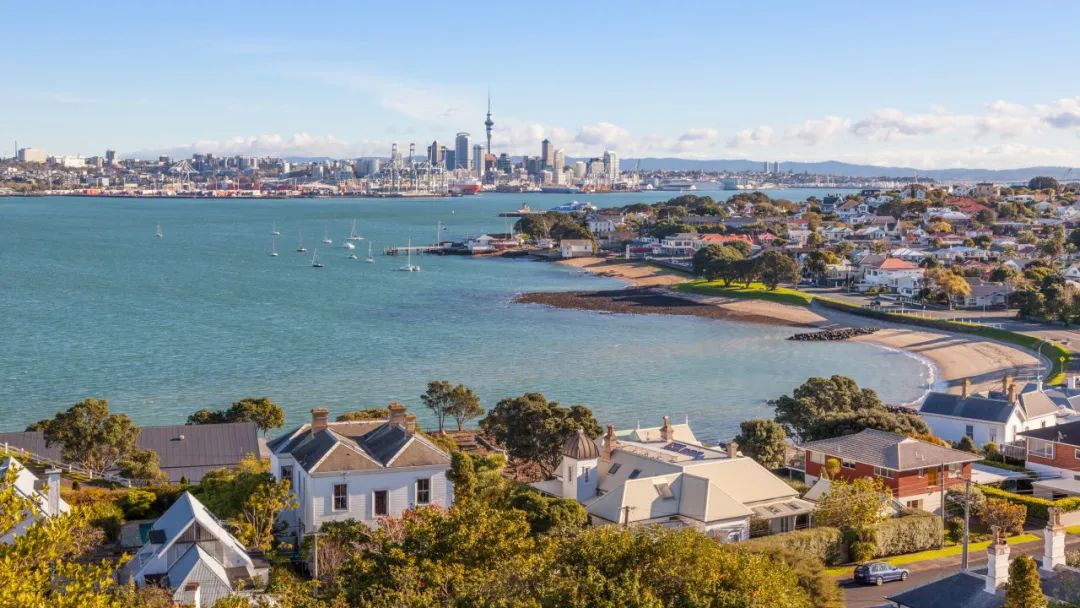
The latest figures recently released by New Zealand property website Realestate.co.nz show that Auckland's property stock has risen significantly, reaching its highest level in a decade. (Click to expand further reading: Several property reports released! Has the average house price in this New Zealand area really fallen by NZ$122,000 in three months?)The number of properties available in Auckland has risen by 34.8% year on year, while the average asking price has fallen for four consecutive months. In June, it stood at NZ$1,012,050, down NZ$107,735 from February. Average asking prices have also fallen nationwide. This downward trend suggests some sellers are becoming more accepting of market conditions and are lowering their asking prices to meet market expectations. For buyers, this is a positive sign, giving them more room to negotiate prices. For sellers, however, it may mean lower anticipated profits and a longer wait to secure a sale.
High withdrawal rates and sellers' attitudes
Opes Partners economist Ed McKnight made an even more striking observation. He said that comparing the number of properties newly listed over the past month, the number sold and the total number still listed for sale led him to conclude that in Auckland and Northland (Northland), more than 35% of homes listed for sale were subsequently withdrawn, giving these regions the country's highest withdrawal rates.

Opes Partners economist Ed McKnight
McKnight said the figures showed that Northland real estate agents were having a particularly difficult time. In the six months to March, they listed 2128 properties, but around 969 were withdrawn — more than 45% of properties listed for sale eventually left the market.
Auckland's withdrawal rate also exceeded 35%, and he found the market there surprisingly weak. High interest rates were partly responsible. Because Auckland house prices are higher, mortgages tend to be larger, potentially making buyers more cautious. Outside Auckland, areas with higher sales rates tend to have larger properties, such as Wellington, Otago and Canterbury. Wellington's market was performing much better by comparison: 3633 properties were listed over the same period, with only 375 withdrawn. This suggests that only around 10% of listed properties were withdrawn... Meanwhile, only around 55% of properties currently listed in Northland will eventually sell.

Realestate.co.nz general manager Vanessa Williams
Realestate.co.nz general manager Vanessa Williams said she found it difficult to obtain clear figures showing how many properties were withdrawn without selling. She said properties sold at different speeds, and sales and listing figures did not always align, but this did not affect the overall findings.
Realestate.co.nz figures show that properties listed on its website and subsequently removed this year spent an average of 99.97 days listed, compared with 105.88 days last year. Listing periods increased for farms, sections and studio properties. These figures cover all properties listed and subsequently removed between March and May in each year.
Williams believed high withdrawal rates meant agents had to work harder to bring sellers' expectations into line with the market. Sometimes people listed properties at prices above what the market was willing to pay, then decided to reduce them after some time had passed.
Property commentator Andrew Duncan said real estate agency agreements generally lasted 90 days. If a home did not sell within that period, owners often withdrew, took a break and then approached another salesperson. Alternatively, they simply decided to wait and try again later. He said people sometimes faced financial pressure, prompting sellers to rent out their homes rather than leave them empty.
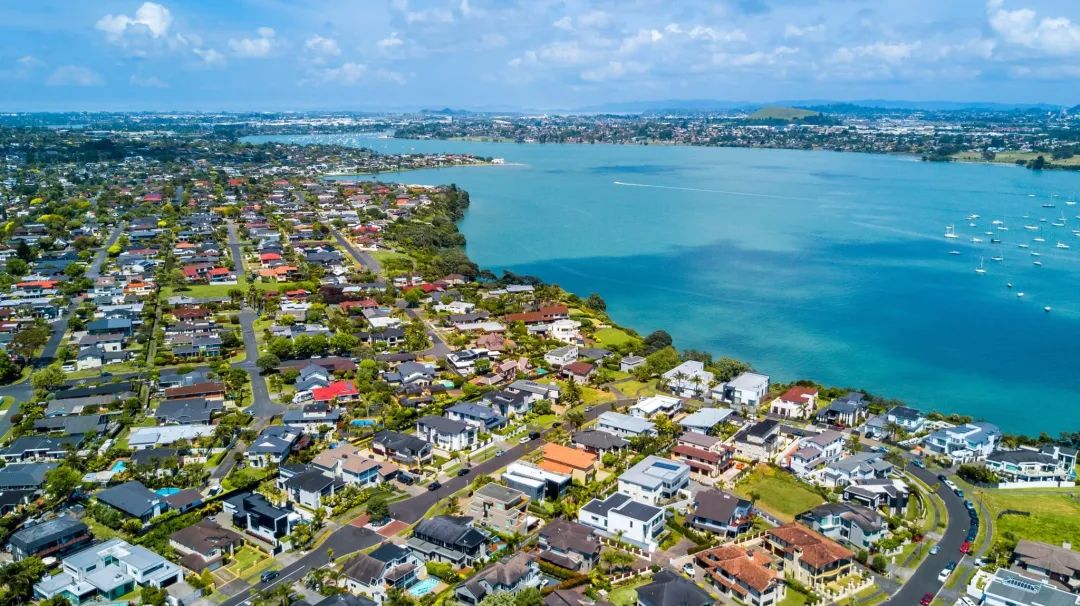
Whangārei real estate salesperson Paul Sumich recently withdrew a listing because it was a coastal property and was unlikely to have the same appeal in winter. He said this did happen in winter, particularly with beachfront properties. These were very sought after in spring and summer, but if they had remained on the market throughout summer without a result, sellers often took a break over winter and returned in spring.
He did not think more properties appeared to be withdrawn this year than in previous years, but several factors were still affecting the market. Sellers' expectations were high, for example. Sometimes, particularly in areas with few sales, people compared prices with transactions completed when interest rates were at their lowest, even though the market had changed.
He said whether a property was withdrawn depended on the seller's circumstances. If sellers had found work elsewhere in New Zealand or overseas, were definitely moving and needed to sell to buy a home at their destination, they were more likely to persevere and stay on the market. Conversely, people who wanted to sell but did not have to were more likely to take a break. He advised sellers to talk to an agent before putting their property on the market to understand current conditions. This would lead to better results.
Market outlook and conclusions
Overall, Auckland's property market is currently undergoing an adjustment, with rising stock levels and falling prices reflecting changes in supply and demand. Despite high withdrawal rates, the adjustment is creating new opportunities for both buyers and sellers. As sellers' expectations adjust further and buyer demand comes through, the market is expected to gradually stabilise. Current conditions remind us that market changes are normal; the key is to adapt to them, make use of them and make informed decisions. This is an important consideration for everyone involved in buying and selling property.