
A trap for home buyers: spending ten thousand New Zealand dollars on a “worthless” buying guide? How reliable are building inspection reports?
One major challenge for buyers in today’s property market is the reliability of building inspection reports. As the market has recently recovered and sales activity increased, more buyers ha
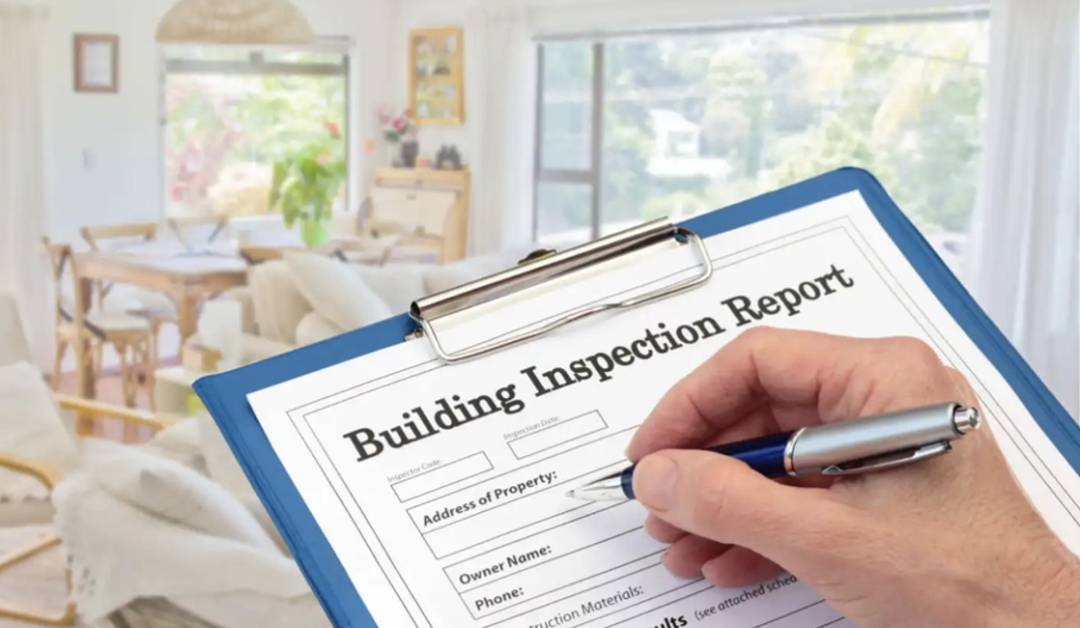
One major challenge for buyers in today’s property market is the reliability of building inspection reports. As the market has recently recovered and sales activity increased, more buyers have relied on these reports to make purchasing decisions. Yet their quality varies widely…
An Auckland real estate agent recently complained publicly that many buyers were being deterred by excessive caution or the contents of reports, ultimately abandoning purchases. In his experience, around 50% of transactions fall through because of pre-purchase inspection reports, even though the issues they identify are often not major defects.
The market urgently needs standardised regulation
Many industry figures share the agent’s view and have called for tighter regulation of building inspections. Three organisations currently provide training and registration services for inspectors in New Zealand: the New Zealand Institute of Building Surveyors, the New Zealand Institute of Building Inspectors and the Building Officials Institute of New Zealand (The New Zealand Institute of Building Surveyors, The New Zealand Institute of Building Inspectors, Building Officials Institute of New Zealand). However, many unregulated inspection companies also operate in the market, making report quality difficult to guarantee.
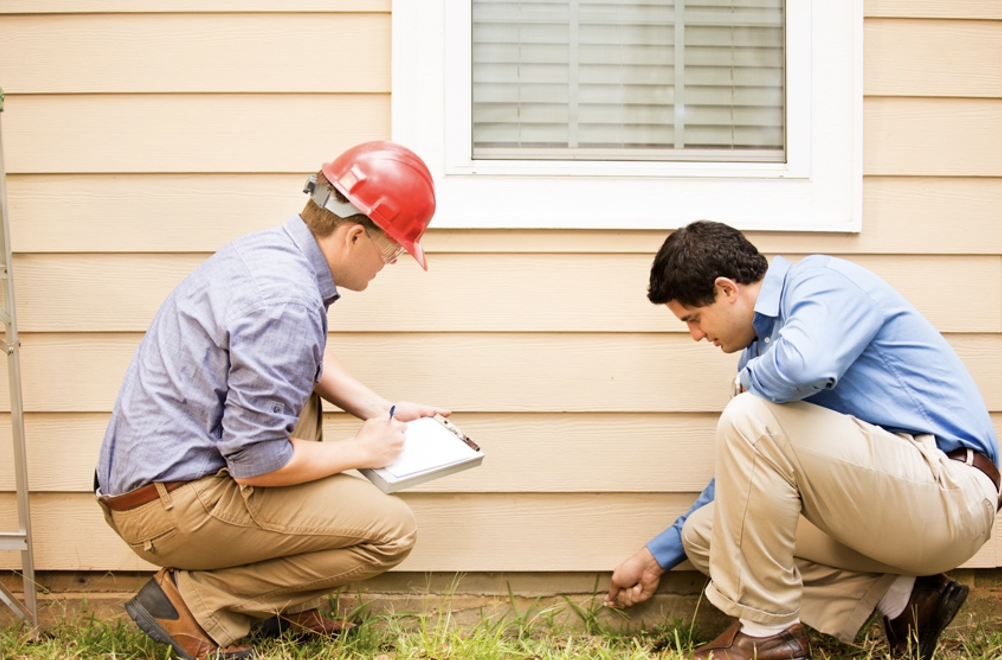
The Auckland agent called on the government to standardise and regulate inspection procedures, and complained that building reports cost too much, with the current market price around NZ$1000. He believes inspectors hired privately by buyers sometimes “overstate” defects to protect themselves from risk. For example, they may make broad statements that the roof needs replacing or that foundation problems are causing excessive moisture inside the house. Such issues almost always appear in reports, he said. He often hears buyers complain: “I haven’t even bought a house yet, but I’ve already spent NZ$10,000 on building reports!”
Views from industry authorities

Darryl August
President of the New Zealand Institute of Building Surveyors
New Zealand Institute of Building Surveyors president Darryl August agrees that building inspections in New Zealand need tighter regulation. He stressed that improvements are both necessary and inevitable. August said buyers should recognise the difference between reports prepared by general builders and registered building surveyors. Not every builder can deal with complex issues found in buildings. Qualified building surveyors can examine buildings through the lens of “building pathology”, identify the root causes of problems and provide professional advice, or even evidence in court cases.
He added that while he does not oppose builders conducting inspections, not all have specialist expertise in this field. Although New Zealand has a pre-purchase inspection standard, it dates back to the leaky homes era and is not mandatory. This makes consistent inspection quality difficult to guarantee.
August further advised buyers choosing an inspector to ensure they hold professional indemnity insurance and public liability insurance, and to budget enough to hire a qualified inspector. He stressed that although liability insurance is a significant expense for inspectors, it offers buyers considerable reassurance. August recalled paying NZ$950 for a pre-purchase report from a registered building surveyor when buying a property ten years ago. This allowed him to rely on insurance to resolve problems that emerged after the purchase. He said a house is a major investment, and the potential harm caused by a flawed report is immeasurable. From a financial risk perspective, an inaccurate report can have serious consequences and even ruin lives. August and many colleagues have encountered such situations, seeing clients suffer because of flawed reports.
Meanwhile, New Zealand Institute of Building Inspectors chief executive Neville Scott also called for licensing of building inspectors. He said that although many inspectors began as builders, they need appropriate training and ongoing professional development to ensure they can competently assess completed buildings.
Auckland lawyer Joanna Pidgeon likewise advised buyers to ensure their chosen inspector holds liability insurance. She recommended selecting inspectors from reputable professional bodies that set standard requirements for members and oversee their work.
The Real Estate Authority also advises buyers and sellers to engage accredited home inspectors to prepare inspection reports. It specifically identifies the New Zealand Institute of Building Surveyors, the Building Officials Institute of New Zealand and the New Zealand Institute of Building Inspectors as trusted professional organisations whose members undergo rigorous registration and accreditation processes. The authority also notes that although inspection reports cost money, they are a worthwhile long-term investment, particularly in preventing potentially substantial repair costs arising from an inadequate inspection. It further warns buyers to treat seller-supplied inspection reports cautiously. These may appear economical in the short term, but if issues go unidentified, buyers will have no right to hold the inspector accountable later because the inspector’s contract is with the seller, rather than the buyer.
To explore the issue further, we interviewed experienced property sales consultant Lily Zhang for her views on building inspection report quality and improvements to the industry.

Lily Zhang
Barfoot & Thompson Residential/
Rural SalesAlbany Branch
Q: What do you think about the problems with building inspection reports in the current property market? Do you support tighter industry regulation? What advice would you give buyers?
Lily Zhang:A building inspection is crucial for every buyer. Problems with a house directly affect how comfortable it will be to live in, its potential to increase in value and any further spending it may require. All of these can add to the buyer’s burden. Every buyer needs a clear understanding of these issues, so professional inspectors who can offer sound advice can be very helpful in purchasing decisions.
As everyone knows, houses are built by hand, whether they are brand new, 30 years old, townhouses or standalone homes. Some quality issues or defects are therefore inevitable. The main concern is structural problems that could make buyers hesitate. Whether these can be resolved through alterations buyers undertake themselves in future is what really determines their purchasing decisions.