
Government launches major banking reforms: 7 key questions about whether it can deliver for consumers
New Zealand's banking sector lacks competition, and the big four banks' high profits are harming consumers. The Government will not let this report gather dust, but will act swiftly to implement all 14 recommendations.

On 20 August, New Zealand Finance Minister Nicola Willis and Commerce and Consumer Affairs Minister Andrew Bayly jointly announced that the coalition Government would adopt all 14 recommendations in the Commerce Commission's final report on competition in personal banking services. The decision marks a significant step in the Government's efforts to promote banking competition, aiming to break the current monopoly dominated by the big four banks: ANZ, ASB, BNZ and Westpac.

New Zealand Finance Minister Nicola Willis
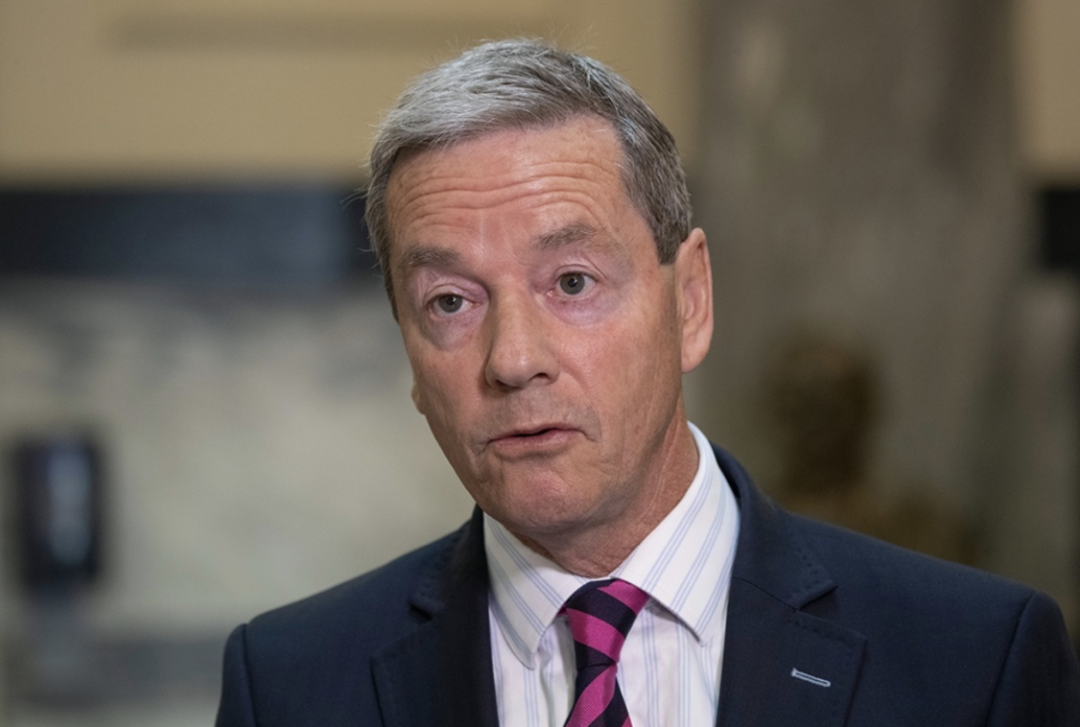
Commerce and Consumer Affairs Minister Andrew Bayly
New capital support for Kiwibank to challenge the big four
The Commerce Commission's report specifically identifies Kiwibank, New Zealand's state-owned bank, as having the potential to become a market “disruptor”. To achieve this, Willis has instructed the Treasury to work with Kiwibank's parent company, Kiwi Group Capital, to present funding proposals by the end of 2024. These include raising capital from KiwiSaver funds, New Zealand investment funds and investments by ordinary New Zealanders. Willis said: “I share the Commerce Commission's vision for strengthening Kiwibank. I want it to secure enough growth capital to become a maverick bank that puts real competitive pressure on the big four.”

Question 1:
Can Kiwibank truly challenge the big four?
Although the Government plans to strengthen Kiwibank's competitiveness through an injection of new capital, can the bank, in practice, rapidly increase its market share and pose a real threat to the big four? Can its digital transformation make enough of a difference in such a competitive market? And will a capital-raising timetable delayed until 2026 give the big four more time to respond?
Opening up banking in 2026
Another key recommendation in the Commerce Commission's report is to ensure open banking is fully operational by June 2026. The Government is actively progressing the Customer and Product Data Bill and will begin consulting on specific compliance requirements for banks. Willis and Bayly jointly stated: “We agree with the Commission that open banking has the greatest potential to drive sustained competition over the medium to long term, and we are committed to enabling its widespread adoption as quickly as possible.”
Question 2:
Is open banking progressing quickly enough?
Although the Government hopes to have open banking fully operational before 2026, is this timetable too cautious? Will New Zealand consumers continue to face weak competition and limited choice in the meantime? Could technical and regulatory challenges during implementation also delay progress?
Reserve Bank of New Zealand faces policy changes
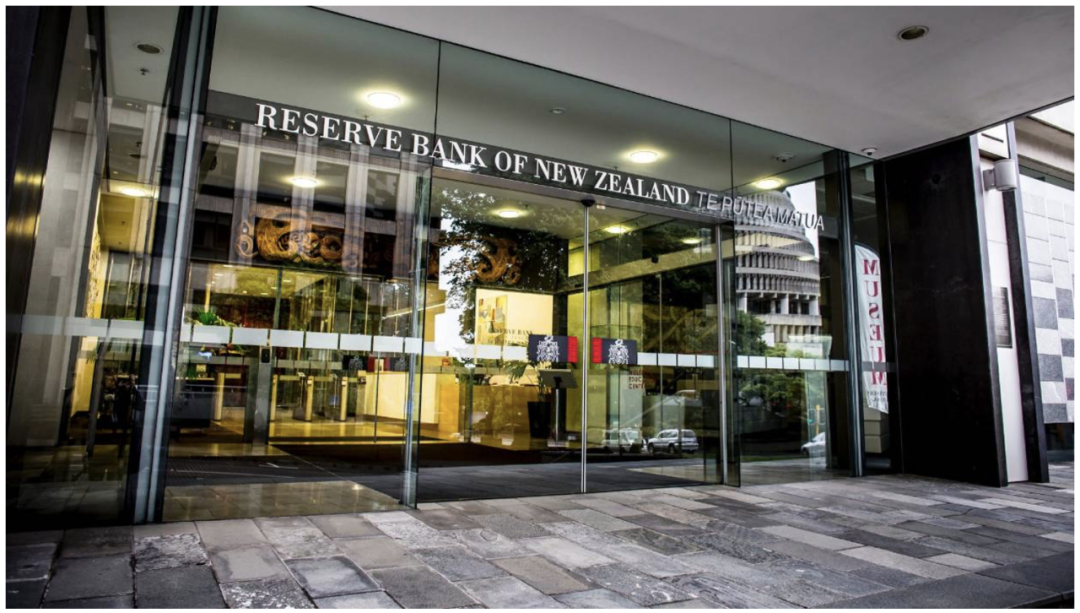
The report also criticises policies pursued by the Reserve Bank of New Zealand, particularly its overly cautious focus on financial stability. Willis said: “The report concludes that we have leaned too heavily towards financial stability, making it almost impossible for new entrants to establish themselves in the market. This has created the existing oligopoly, seriously harming New Zealanders' interests.” She said a new Financial Policy Remit would be issued this year, making clear that the Government wants the Reserve Bank of New Zealand to support a more competitive banking sector through its policies and actions.
Question 3:
Can Reserve Bank policy changes deliver the intended results?
The Reserve Bank of New Zealand's conservative policies are seen as one reason for insufficient market competition. Although the Government plans to adjust policy to encourage competition, will these changes actually incentivise new market participants? Can the Reserve Bank adapt its policies flexibly to promote competition while maintaining financial stability?
Government pledges to tackle oligopolies
At the press conference following the report's release, Willis noted that the Organisation for Economic Co-operation and Development (OECD) had observed earlier this year that New Zealand's market has a limited number of large companies, weak competitive pressure, insufficient incentives to innovate, low efficiency, and unsatisfactory service quality and pricing. In 2022, the big four banks' combined profits amounted to around 3% of New Zealand's gross domestic product, exceeding the combined total for the electricity market, supermarkets and construction industry.
“Seen in this light, the Government's reforms to promote banking competition are a vital part of our economic growth plan,” Willis said. She also stressed that the Commerce Commission's report confirmed a long-held suspicion: New Zealand's banking sector lacks competition, and the big four banks' high profits are harming consumers. The Government will not let the report gather dust, but will act swiftly to implement all 14 recommendations.
Question 4:
How will the big four respond?
What strategies might the big four banks adopt in response to the Government's reforms? Will they innovate or adjust their pricing strategies to retain market share? Could these changes affect the stability of the wider market?
Mortgage brokers face tighter oversight
In his response, Bayly noted that the Commerce Commission found mortgage brokers were too closely tied to banks and often offered customers only one mortgage option. He said he would encourage the Financial Markets Authority (FMA) to take every possible step to ensure brokers clearly disclose whom they represent and their commission structures. This means the mortgage market could face greater transparency requirements in future to better protect consumers' interests.
Question 5:
Will mortgage brokers' role change significantly?
The report criticises the close relationship between mortgage brokers and banks, and the Government plans to strengthen oversight. But will greater transparency requirements be enough to change the lending market's status quo? If mortgage brokers cannot offer a range of options, are consumers entitled to seek loans through other channels, and what effect would this have on the market?
Government to confront banks head-on
The market study was launched in June last year by the previous Labour Government, focusing on competition in home lending and deposit accounts. The current Government has also launched a parliamentary select committee inquiry into banking with a broader scope, including business and rural banking. The parliamentary inquiry will draw on the Commerce Commission's findings, and this year's banking inquiry is expected to get fully under way.
Willis said: “My view is that New Zealanders expect banks to provide fair, competitive and high-quality services, and banks play a vital role in our economic productivity, employment and incomes. So when banks give evidence to the select committee inquiry, I think New Zealanders will expect them to explain how they are meeting those expectations.” At the press conference, Willis made clear: “The banking lobby may be powerful, but democracy is more powerful, and our Government will not be intimidated by the big four banks.”
Question 6:
Can banking reforms truly benefit consumers?
The Government's reforms aim to benefit consumers, but could implementing these policies produce other unforeseen negative effects? For example, increased competition might prompt banks to raise revenue in other ways, such as increasing certain fees or reducing services. Could this leave consumers paying more?
Reserve Bank of New Zealand welcomes report and supports competition
The Reserve Bank welcomed the Commerce Commission's personal banking services study and said it would give greater weight to competition in upcoming decisions. Deputy Governor Christian Hawkesby said: “Healthy competition between banks plays an important role in supporting an efficient, inclusive and dynamic financial system.” He also noted that the Reserve Bank was consulting on proportionate minimum capital requirements for different deposit takers and could lower minimum capital requirements for new entrants.

Reserve Bank of New Zealand Deputy Governor Christian Hawkesby
The Reserve Bank also expressed support for open banking and welcomed Willis's review of the regulator's Financial Policy Remit. Reserve Bank chair Neil Quigley said: “The remit is an important tool for the Minister to clarify what the Government wants the Reserve Bank to consider when pursuing its financial stability objective and performing its functions as a prudential regulator and supervisor.”
New Zealand Banking Association chief executive Roger Beaumont said the Commerce Commission had taken an “informed and considered” approach to the market study, providing valuable insights for the banking sector. He said the industry looked forward to seeing how the Government and regulators would respond to the Commission's recommendations and supported high-quality regulation that made banking services easier for consumers to access.
Question 7:
What impact will the new policies have on New Zealand's wider economy?
What impact will these reforms have on New Zealand's economy as a whole? Particularly amid increasing global economic uncertainty, could these policy changes affect New Zealand's financial stability and economic growth? If the reforms do not progress as expected, what contingency measures will the Government take?
YIJU commentary:
There is no denying that the Commerce Commission's report exposes deep-seated problems in New Zealand's banking sector and presents a major challenge for the Government. With the Government pledging to implement 14 recommendations swiftly, the country's banking landscape could change significantly over the coming years. However, whether these reform goals can be achieved and market competition substantially improved in the short term remains to be seen. If you have views on this issue, please leave a comment at the end of the article and join the discussion.