
Striking new figures: falling stock and surging listings bring New Zealand’s property market back to life after interest rate cut
This trend suggests buyers’ confidence in the market is returning, with lower borrowing costs providing the main impetus.
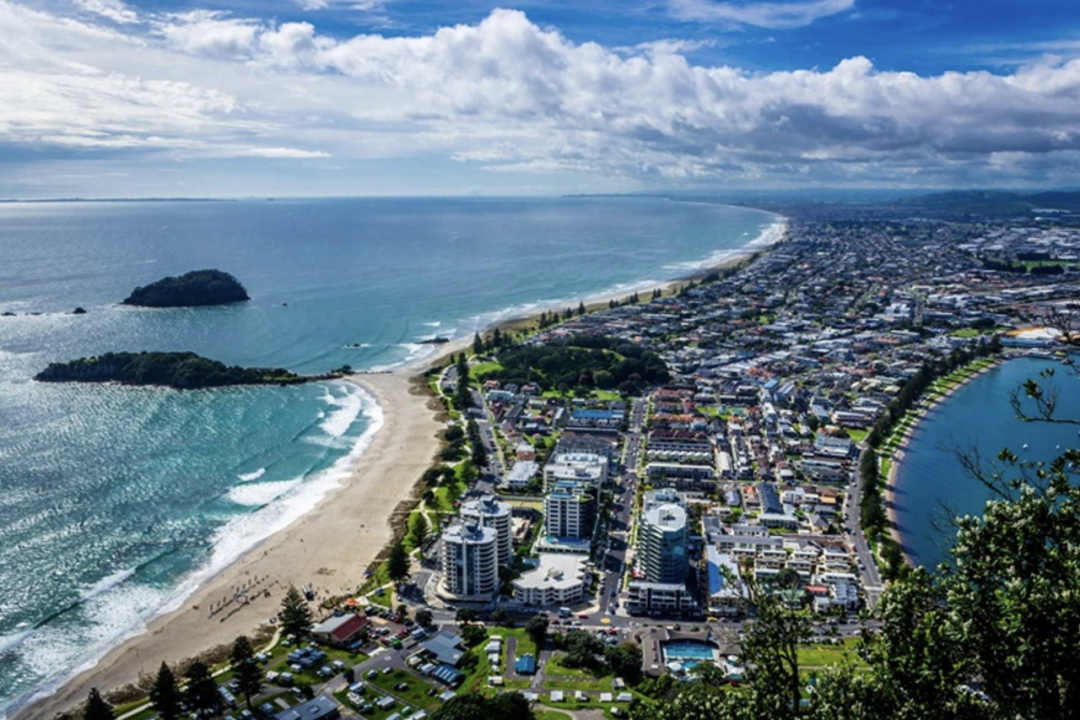
After a prolonged quiet spell in the property market, the start of interest rate cuts has brought the first glimmers of a recovery for New Zealand real estate. In August 2024, the Reserve Bank of New Zealand announced its first official cash rate (OCR) cut in four years, followed by a surge in buyer interest and a marked increase in market activity. From the North Island to the South Island, the market’s pulse began to quicken as buyers and sellers reassessed their property investment strategies. All of this suggests New Zealand’s property market is reaching a turning point full of opportunities. Yet beneath this seemingly widespread recovery, regional markets are performing differently, with unknown challenges and opportunities ahead…
Market responds positively to rate cut
In August, the Reserve Bank cut the OCR for the first time in four years, lowering it by 0.25 percentage points to 5.25%. The move immediately prompted a positive market response, with reports from separate research providers both showing a marked recovery in buyer interest and market activity. OneRoof’s latest house price report showed buyer interest surging since the OCR cut. A comparison of enquiry numbers before and after the cut across regions and major cities showed particularly strong growth in Marlborough (+64%), Nelson (+36%) and Bay of Plenty (+25%).
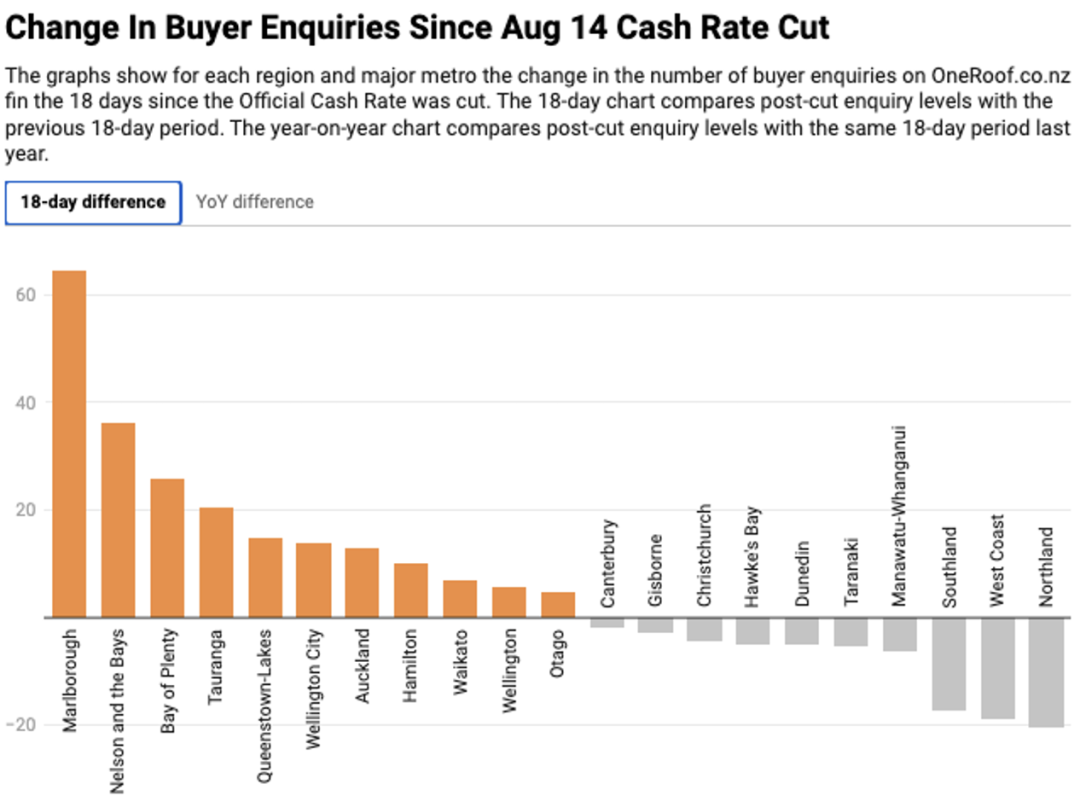
Among the major cities, Tauranga saw the most pronounced change in buyer interest, up 20.4% compared with the 18 days before the OCR announcement and 107% on the same period last year. This was unsurprising, given the city’s rents are among the highest in the country. The data also showed growing interest in beach properties, with annual increases of 123% on Waiheke Island and 113% in Thames Coromandel. This trend suggests buyers’ confidence in the market is returning, driven primarily by lower borrowing costs. OneRoof editor Owen Vaughan said the Reserve Bank’s rate cut had injected life into the market, noting a strong link between rising buyer interest and falling mortgage rates. “Falling house prices have also played a part. There seems to be a feeling in the market that prices have bottomed out. Buyers will want to seize the current opportunity before prices recover.”
Meanwhile, realestate.co.nz’s August report reflected a similar market response. In the 14 days after the OCR announcement, enquiries about residential listings increased by 8.5%, saved listings rose by 5.5%, and the number of people saving searches to receive listing alerts increased by 6.2%. This suggests prospective buyers are ready to act and waiting for the right opportunity to enter the market. Realestate.co.nz chief executive Sarah Wood emphasised that despite economic uncertainty, New Zealanders’ enthusiasm for property had never truly waned.
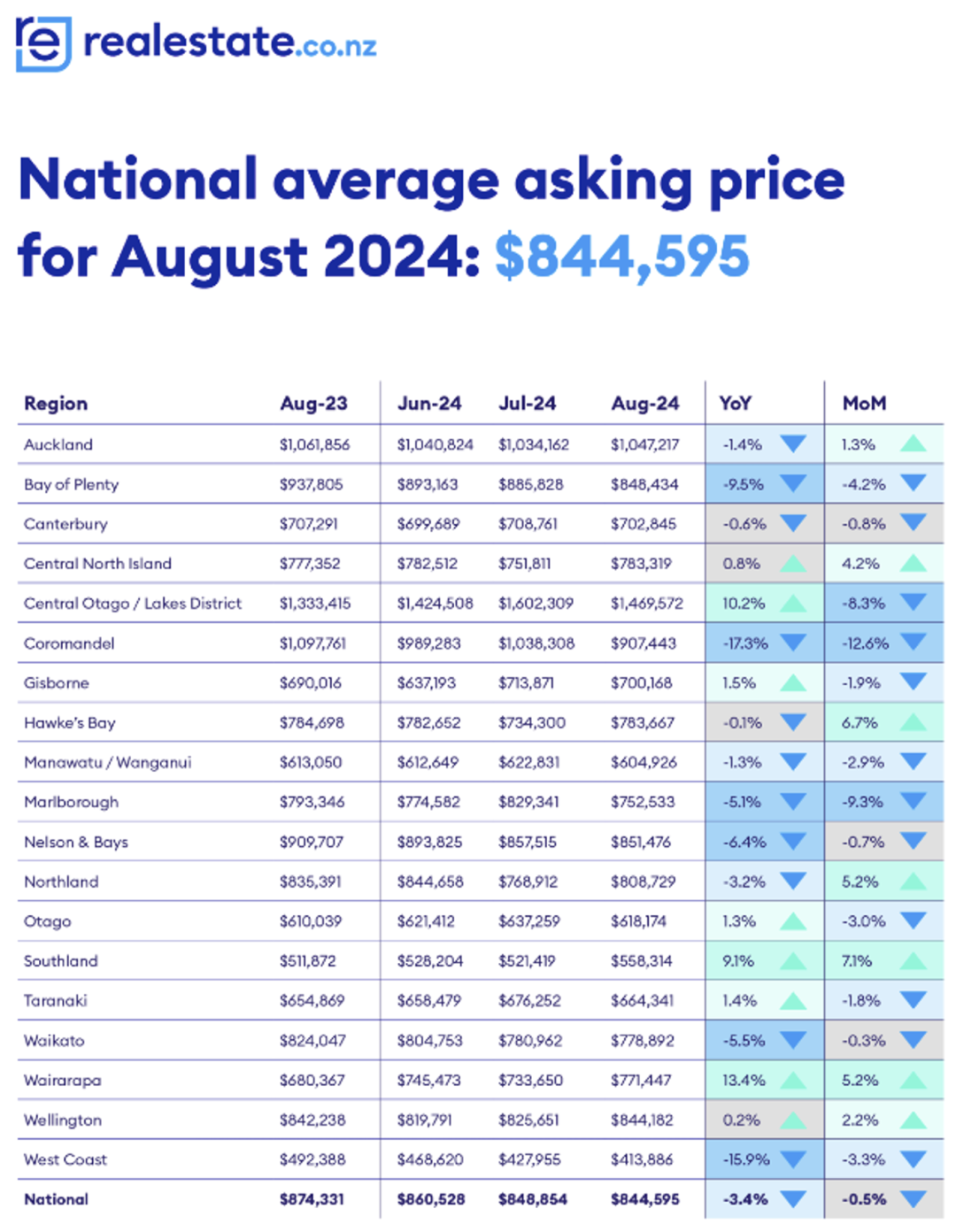
Table of house price changes across New Zealand in August (Source: realestate.co.nz; also the source for the following figures)
Wood added that now was a good time to transact, with healthy stock levels beginning to ease, potentially signalling a market shift: “Sellers can capitalise on increased buyer interest, while buyers also have plenty of choice. Both can benefit from relatively stable prices.” The national average asking price fell to NZ$844,595 in August, its lowest level in three and a half years. However, this was only 0.5% below July and 3.4% below August 2023. Wood also said: “This is not a significant decline. Prices have remained stable in the middle of the NZ$800,000-plus range, continuing the steady trend of the past 18 months.”
August marks a return to seasonal listing patterns
Seller confidence strengthens
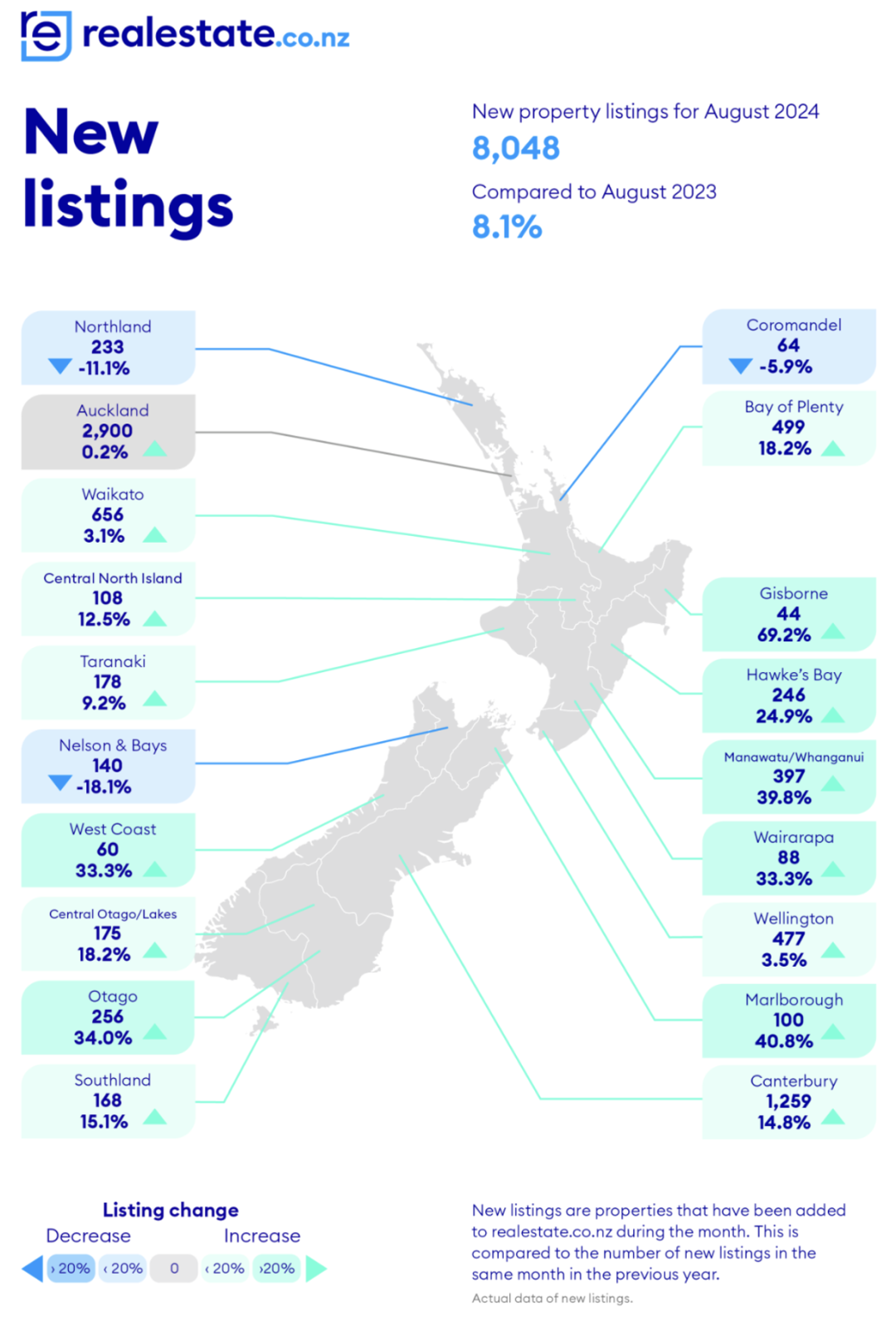
New listings in August increased by 8.1% year on year, reflecting the trend typically seen at this time of year. Wood explained: “Historically, listings have risen steadily in August, but this pattern has been notably absent since 2020. The return of seasonal trends may indicate that we are entering a new phase of the market cycle.” In August, new listings increased in 16 of the country’s 19 regions. Only Nelson & Bays, Northland and Coromandel recorded declines, of 18.1%, 11.1% and 5.9% respectively. “The increase in listings suggests sellers see now as a favourable time to sell, potentially in response to more positive market sentiment and increased buyer activity,” Wood said.