
Auction, tender or deadline sale? Which method can sell your property faster? A guide to selling a home in New Zealand
Auckland's residential market has plenty of stock as more sellers list their properties, but sales remain challenging. The latest OneRoof-Valocity House Value Index report shows new listings have risen to a high level compared with a year ago.

Barfoot & Thompson's latest market report shows 916 homes sold in May, an increase on a year earlier. However, 5763 properties remained for sale, the highest stock level in more than a decade. Despite strong buyer interest across all price brackets, supply remains excessive. Today's market undoubtedly offers buyers more choice and negotiating power, but for sellers, choosing the right sales method is especially important in a buyer's market.
Advertised price, deadline sale and negotiation are among New Zealand's most common property sales methods. Offers made under these methods generally use a standard sale and purchase agreement. Depending on the circumstances, an agent may also recommend selling by auction or tender, which use agreements specifically prepared for those methods.
So which method best suits your property? Today, we explain the common ways to sell a property in New Zealand.
Common property sales methods
Advertised price
Selling with an advertised price is one of the most common methods. The seller sets a clear price, and prospective buyers can make conditional or unconditional offers at any time. There is no fixed time limit, and buyers and sellers can negotiate through the real estate agent until both parties are satisfied with the price and conditions.

An advertised price is well suited to a relatively stable market because it provides certainty for both parties. It appeals to buyers who dislike tenders, auctions and sales without an advertised price, as well as conditional buyers who cannot purchase at auction. Buyers can also approach banks for finance with a clearer target, knowing how much they need and what their budget is.
Deadline sale
A deadline sale involves marketing a property over a set period and accepting offers before the closing date. The seller sets a date and aims to sell the property by then. During this period, prospective buyers can make offers, and the seller can accept offers and negotiate at any time before that date, although the final decision is made after the deadline.

This method gives buyers and sellers a clear timeframe and creates a sense of urgency, helping to speed up the transaction.
Sale by negotiation
Negotiation is a highly flexible method suited to properties whose sale price is difficult to estimate. With no advertised price, prospective buyers make offers based on their assessment of market value, and the seller can negotiate with each buyer until a satisfactory price is reached. Negotiation allows both parties to discuss not only the price, but also the settlement date, purchase conditions and other terms.
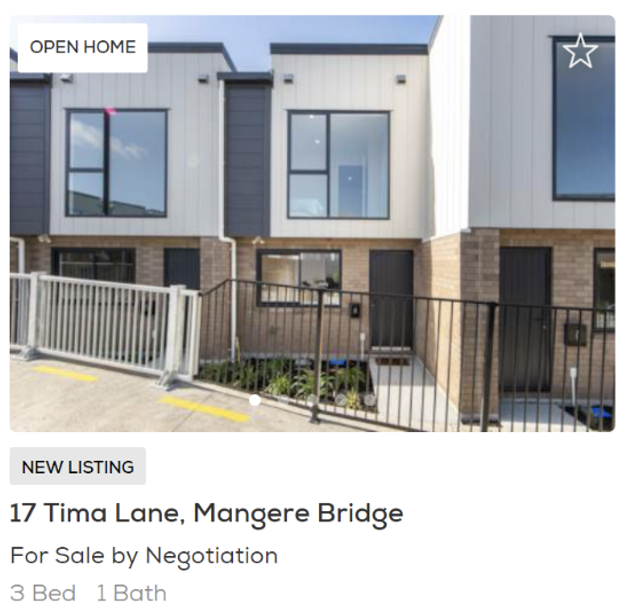
Without a specified asking price, this approach may help achieve a higher sale price and attract a broader range of buyers. Its drawbacks are that it is harder to create the urgency of an auction or deadline sale, and it may deter some buyers who want to see a clear asking price.
Whichever of these methods is chosen, sellers receive written offers from buyers in the form of sale and purchase agreements. They can accept, reject or negotiate these offers further. The real estate agent provides support throughout, ensuring the seller understands the details and potential implications of each offer.
When several buyers are interested in the same property, a multi-offer process may be used to give all prospective buyers an equal opportunity to submit their best offer. The seller can then accept one, reject them all or negotiate further with one party.
Selling by auction
An auction is a fast, public sales method. The highest bidder whose bid exceeds the seller's reserve price wins the property. To ensure the auction runs smoothly, the seller needs to sign a sole agency agreement with the real estate agent and set a reserve price before the auction. Known only to the seller, agent and auctioneer, this is the minimum price the seller is willing to accept.
Buyers may also make offers before the auction. These are usually unconditional. If the seller is willing to accept an offer, the auction may be brought forward, or cancelled if a sale and purchase agreement is signed. Sellers interested in considering pre-auction offers should discuss this with their agent in advance. The agent may include “unless sold prior” in the advertising to indicate that the property could sell before auction day.
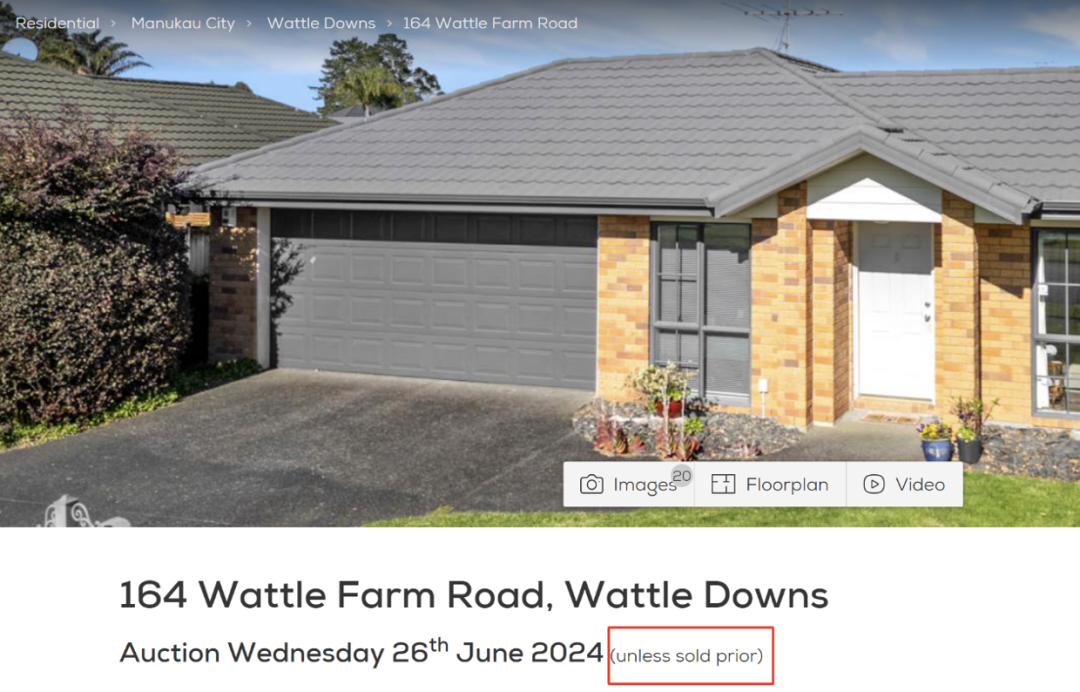
Buyers cannot attach conditions to bids at auction, but they can ask the seller to amend the auction terms or change the settlement date. Once the auctioneer's hammer falls, the sale is unconditional and both parties must complete the transaction. If either party cannot do so, it becomes a legal matter, and both parties should seek professional legal advice.
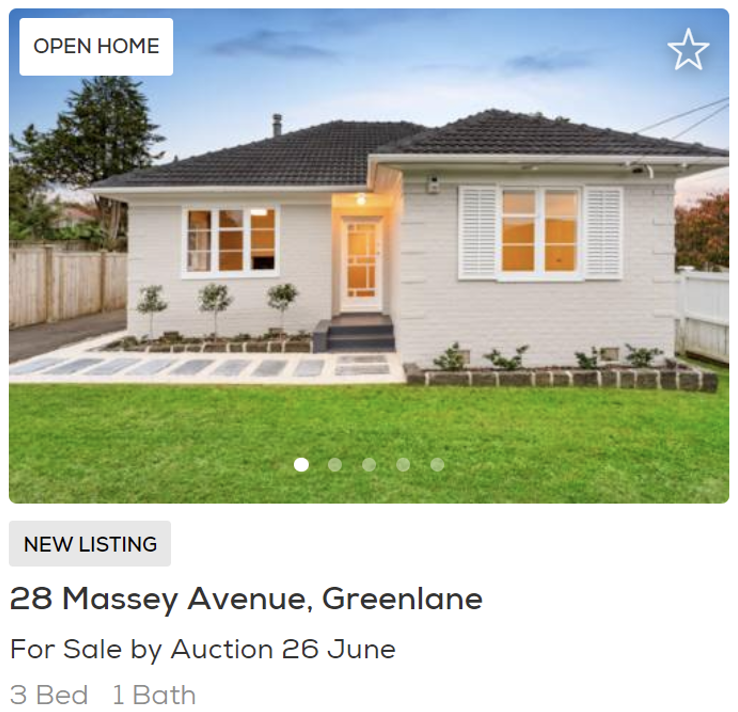
If bidding does not reach the reserve price, a multi-offer process involving interested buyers may follow to continue the sale process. If the property is passed in at auction, it may, in some circumstances, return to the market for sale by negotiation or with an advertised price.
Selling by tender
A tender is a property sales method based on written offers. All interested prospective buyers submit confidential offers before the deadline, and the seller decides which to accept or whether to negotiate further.
Prospective buyers can submit offers before the tender deadline. Usually, all tenders are considered only after the deadline, but the specific tender documents may provide for a different process, such as allowing offers to be considered earlier or extending the deadline.
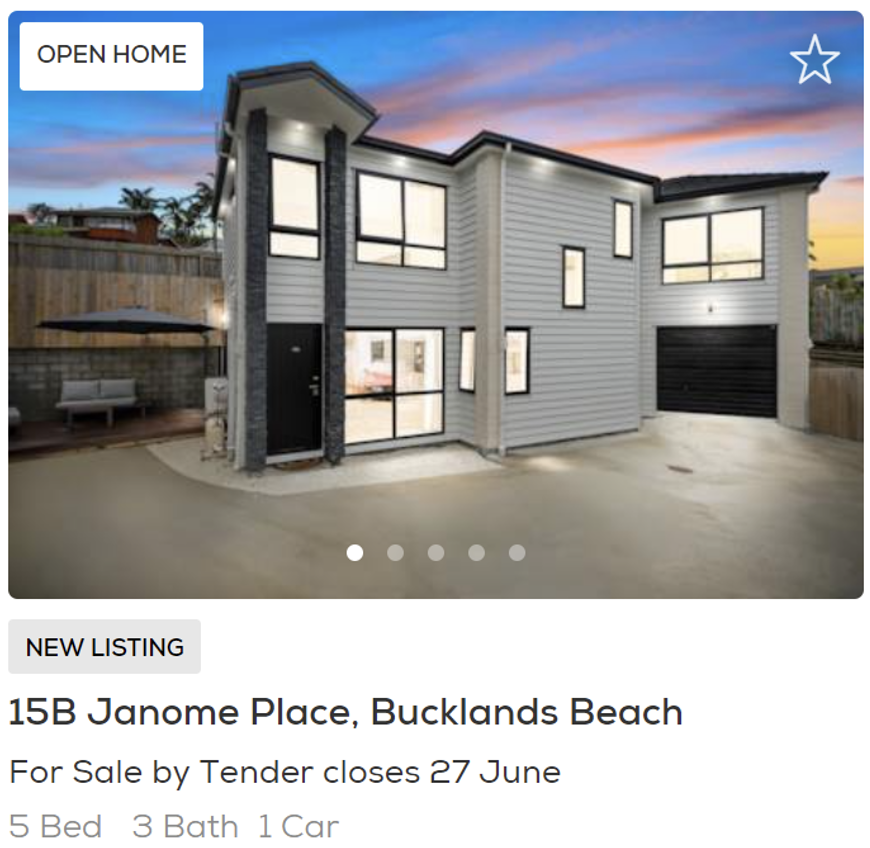
After tenders close, the seller usually has up to 5 working days to assess the offers and decide whether to accept one. The seller can negotiate changes to a tender's price or conditions with prospective buyers. If both parties agree to changes, the real estate agent will ask them to sign the amendments to confirm their agreement. Throughout the process, the seller's lawyer or conveyancer should provide legal advice and check the final agreement before the seller signs.
In a buoyant market, both tenders and auctions intensify competition among buyers and may well increase the final sale price. Unlike an auction, a tender gives the seller more time to decide. This makes it suitable for properties where several people need to be consulted, such as those held in trusts or estates, although it is also commonly used for other property sales.
Each sales method has its strengths and weaknesses. The best approach varies with the location, market conditions and individual property. When selling your home, consider consulting an experienced Barfoot & Thompson agent in your area for professional advice.
