
Property industry warning: a wave of mortgagee sales could hit the market this year. Are they still worth buying?
Although mortgagee sale properties are generally considered cheaper than homes sold through normal channels, ‘cheap’ does not necessarily mean good value.

The latest survey data released by OneRoof shows that mortgagee sales have reached a post-pandemic high. In the 12 months to the end of June this year, 189 mortgagee sale properties were listed nationwide, up 81% year on year and more than triple the total for 2022.
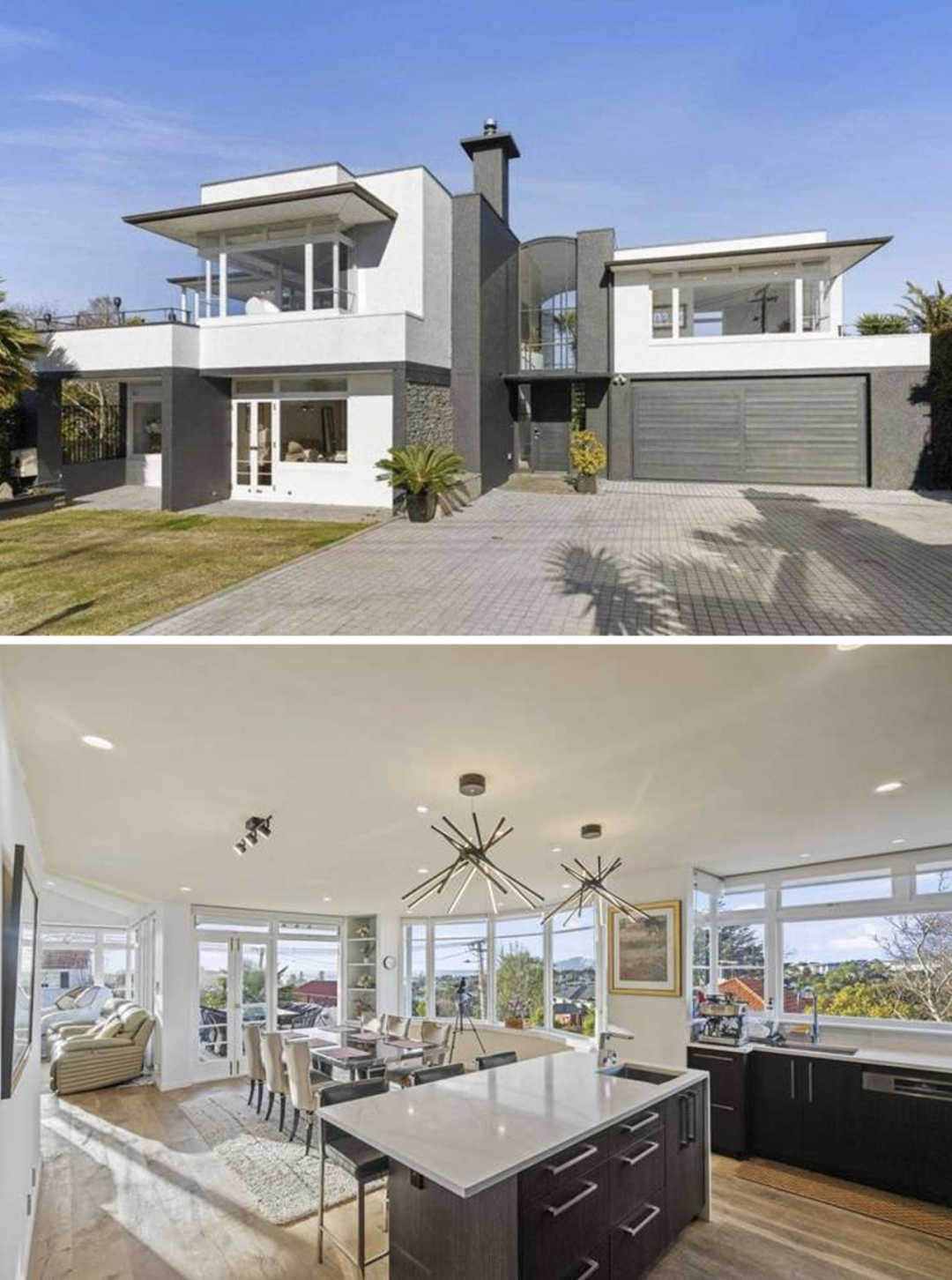
A four-bedroom, two-bathroom home at 27 Palmer Crescent in Mission Bay, valued at NZ$4,200,000, is currently a mortgagee sale
Despite interest rates beginning to fall, industry experts warn that they expect mortgagee sales to keep increasing. CoreLogic chief property economist Kelvin Davidson said the rise reflected the financial pressure homeowners faced following rapid increases in interest rates and inflation in the post-pandemic period. He said: ‘People can only hold on for so long, and now unemployment is also a factor. I don’t think mortgagee sales have peaked yet.’

CoreLogic chief property economist Kelvin Davidson
Meanwhile, financial pressure is affecting both the lower end of the market and premium properties. OneRoof’s mortgagee sale listings include a luxury four-bedroom home on one of Auckland’s top streets. The property at 27 Palmer Crescent in Mission Bay, with a market value of NZ$4,200,000, is a mortgagee sale. According to OneRoof records, it last changed hands in 2018 for NZ$2,950,000. The mortgagee relisted it for sale by tender late last month.
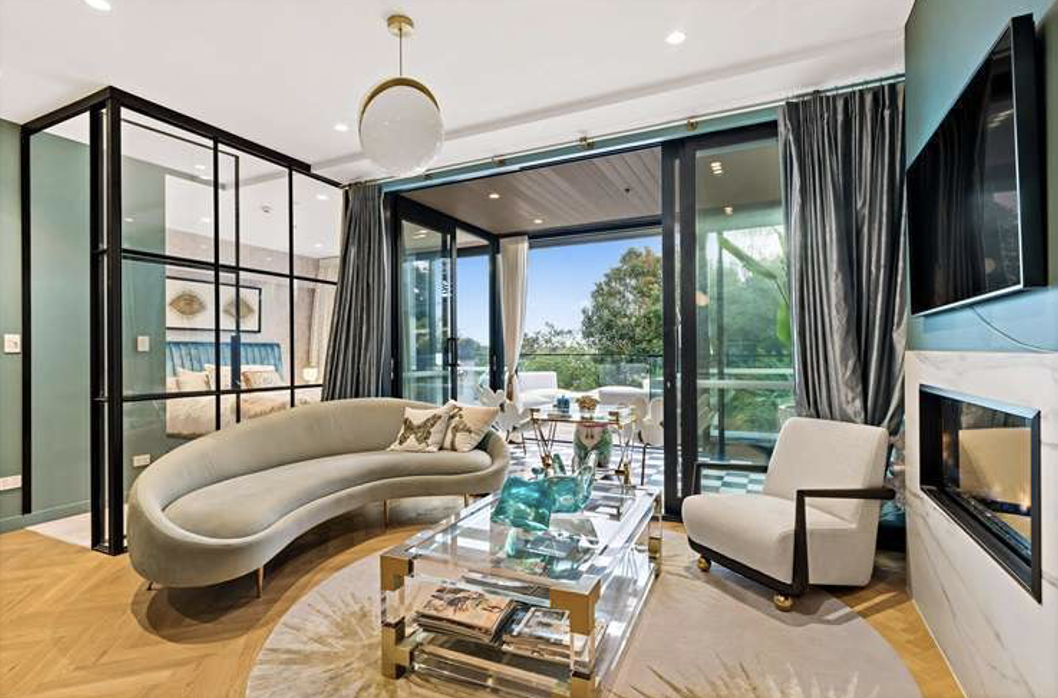
A two-bedroom apartment in Orakei was recently listed for sale by its mortgagee
The land area is 4.3821 hectares. The property has a market value of NZ$3,600,000 and last changed hands in December 2015 for NZ$1,750,000. Other Auckland properties facing forced sale include a two-bedroom Orakei apartment linked to well-known property investor Nikki Connors, a renovated home in Otara and townhouses in Panmure.
Tom Rawson of Ray White Manukau said financial pressure was affecting all types of property owners, from owner-occupiers to investors, developers and everyone in between.
He said owner-occupiers could run into difficulty following changes such as job losses, investors might have overextended themselves, and developers could have been caught off guard by rising interest rates. His South Auckland sales team works with many property owners feeling financial pressure. He has found that many homeowners decide to sell before the bank forces a sale, sometimes receiving only enough to repay the mortgage. ‘People are very aware of their financial position and the cost of money. They have lost their equity, but repaid the bank.’
Rawson expects more mortgagee sales to come onto the market, but noted that despite difficult market conditions and high interest rates, forced sales remained well below expectations. Kelvin Davidson also noted that current mortgagee sale numbers were far below the 2637 recorded in 2010 following the global financial crisis. He said borrowers’ attitudes had changed since then, and falling interest rates were also providing some relief.
Wayne Shum, senior research analyst at OneRoof’s data partner Valocity, said it took time for the full effects of a recession to emerge. He noted that lenders generally considered a forced sale only after borrowers had exhausted all other options, such as paying interest only for a year or selling at a discount to repay the loan.
‘There is still some pain to work through in the system. The Reserve Bank of New Zealand estimates that unemployment, currently 4.6%, will reach around 5% in early 2025 and will not fall until 2026.’ Shum hopes buyer demand will recover in the meantime, allowing struggling homeowners to sell voluntarily rather than face a mortgagee sale.
So, are mortgagee sale properties worth buying? We interviewed two experienced real estate sales consultants for their views.
YIJU: As a real estate sales consultant, do you think mortgagee sale properties are worth buying? What should buyers watch out for if they proceed?

Lily Zhang
Barfoot & Thompson
Real estate sales consultant, Albany branch
Lily Zhang:The process of buying a mortgagee sale property differs considerably from a normal property sale, particularly in who bears the risk. When buying an ordinary property, the seller must ensure that its condition at settlement matches its condition when the buyer viewed it, providing some assurance about the property’s condition. Mortgagee sales are the opposite: sometimes buyers cannot even enter the property to inspect it. Once purchased, there are no guarantees covering any problems with the property at settlement, and buyers bear all the risks themselves. Mortgagee sales therefore carry far greater risks than normal property purchases.
Although mortgagee sale properties are generally considered cheaper than homes sold through normal channels, ‘cheap’ does not necessarily mean good value. Mortgagee sale prices are determined by the requirements of the selling institution rather than market value. Buyers therefore need to research carefully to establish whether the price is reasonable.
Personally, I do not think first-home buyers or inexperienced buyers should venture into mortgagee sales lightly. If you are an experienced property investor, however, or have a professional team helping you investigate and assess the property, a mortgagee sale could be worth considering. Alongside managing the risks, you need a clear understanding of the potential benefits. Every decision should be based on thorough professional investigation and research.

Annie Xu
Barfoot & Thompson
Real estate sales consultant, city centre branch
Annie Xu:I believe mortgagee sale properties are worth buying, as they often offer the chance to buy quality homes below market value. In the normal market, buyers can use loans to purchase properties, driving prices higher. With mortgagee sales, borrowing is more difficult or even impossible, so buyers with funds ready can often find properties offering better value for money. Many quality properties would also never come onto the market if their owners were not facing a forced auction.
However, buying a mortgagee sale property requires thorough due diligence; it should never be done casually. Mortgagee sales differ considerably from ordinary auctions, and particular care is needed when dealing with complex issues. Here are some key points:
-
No guarantees for appliances and equipment: There is no guarantee that any appliances or equipment in a mortgagee sale property will work, and they may even have been removed.
-
No guarantee of vacant possession or keys at settlement: Vacant possession at settlement may not be guaranteed, and keys may not be available. Buyers need to manage the handover themselves.
-
Responsibility for maintenance and repairs: Buyers are responsible for all internal and external maintenance and repair issues. The former owner will provide neither compensation nor repairs.
-
Additional debts: Sometimes buyers need to take on additional debts owed by the owner, over and above the auction price. Our company usually alerts buyers to these potential debts, but most agents have not handled mortgagee sales.
-
Have your funds ready: Mortgagee sales generally require prompt settlement, so buyers should arrange their funds in advance to ensure they can pay on time.
I therefore strongly recommend using a specialist agent to help purchase a mortgagee sale property, as this can avoid many potential problems and risks.