
A divided housing market revealed: New Zealand’s most expensive and cheapest suburbs ranked!
Davidson believes that although house price falls seem inevitable in the short term, the market could flourish again over the longer term as interest rates adjust and the economy recovers.
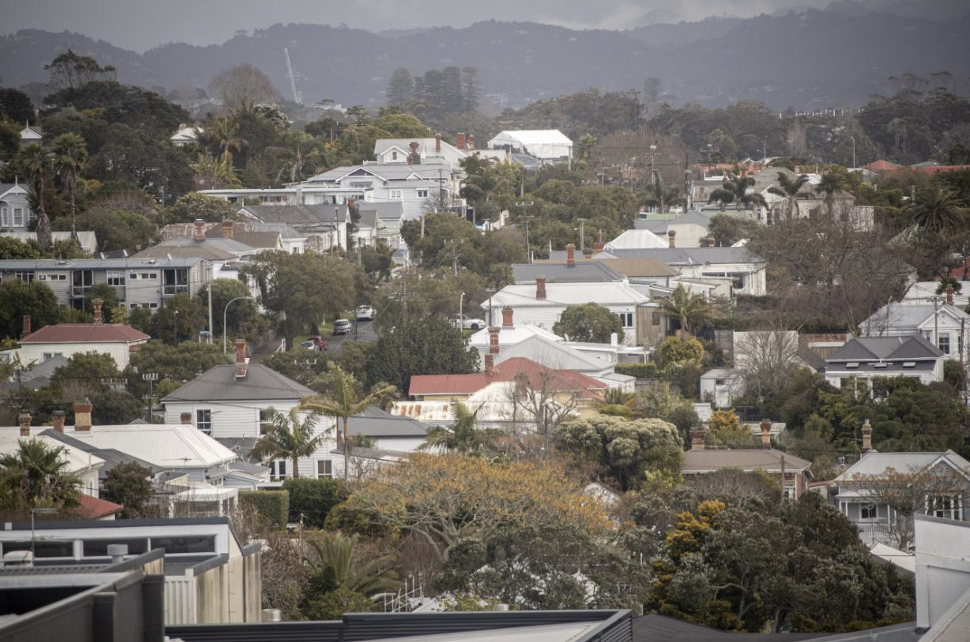
Over recent months, property markets in New Zealand’s major cities have shown a clear cooling trend. According to CoreLogic’s latest quarterly survey, although house prices rose in many suburbs over the past year, prices in numerous areas began falling sharply from June 2024. This change has extended beyond Auckland to Wellington, Napier, Nelson and other areas, where price falls have been more pronounced. So what is behind the market slowdown? Will this trend continue? These are questions every property investor should consider carefully.
Of the 951 suburbs covered by the survey, 480 recorded median house price increases of at least 1% since September 2023. Since June this year, prices have fallen in 674 suburbs, representing 71% of the total, with 175 recording declines of more than 2%. Looking at the overall data, although 50% of suburbs recorded “significant” house price growth over the past year, this does not mean the housing market is enjoying sustained, healthy prosperity.
CoreLogic New Zealand chief property economist Kelvin Davidson said renewed weakness in Auckland’s market reflected broader affordability pressures and a lack of buyer confidence. As New Zealand’s economic centre, Auckland’s house price movements are a particularly strong reflection of overall market sentiment. Price falls of more than 6% in suburbs such as East Tamaki and Northpark in just three months clearly demonstrate the market’s cooling.
Undeniably, falling house prices reflect more than cyclical market fluctuations; deeper economic and social factors are also at work. Soaring prices in recent years have deterred many potential buyers, particularly in expensive cities such as Auckland. Even in some previously more affordable suburbs, prices have reached levels beyond many people’s means. Declining buyer confidence has compounded market weakness, contributing to further price falls. Davidson’s analysis indicates that although some cities’ markets remain relatively resilient, affordability pressures have clearly spread to other areas.
So what lies ahead for the property market?
Davidson believes that although house price falls seem inevitable in the short term, the market could flourish again over the longer term as interest rates adjust and the economy recovers. Government housing policy reforms may play an important role, while a recovery in buyer confidence will also be crucial. Until then, however, the housing market will continue to cool.
New Zealand’s five most expensive suburbs
1
Herne Bay - Auckland
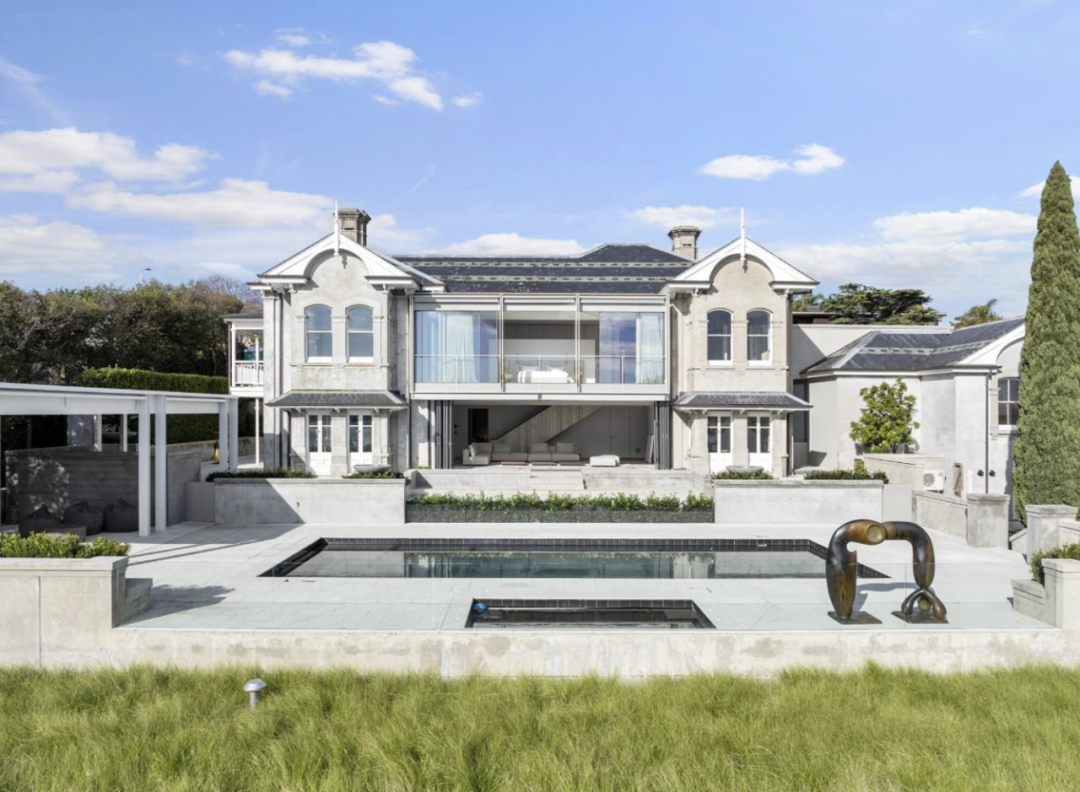
This property on Marine Parade in Herne Bay sold for more than
NZ$40,000,000
Herne Bay, on the south-western shore of Waitematā Harbour, is New Zealand’s most expensive suburb. As at 1 September, its average property valuation was NZ$3,378,900, up 5.6% on the same time last year. According to analysis by Infometrics chief economist Gareth Kiernan, a household would need an annual income of around NZ$808,000 to buy a property in Herne Bay.
2
Saint Marys Bay - Auckland
Next is Saint Marys Bay, an Auckland suburb steeped in history. As at 1 September, its average house price was NZ$2,757,200, down 1.1% from last year. Kiernan estimates that a couple would need an annual income of NZ$654,000 to buy here.
3
Westmere - Auckland
Westmere, next to Herne Bay, is the country’s third most expensive suburb. Its average property valuation as at 1 September was NZ$2,496,200, up 2.7% year on year. A household would need an annual income of NZ$581,000 to buy here.
4
Remuera - Auckland
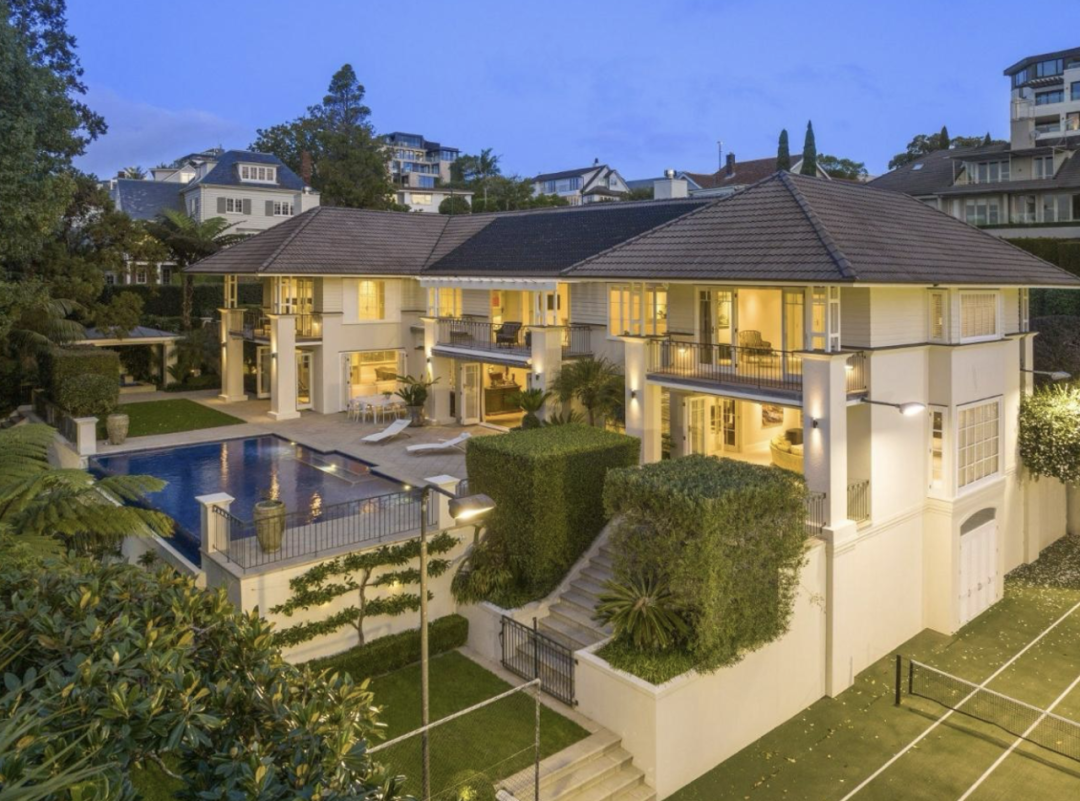
This property on Remuera Road was valued at NZ$25,500,000 in April this year
Remuera, outside central Auckland, ranks fourth. Its average property value as at 1 September was NZ$2,496,050, up 0.5% from last year. Kiernan estimates that a household would need an annual income of NZ$582,000 to buy here.
5
Arrowtown - Queenstown Lakes District
In fifth place is Arrowtown, the most expensive residential area outside Auckland. This historic gold-mining town has an average property value of NZ$2,450,250, up 11.1% on the same time last year. Buying in Arrowtown requires a household annual income of NZ$573,000.
Kiernan noted that although these suburbs may seem out of reach, many buyers typically trade up using accumulated property assets and equity. The real challenge for ordinary buyers is the relative increase in housing costs nationwide. As housing costs rise relative to incomes, more households are being forced to choose more affordable “working-class” suburbs while taking on substantial debt and long-term repayment pressures.
New Zealand’s five cheapest suburbs
With high mortgage rates, insurance costs and everyday living expenses, entering the property market today is certainly difficult. However, households with a combined pre-tax income of less than NZ$75,000 may find opportunities in some remote locations. According to CoreLogic data, these suburbs—in fact, small towns—are the country’s five cheapest places to buy.
1. Murupara - Whakatāne District
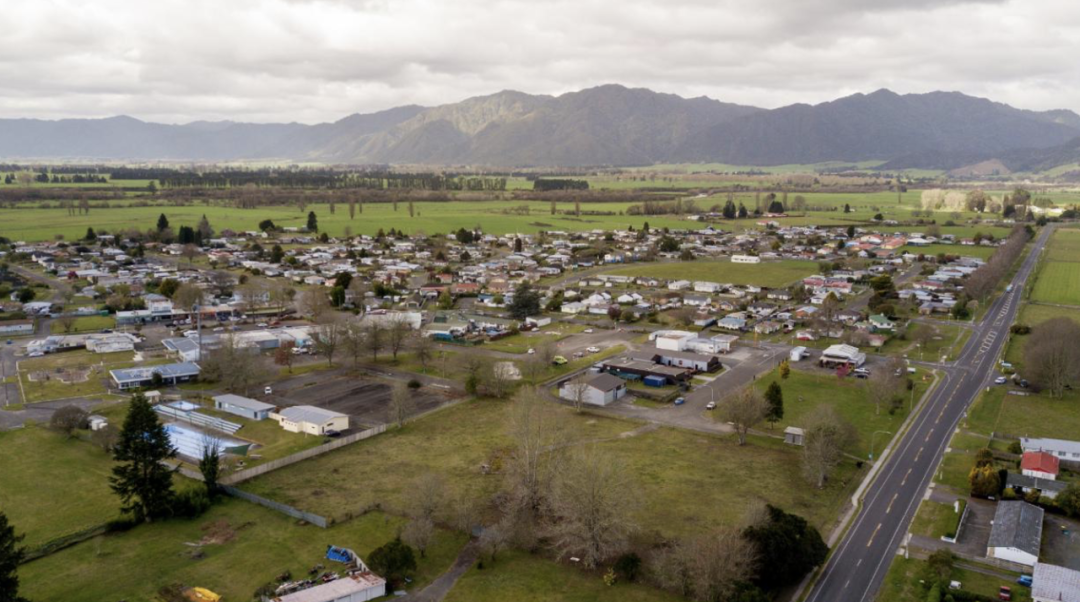 Murupara
 is in a remote part of the Bay of Plenty, near Kaingaroa Forest, on the banks of the Rangitaiki River. As at 1 September, its average property value was NZ$194,700, making it the country’s cheapest place to buy. This was up 0.1% on the same time last year.
Infometrics chief economist Gareth Kiernan estimates that a household would need an annual income of NZ$48,300 to buy in Murupara.
2. Mataura - Gore District
Mataura, another small town in Gore District, is also an affordable place to buy. As at 1 September, its average house price was NZ$260,600, down 10.4% from NZ$290,750 at the same time last year. Kiernan estimates that a household would need an annual income of NZ$64,700 to buy in Mataura.
3. Runanga - Grey District
Runanga, on the South Island’s West Coast, is about 8 kilometres north-east of Greymouth and is New Zealand’s third cheapest place to buy. As at 1 September, its average house price was NZ$276,850, up 5% from last year. Kiernan estimates that buying here requires an annual income of NZ$62,000.
4. Tuatapere - Southland District
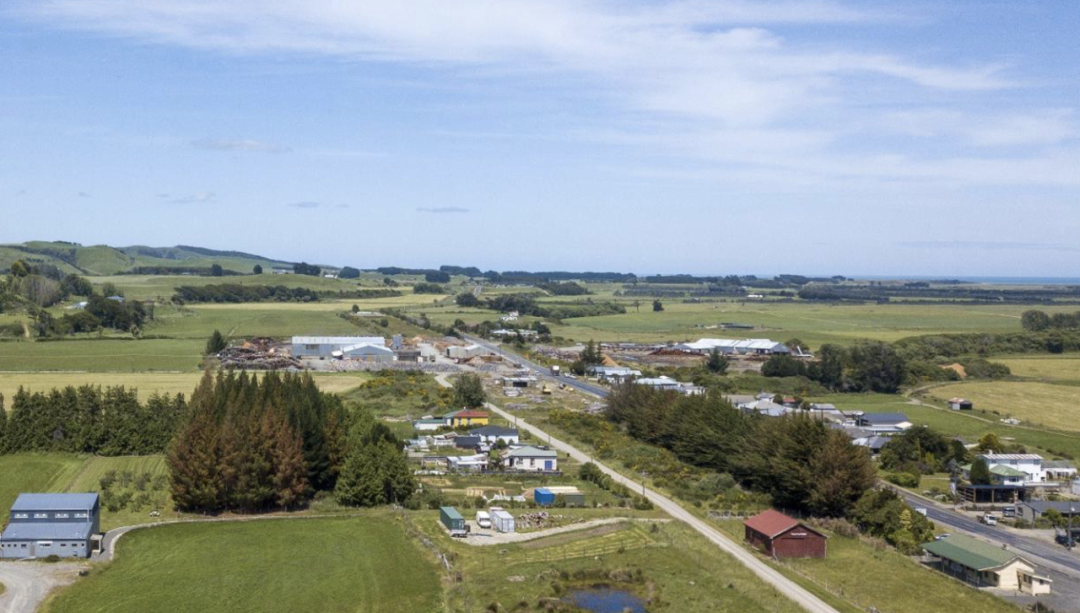
Tuatapere
Known as New Zealand’s “sausage capital”, Tuatapere is also a relatively affordable place to buy. The small town lies 87 kilometres north-west of Invercargill. As at 1 September, its average property value was NZ$309,250, up 7% on the same time last year. Kiernan estimates that a household would need an annual income of NZ$70,300 to buy in Tuatapere.
5. Cobden - Grey District
Cobden is another small town in Grey District, on the West Coast near Greymouth. Cobden recorded the strongest house price growth over the past year. As at 1 September, its average house price was NZ$313,000, up 22.6% from NZ$289,150 at the same time last year. Kiernan estimates that buying in Cobden requires an annual income of NZ$71,500.
However, Kiernan noted that although places such as Murupara and Runanga appear affordable for households at almost every income level, the difficulty often lies in stable incomes and employment. “Although these areas have the country’s most affordable house prices, there are few reasons drawing people to move there, which is one reason their house prices are so low.”
Would you choose to leave a major city to buy a home and settle in a smaller centre?