
Breaking: Approval exemption for homes under 60 square metres widely welcomed! Could overseas buyers still have a future in New Zealand's housing market?
Under the coalition agreement between National and New Zealand First, the Government has committed to amending the Building Act and the resource consent system to make it easier to build granny flats or other small buildings under 60 square metres.
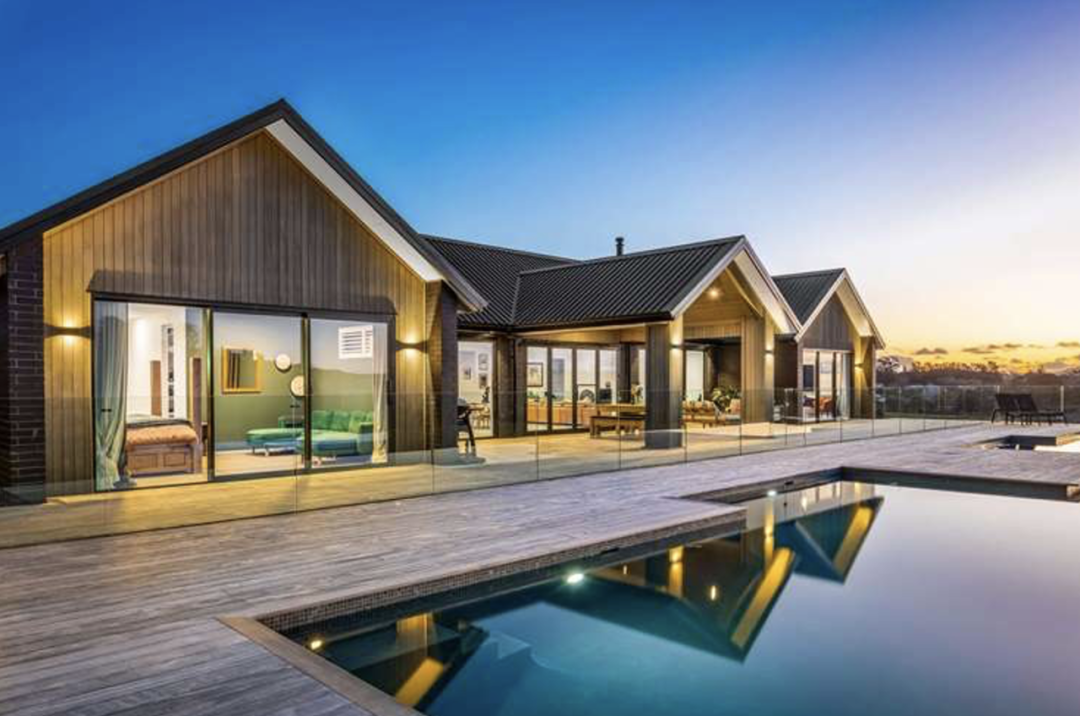
Yesterday, the New Zealand Government announced a new policy aimed at simplifying the construction of granny flats by removing resource consent requirements for homes under 60 square metres, to increase the supply of affordable housing. Housing providers and opposition parties have warmly welcomed the policy.
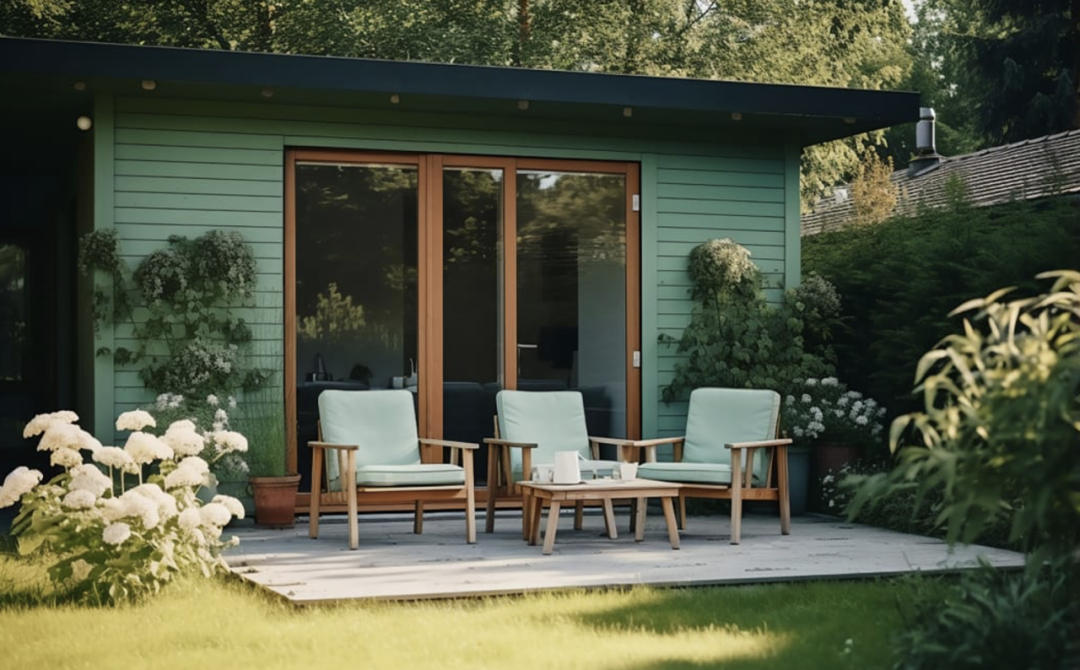
The legislative amendments aim to make granny flats easier to build,
and increase the supply of affordable housing
The policy's background and purpose
Under the coalition agreement between National and New Zealand First, the Government has committed to amending the Building Act and the resource consent system to make it easier to build granny flats or other small buildings under 60 square metres. The original proposal required an engineer's report, but the latest discussion document indicates that this requirement will also be removed to reduce additional construction costs and demand for engineering services.
Opposition support and concerns

Labour housing spokesperson Kieran McAnulty expresses support
Labour housing spokesperson Kieran McAnulty said he supported the proposal, while stressing that these homes must still comply with the Building Code. He said: “We need as many homes as possible to address the housing crisis.” However, McAnulty was also concerned that granny flats could be packed too closely into backyards, affecting stormwater drainage.
An expert's view
John Tookey, a professor of construction at Auckland University of Technology, believes the change will save several thousand New Zealand dollars during construction and is, overall, a positive step for housing supply. However, he is also concerned that greater housing density will put pressure on infrastructure and services, including drinking water, wastewater treatment, roads, schools and GPs. He stressed: “If Auckland's population increases by several hundred thousand, we need to provide the corresponding water supply.”
Local experience and results
Willie Te Aho, strategic adviser to Gisborne-based Toitū Tairāwhiti Housing, pointed out that these rule changes had already proved successful in Gisborne and Hawke's Bay. Following Cyclone Gabrielle, consent requirements were relaxed in these areas to house displaced families. He said the changes had already helped Toitū Tairāwhiti rehouse 20% to 25% of residents.
YIJU believes that, despite some concerns, the policy of removing resource consent requirements for homes under 60 square metres is generally seen as an important step towards addressing New Zealand's housing shortage. The Government, opposition parties, experts and local housing providers are actively assessing and responding to the change, hoping to see practical results in the coming months.
When will the Government lift the overseas buyer ban?
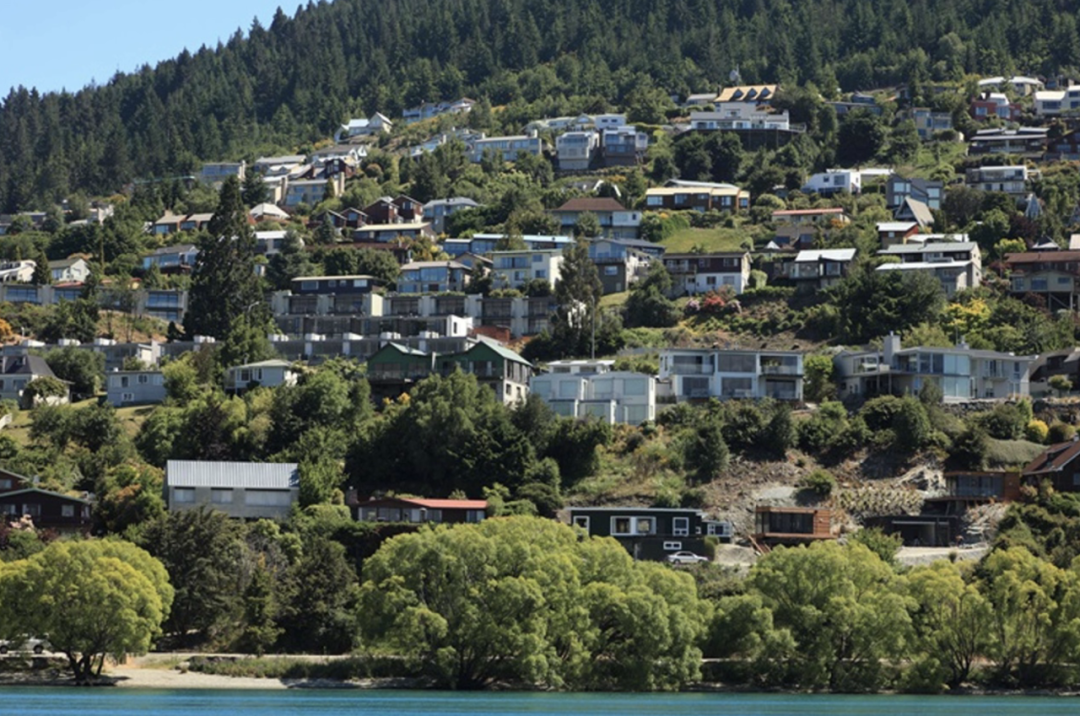
Luxury homes line Queenstown's lakeside areas,
which are highly sought after by wealthy buyers from New Zealand and overseas
Discussion of the policy has recently returned to the spotlight after Mark Harris, managing director of New Zealand Sotheby's International Realty, and Caleb Paterson of luxury real estate agency Paterson Luxury publicly urged the coalition Government to reconsider lifting the overseas buyer ban. Harris and Paterson believe the current ban is costing New Zealand substantial potential economic benefits, particularly in the high-end property market.
Coincidentally, even before these real estate agents made their comments, encouraging signals had emerged from New Zealand's property industry and political circles that National's election pledge to allow wealthy overseas buyers into the housing market could return to the agenda.
Background to the ban
In 2018, the Labour Government introduced the overseas buyer ban to prevent overseas investors from driving up New Zealand house prices and to protect housing affordability for local residents. Before the election, however, National pledged to lift the ban and proposed a 15% surcharge on foreign purchases of homes worth more than NZ$2,000,000, to raise around NZ$740,000,000 annually. National ultimately abandoned this pledge because of its coalition agreement with New Zealand First.
In an open letter published last week, Harris wrote: There was little new in the Government's Budget announcement. We were more interested in what was missing, such as National's original proposal for a 15% surcharge on overseas buyers purchasing properties worth more than NZ$2,000,000, which had not made it onto the agenda.
The impact of the current ban
Harris and Paterson said the ban had had a serious negative impact on New Zealand's high-end property market. Paterson said a shortage of buyers for Auckland lifestyle properties was forcing sellers to discount their prices. A property he was marketing on Lennon Access Road in Stillwater had its asking price reduced from NZ$5,500,000 to NZ$4,500,000 within 6 months of listing, a drop of NZ$1,000,000. Harris believes the Government should reconsider the policy's feasibility and raise the tax threshold to above NZ$5,000,000 to attract high-net-worth foreign investors without affecting the lower end of the housing market.
According to Harris, around 800 properties worth more than NZ$5,000,000 were sold in New Zealand last year. He said this showed there was sufficient room in the high-end market for foreign investment without having too much impact on housing affordability for local residents.
Harris's real estate agency reportedly specialises in high-end residential property sales and regularly handles transactions worth more than NZ$5,000,000. Most of its enquiries come from overseas buyers, but under the current rules, only Australian and New Zealand citizens can buy property in New Zealand without Overseas Investment Office approval.
He said it was currently “very difficult” for overseas buyers to purchase property in New Zealand, as they first needed permanent residency. Unfortunately, many overseas buyers struggled to meet the minimum residence requirement of 183 days. Several of his high-net-worth clients abandoned their New Zealand property investment plans last year for this reason. One client was called away on overseas business after spending 150 days in New Zealand and had to restart the residence count…