
Why has National rejected the Medium Density Residential Standards? Labour accuses it of a U-turn! Are the new government's housing policies a poison or a cure?
In 2021, the two parties reached an agreement on housing density, allowing medium- to high-density, three-storey homes on residential land in major cities to address New Zealand's longstanding housing crisis.
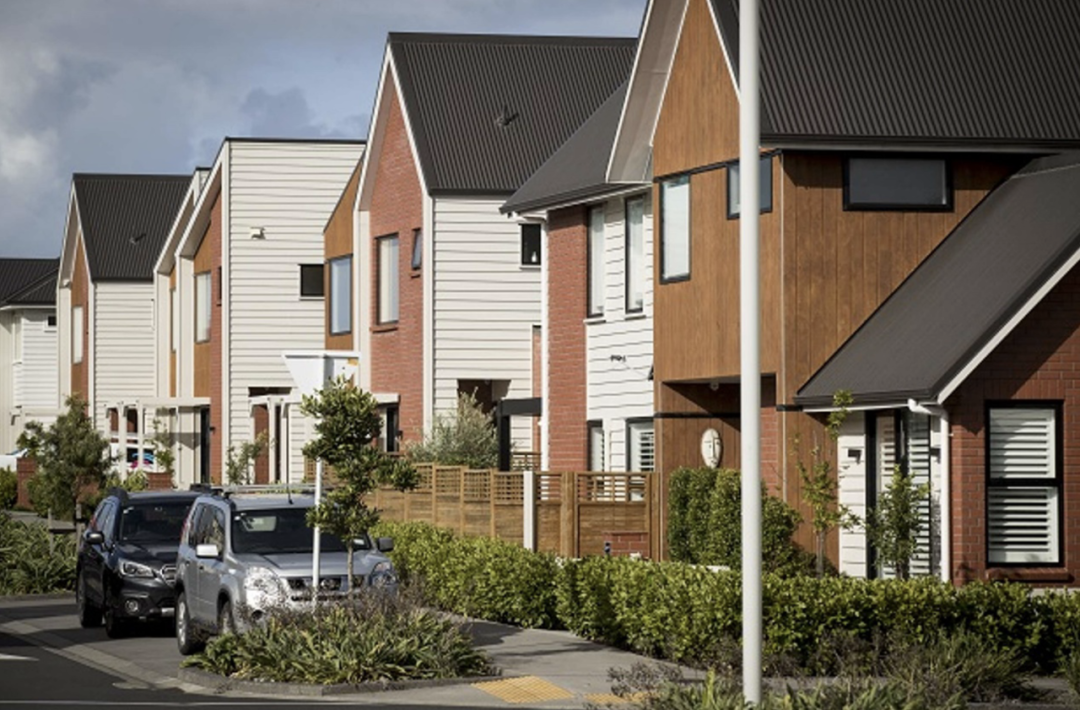
Former Labour housing minister Megan Woods recently criticised National's “U-turn” on the Medium Density Residential Standards, describing the move as overly political.
In 2021, the two parties reached an agreement on housing density, allowing medium- to high-density, three-storey homes on residential land in major cities to address New Zealand's longstanding housing crisis. However, National unexpectedly withdrew its support in May last year, ahead of the election. Christopher Luxon, then National's leader and now Prime Minister, told a public meeting that National had got the density rules wrong, despite having supported them earlier.
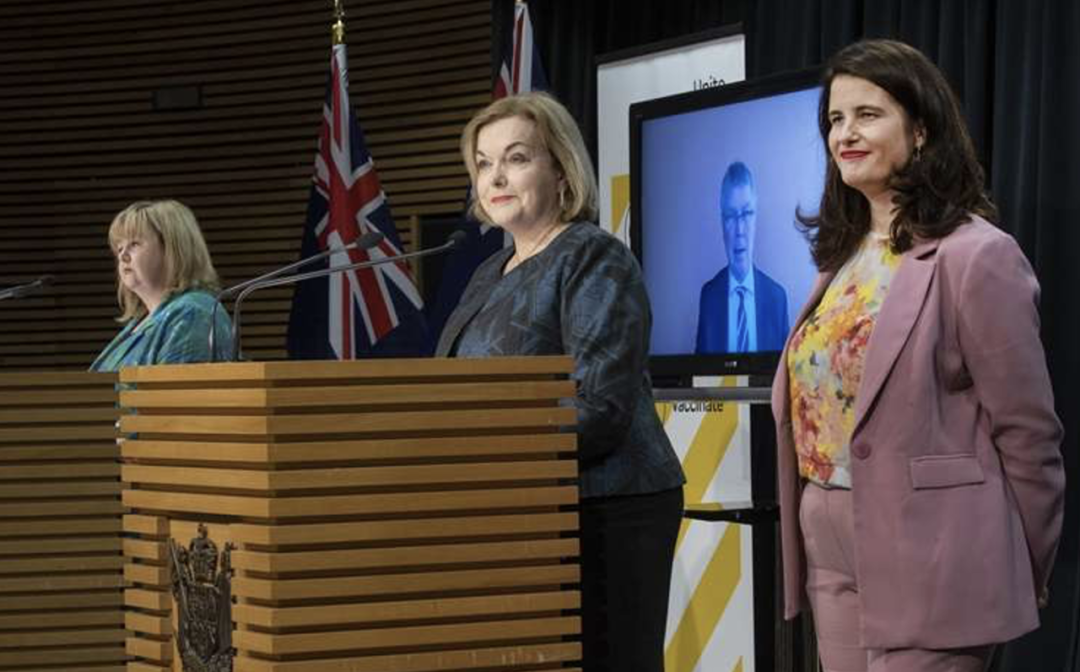
In 2021, Woods joined then National leader Judith Collins and then housing spokesperson Nicola Willis to announce changes to housing density rules
Woods said National deputy leader Nicola Willis and then National leader Judith Collins had initially approached Labour about housing density, and both sides had been willing to work together. When National withdrew from the agreement, however, Woods described it as an “extremely damaging moment” in New Zealand politics.
She said: “I think we have to be mature and work together on some very long-term issues. This was not a Labour policy; the idea came from National. We would not have had a policy like this if we had come up with it ourselves, because the public and the industry need to see policies that will last.”

Former Labour housing minister Megan Woods
Trust is not easily earned in politics, Woods said, and this “U-turn” reflected the “short-sighted behaviour” of National MPs during the election campaign. She said the parties' cooperation on medium density had been a rare moment of “maturity” in New Zealand politics, and called for more such moments.
The response from National's current Housing Minister Chris Bishop

New Zealand Prime Minister Christopher Luxon listens to Housing Minister Chris Bishop speak about the government's priorities in March this year
National's current Housing Minister Chris Bishop addressed the issue directly in a public speech hosted by the Wellington Chamber of Commerce in February this year. He stressed the need to give councils more autonomy over density decisions and to take an approach to housing development that balanced environmental considerations and infrastructure provision. He stressed that National was considering the best way to implement its 30-year growth policy. Its aim was to get the policy mechanisms right, and although legal complexities remained to be resolved, the “direction of travel” was clear. Bishop said: “We want councils to continue with plan changes to enable more housing, and whether the MDRS can be implemented will depend on councils demonstrating that their areas have 30 years of development capacity.”
Bishop also acknowledged the moral imperative for housing reform. Previous governments' failed housing policies had pushed New Zealand further into poverty, worsened inequality, made people poorer rather than richer, and shattered New Zealanders' democratic dream of home ownership. National's current housing policies, however, focus on tackling the housing crisis through a series of policy measures intended to make homes more affordable and reduce the inequality exacerbated by high house prices.
Labour details its objections to National's housing policies
On Tuesday this week, Woods publicly voiced her dissatisfaction with the National-led government's latest housing policies, criticising changes to public housing and first-home grants. She warned that housing policies were interconnected and that National's new approach could adversely affect the construction industry and housing affordability. For example, the National government has announced changes to Kāinga Ora and funding cuts. Woods fears that if the government does not build state houses, the construction industry will suffer, undermining its development and prompting skilled workers to leave New Zealand.
Woods also expressed concern about other Labour policies National had abandoned. For example, she argued that restoring landlords' ability to deduct interest on existing homes would not encourage the development of new housing. She said Labour was not opposed to “mum and dad” landlords, but wanted them to help address the housing shortage by adding to supply, rather than competing with their own children for existing homes.
Woods also could not understand why National had scrapped another “absolutely critical” factor for first-home buyers: the First Home Grant scheme. She said one of Labour's changes had been to make grants available beyond couples, allowing many people who could not afford a home to obtain grants and loans jointly with other family members. She stressed that Labour's work on progressively helping first-home buyers into ownership had delivered good results, successfully helping around 1500 families into their first homes.