
Act now—it is not too late! An essential winter home maintenance guide for New Zealand homeowners
As winter arrives in New Zealand, home maintenance becomes especially important. Whether you live in your property or rent it out, good winter maintenance helps keep it comfortable, extends its lifespan and reduces repair costs. Today, we take a comprehensive look at winter home maintenance from a professional perspective.
As winter arrives in New Zealand, home maintenance becomes especially important. Whether you live in your property or rent it out, good winter maintenance helps keep it comfortable, extends its lifespan and reduces repair costs. Today, we take a comprehensive look at winter home maintenance from a professional perspective.
Exterior maintenance
Check the roof and drainage system
With frequent rain and snow during New Zealand winters, the condition of your roof and drainage system directly affects your home’s ability to keep water out. Loose roof tiles can allow rainwater to seep through gaps and cause internal damage. We therefore recommend paying particular attention to the gutters and roof when cleaning.
Clear the gutters
Keep gutters and downpipes clear of debris to prevent rainwater from pooling and freezing, which can overload the roof or cause leaks. Wherever possible, choose clear weather to go onto the roof and clean all gutters and downpipes. Take care if using a water sprayer to clean the gutters, as the force of high-pressure water can cause it to splash out of the gutter and penetrate the walls.
Inspect the roof
Check the roof for damaged tiles or cracks and repair them promptly. Pay particular attention to the eaves and areas around skylights, as these are especially prone to leaks. Over time, property damage caused by leaks costs far more than the time and money spent on routine inspections. Checking each winter therefore helps minimise both costs and risks.
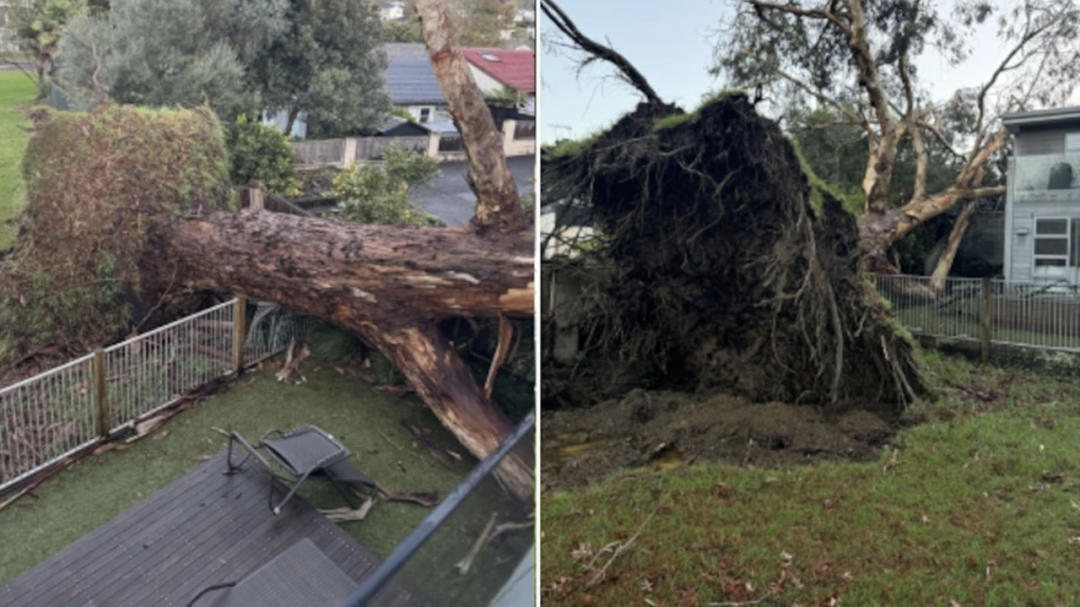
Prune trees. On 30 May, a tree struck a house in Meadowbank, Auckland
Branches can easily break in wind and snow, posing a threat to homes and pedestrians. In strong winds, branches can scrape or puncture a house, damage roofing or power lines, or even fall onto the roof. Regularly check trees near your home and prune potentially hazardous branches in advance. If the ground around your property is unstable, also watch for shallow-rooted trees that could topple in strong winds.
When pruning branches, take care when working at height and keep well away from any power lines. Depending on the size of the tree, you may need professional help. Keep branches clear of the roof and power lines to prevent damage if they break under snow or ice.
Keep out the cold
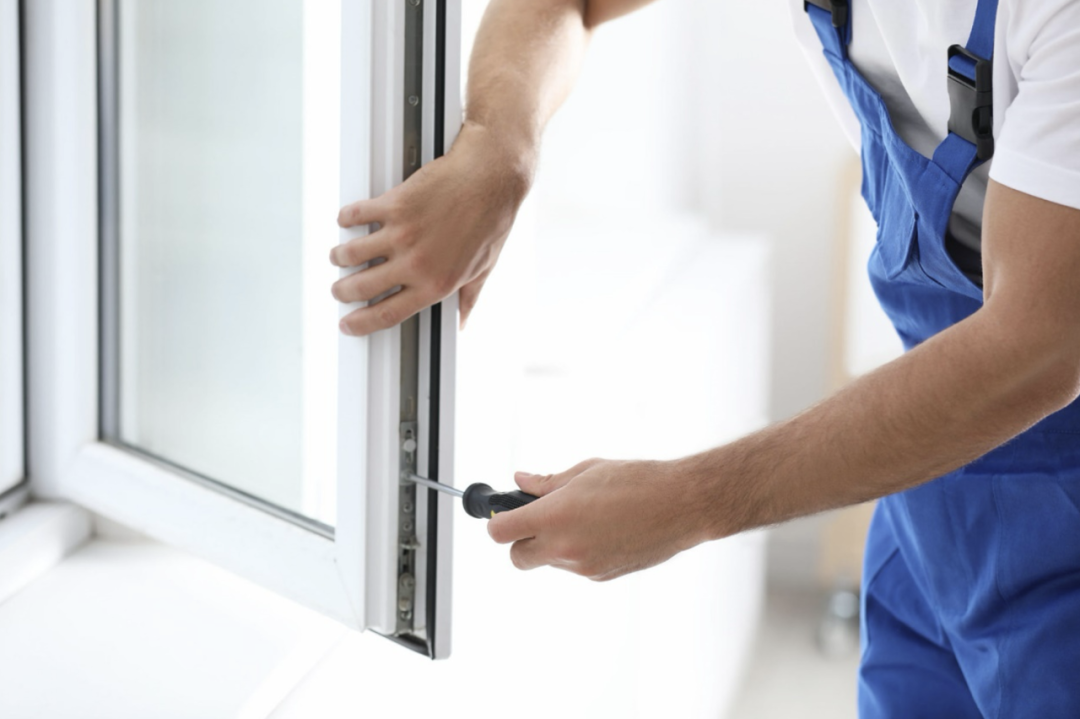
Alongside indoor heating, measures to keep cold air out around doors and windows are important. Aluminium and timber window frames are among the areas most prone to water ingress in damp winter weather. Cold air and rain can easily enter through gaps around windows, so replace damaged seals or fit draught strips to keep the cold out.
Gaps around doors and windows can be difficult to see. On a windy day, you can light a candle and hold it near their edges, watching the flame to identify draughts around the frames. If you find a draught, try applying self-adhesive foam around the affected window or fitting a draught strip beneath the door to further reduce cold air entering. Over time, these simple measures can save you substantial repair and electricity costs.
Interior maintenance
Heating systems
Keeping your heating system working properly in winter is essential for indoor comfort. Before winter arrives, have a professional thoroughly inspect and service your boiler, heat pump or air-conditioning system to ensure it runs efficiently. Regularly replace or clean heating equipment’s air filters to improve heating efficiency and maintain air quality.
Prevent freezing
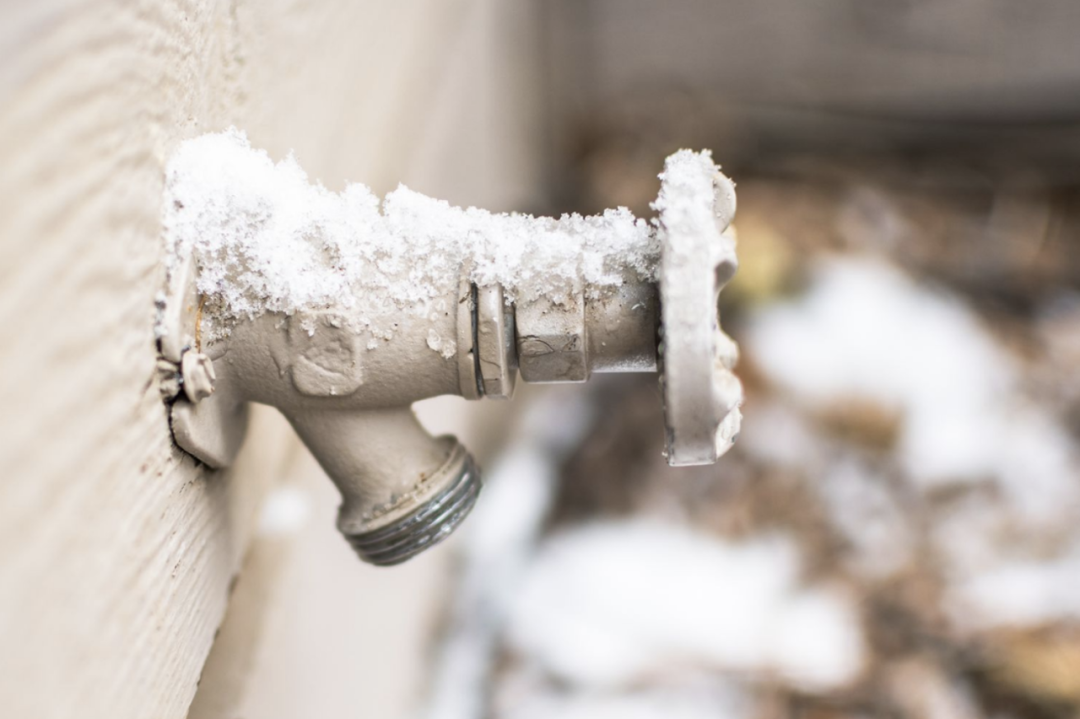
In colder parts of New Zealand, outdoor water pipes can freeze and burst. We recommend wrapping outdoor and exposed pipes in insulation. You can also leave a tap slightly open at night to keep water moving and prevent pipes from freezing and bursting. Check any frost-protection valves too, ensuring they all work properly to prevent burst pipes and leaks caused by freezing.
Indoor ventilation
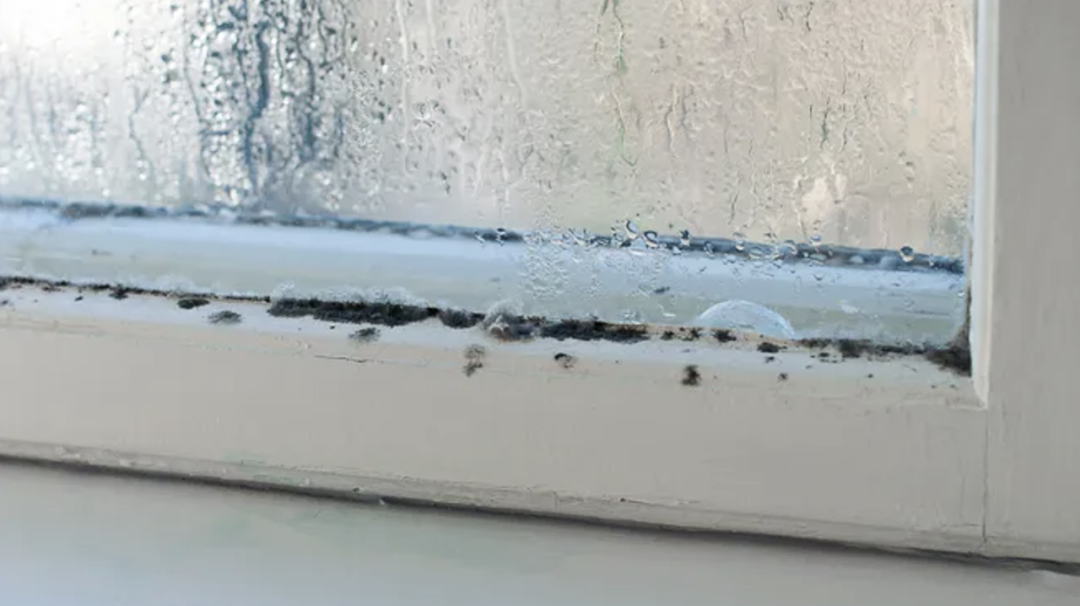
Although keeping warm is important in winter, ventilation must not be overlooked. New Zealand winters are often wet, and low temperatures can cause condensation, encouraging mould growth that can harm health. We recommend installing or using extractor fans in kitchens and bathrooms to reduce moisture build-up and prevent mould. You can also briefly open windows during the warmer middle of the day to ventilate your home and keep indoor air fresh.
For further professional insights and advice on winter home maintenance, we interviewed Clay Reeve, a property management expert at Barfoot & Thompson’s Glenfield branch. He explained the importance of preventing winter dampness, offering valuable information for landlords and tenants.

Clay Reeve
Head of Property Management of Glenfield Branch
YIJU: What damage can a home suffer if measures to prevent dampness and mould are neglected?
Clay Reeve: The most easily overlooked aspects of winter home maintenance are the issues that cause dampness.
In the worst cases, blocked stormwater drains and gutters can cause severe flooding in a home. Other potential hazards include:
- Structural damage: Excess moisture gradually damages a home’s structure. Timber can rot, weaken or warp, compromising the integrity of floors, walls and even foundations.
- Wall damage: Moisture can cause paint to peel, wallpaper to blister and plasterboard to deteriorate. This is unsightly and requires expensive repairs or replacement.
- Mould growth: Ignoring dampness creates ideal conditions for mould. It can spread rapidly across walls, ceilings and other surfaces, causing discolouration, stains and musty smells. Mould can also pose health risks, particularly for people with respiratory conditions or allergies.
- Health risks: Mould spores can cause respiratory problems, allergies and other health issues, particularly in vulnerable people. Prolonged exposure to mould can make these problems worse.
- Electrical damage: Moisture can corrode wiring and electrical components, potentially causing short circuits, electrical fires or appliance failures.
- Pest infestations: Damp environments attract pests such as termites, ants and cockroaches, which can cause further structural damage and increase maintenance costs.
- Reduced property value: Homes with visible moisture damage or mould problems can lose significant value. These issues may also deter prospective buyers or tenants, leading to longer vacancy periods.
- Higher maintenance costs: Neglecting measures to prevent dampness increases maintenance costs over time. Repairs can become very expensive if problems are allowed to worsen.
Overall, regular inspections, maintenance and prompt repairs of any moisture-related problems are essential to protect a home’s structural integrity, maintain indoor air quality and ensure occupants’ health and safety.
YIJU: What specific benefits do you think a regular maintenance plan offers landlords and tenants?
Clay Reeve:
For landlords:
Preserving property value: Regular maintenance keeps a property in good condition, helping preserve its market value.
Cost savings: Preventive maintenance can avoid more expensive repairs that result from leaving problems unresolved.
Tenant retention: A well-maintained property appeals to tenants, reducing tenant turnover and vacancy rates.
Legal compliance: Regular inspections and maintenance ensure a property meets all health and safety standards, helping landlords comply with legal requirements.
A better reputation: Landlords who maintain their properties well earn positive reviews for their reliability, attracting more responsible tenants.
For tenants:
Comfort and convenience: Regular maintenance keeps appliances, heating, ventilation and air-conditioning systems, plumbing and other facilities working properly, improving the living experience.
Safety: Timely maintenance addresses potential hazards such as faulty wiring, leaks or structural problems, making the home safer.
Long-term cost savings: When a property is well maintained, tenants are less likely to face unexpected repair or replacement costs.
A healthy living environment: Regular maintenance helps prevent mould, pests and other environmental problems that can affect indoor air quality.
