
Government announces “major reform” of building consent system! Do these two cities dominate the high-end market? This week's key developments for property investors
Penk noted that there are currently 67 BCAs nationwide, each with different practices and processes. Although New Zealand has a single Building Code, different BCAs can interpret the same building plans very differently, resulting in extra costs and delays. This significantly affects construction productivity and hinders growth and development.
1
Government announces plans to replace existing building consent system
Yesterday, New Zealand's Building and Construction Minister Chris Penk announced that the government was undertaking “major reform” of the building consent system. It plans to streamline processes by replacing the existing Building Consent Authority, BCA system. He said the reform would “incentivise innovation” and improve productivity.

Building and Construction Minister Chris Penk
Penk noted that there are currently 67 BCAs nationwide, each with different practices and processes. Although New Zealand has a single Building Code, different BCAs can interpret the same building plans very differently, resulting in extra costs and delays. This significantly affects construction productivity and hinders growth and development.
To simplify the process, the government has proposed three reform options:
1、Voluntary consolidation: Allow councils to work together and consolidate building control functions. Some councils already share resources, but barriers prevent full consolidation. This option would seek to remove those barriers.
2、Regional BCAs: Establish larger regional BCAs to replace the existing 67 district and city council BCAs, improving consistency and achieving economies of scale.
3、Single point of contact: Establish a single submission point for builders to lodge building plans. Building inspections could be outsourced to existing BCAs or private consent providers, creating competition and encouraging specialisation.
Penk also said the reform would build on improvements to existing consent application processes, including removing consent requirements for ancillary units such as granny flats, increasing the use of remote inspections, and removing barriers to using overseas building materials. These reforms aim to simplify New Zealand's building consent application system, supporting housing supply and growth in the construction industry.
2
Auckland and Queenstown dominate New Zealand's high-end property market
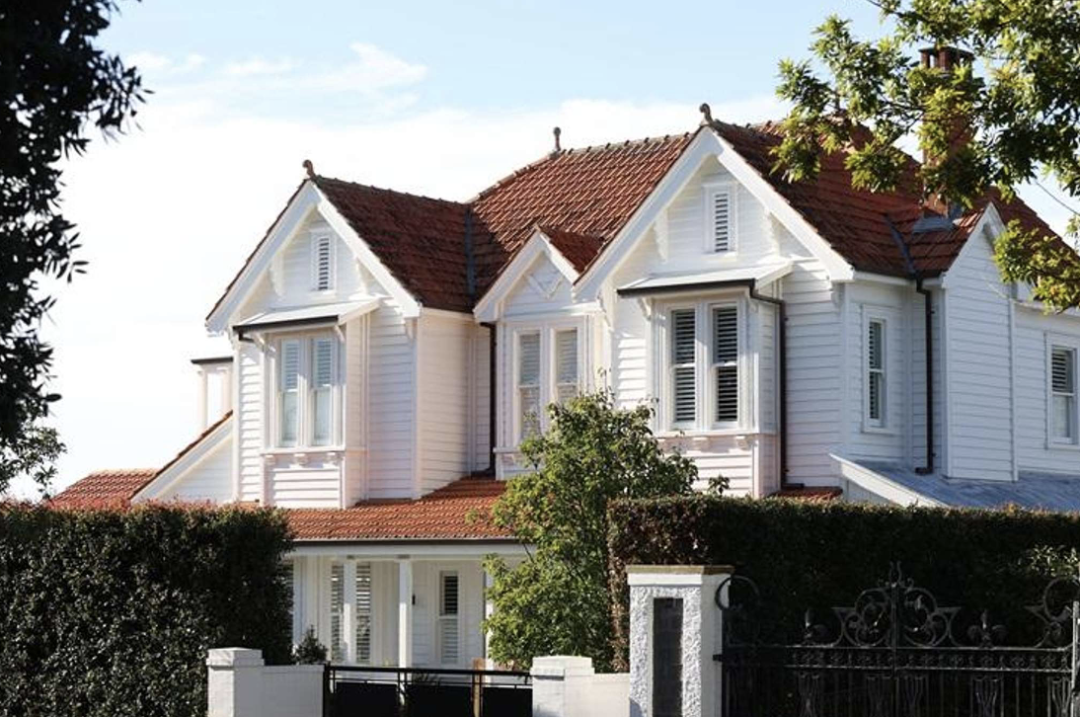
A recent detailed analysis by a research organisation of New Zealand's market for homes worth more than NZ$1,000,000 found that Auckland and Queenstown dominate the high-end market. More than half of property transactions above NZ$1,000,000 took place in Auckland, while Queenstown's sales, despite representing only 0.6% of the national housing total, accounted for around 4% of high-end property transactions. Around 28% of suburbs nationwide had median house prices above NZ$1,000,000, with half of these in Auckland. Well-known upmarket suburbs including Herne Bay (NZ$3,370,000), Saint Marys Bay (NZ$2,750,000), Westmere (NZ$2,490,000) and Remuera (NZ$2,490,000) ranked among the most expensive.
However, house prices in Queenstown have grown even faster than in Auckland, with median prices in nearly nine out of ten suburbs exceeding a million New Zealand dollars. This reflects the continuing rise in house prices, which is worsening New Zealand's housing affordability problems.
3
Bank lending activity gradually picks up
Despite high house prices, bank lending activity is gradually recovering. New mortgage lending totalled NZ$6,200,000,000 in August, up NZ$400,000,000 from a year earlier. Low-deposit lending increased in particular, helped by the easing of loan-to-value ratio (LVR) rules on 1 July. First-home buyers were the biggest beneficiaries, taking up 80% of the market's low-deposit lending.
4
Economic outlook remains subdued
Despite the increase in lending, New Zealand's overall economic outlook remains concerning. The New Zealand Activity Index (NZAC) fell 0.5% year on year in August, its second decline in three months. GDP edged down in the second quarter, suggesting the economy could contract further in the third quarter. This means the labour and housing markets may remain weak.
5
Are new home consents about to bottom out?
Stats NZ's August new home consent figures, due for release this Tuesday, will be worth watching closely. Although the construction industry faces challenges, recent signs suggest new home approvals may be nearing their low point, even if a recovery in actual construction activity will take longer.