
Reserve Bank confirms no rate cut for now! Mortgage defaults surge as experts predict a sharp rise in mortgagee sales
Mortgage defaults have been increasing recently as living costs rise and the public sector faces widespread job cuts. Real estate agents and mortgage advisers are widely feeling the pain in the market, with many in the industry predicting a further increase in mortgagee sales.
At two this afternoon, the Reserve Bank of New Zealand announced it would keep the official cash rate at its current level of 5.5%, while signalling that rate cuts could come earlier than previously expected.
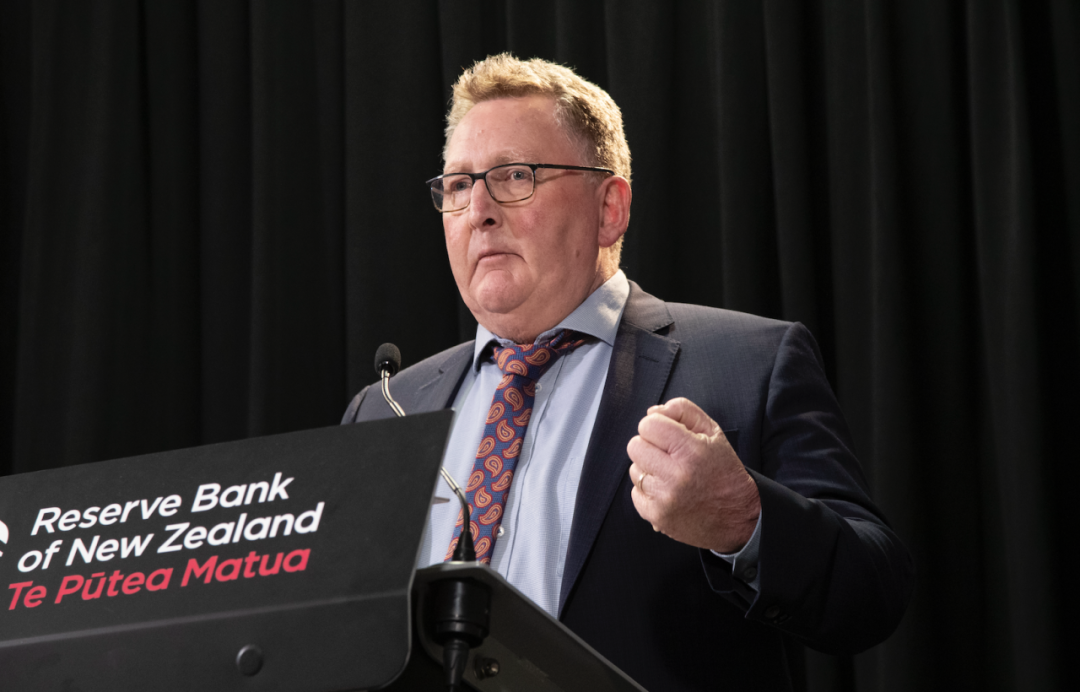
Reserve Bank of New Zealand Governor Adrian Orr announces that the OCR will remain unchanged
The Reserve Bank said the economy had slowed and labour market pressures were easing, but domestic inflation remained a problem. In a statement, the Monetary Policy Committee said: “Restrictive monetary policy has significantly reduced inflation, and the Committee expects headline inflation to return to the 1% to 3% target range in the second half of this year.” The statement also noted that annual inflation remained above the 1% to 3% target range and monetary policy needed to remain restrictive to ensure inflation returned to target. However, it dropped earlier language about interest rates needing to remain high for a prolonged period.
It is worth mentioning that the Reserve Bank of New Zealand released no new forecasts this time. Now, let us all hope the day of a rate cut arrives soon.
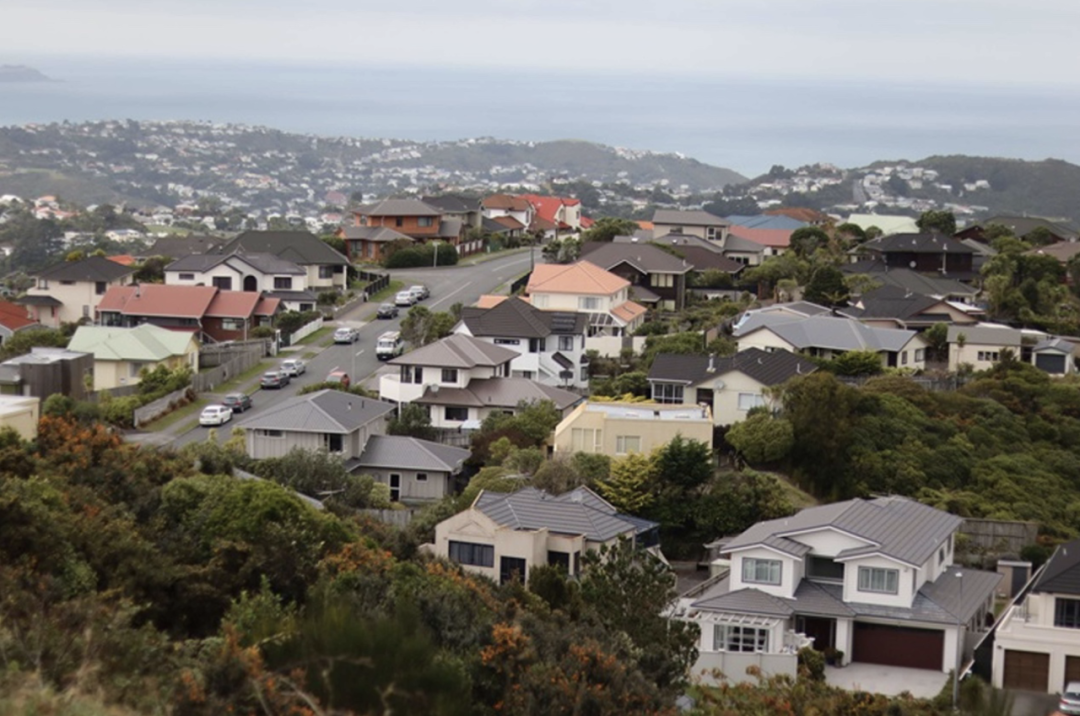
Mortgagee sale listings have risen 20% over the past six months
Mortgage defaults have been increasing recently as living costs rise and the public sector faces widespread job cuts. Real estate agents and mortgage advisers are widely feeling the pain in the market, with many in the industry predicting a further increase in mortgagee sales.
Since 2020, mortgagee sale listings have accounted for only a small share of the overall market, with an average of 23 mortgagee sales per quarter, well below the peak of more than 400 per quarter immediately after the global financial crisis. However, mortgagee sale listings on OneRoof.co.nz have increased by 20% over the past six months. A Wellington mortgage adviser who wished to remain anonymous said high living costs and thousands of public sector job cuts would lead to more forced mortgagee sales. He noted that falling house prices meant sellers could still owe money after their homes were sold.
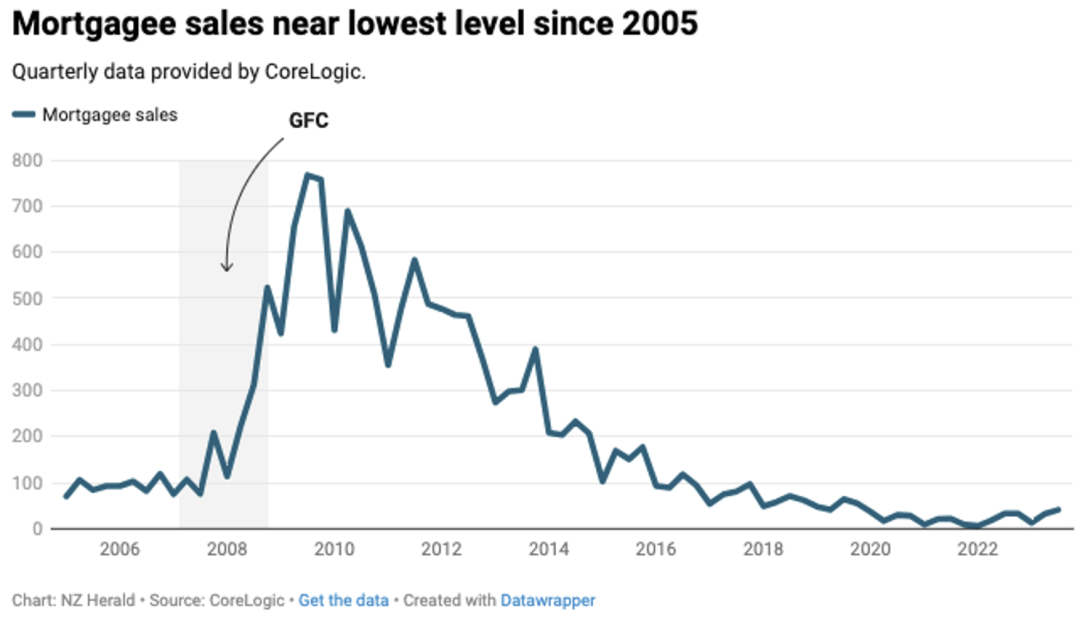
Quarterly changes in mortgagee sales from 2005 to the present (Source: CoreLogic)
Although Wellington has yet to see a marked increase in mortgagee sales, calls for help from borrowers under pressure have already risen. The adviser predicted that the loss of 6000 jobs would leave more people struggling. A forced sale could mean selling a home for far less than its purchase price, causing further financial losses. Bayleys Wellington regional general manager Grant Henderson said his team had already been involved in four mortgagee sales this year. He noted that the cost-of-living crisis was affecting people on all fronts: alongside food, electricity and mortgage interest rates, insurance premiums and council rates had also risen substantially.
In some cases, banks had spent three years trying to help people, without success. Henderson advised anyone feeling under pressure to contact a real estate agent as soon as possible to understand their options. He also noted that spring listings could increase as people acted ahead of forced sales. Many homeowners facing financial difficulties tend to fall into denial, which is the worst option. Henderson said banks did not want to resolve problems through mortgagee sales, but all the costs kept mounting when borrowers were in trouble.
Mark Honeybone of property investment firm Harcourts Property Ventures said some borrowers had stopped paying because they could no longer afford their mortgage repayments, leading to more forced sales. Several properties he was marketing were being sold under compulsion, including one in Papakura described as a “forced sale on the instructions of a third-tier lender”.
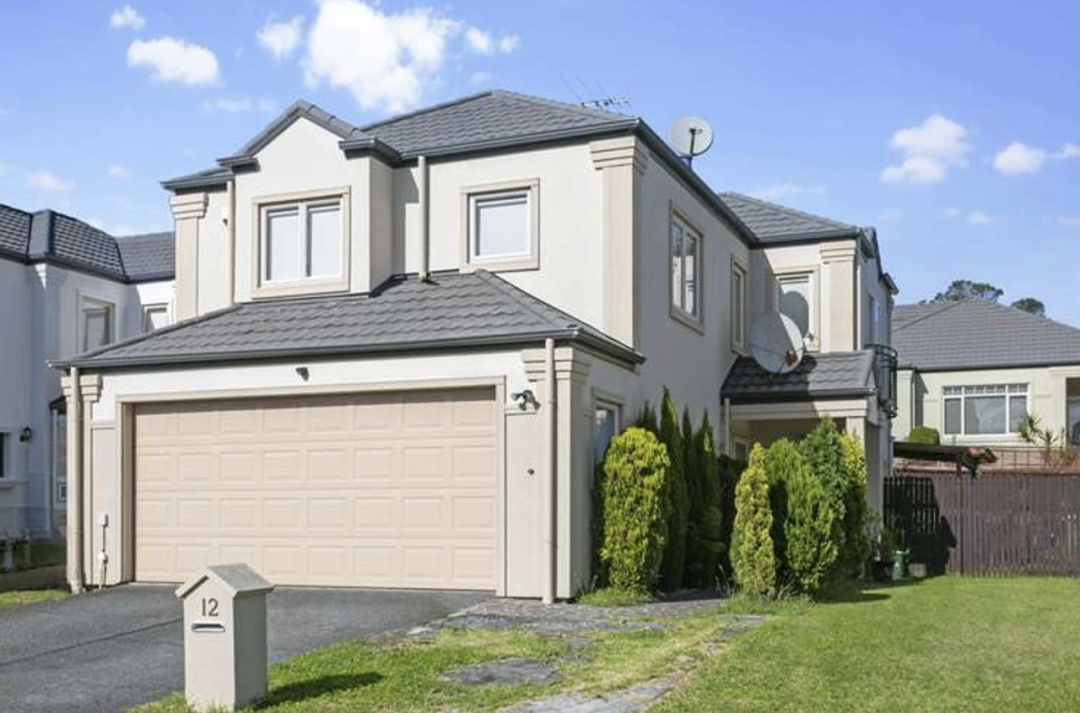
A three-bedroom house at 12 Terracotta Drive in Auckland’s Blockhouse Bay is listed for a forced mortgagee sale
The situation is equally difficult in Auckland. George Erdos of Ray White said banks were trying “every possible alternative” to avoid mortgagee sales, but the real problems emerged once mortgage holidays and interest-only options had been exhausted. In his view, part of the problem lay with the CCCFA rules introduced in 2021. Banks were extremely wary of spending habits, so applicants unable to secure finance turned to second-tier lenders, which charged much higher interest rates. This became particularly problematic when the market turned, with falling house prices leaving borrowers owing banks more than their properties were worth.
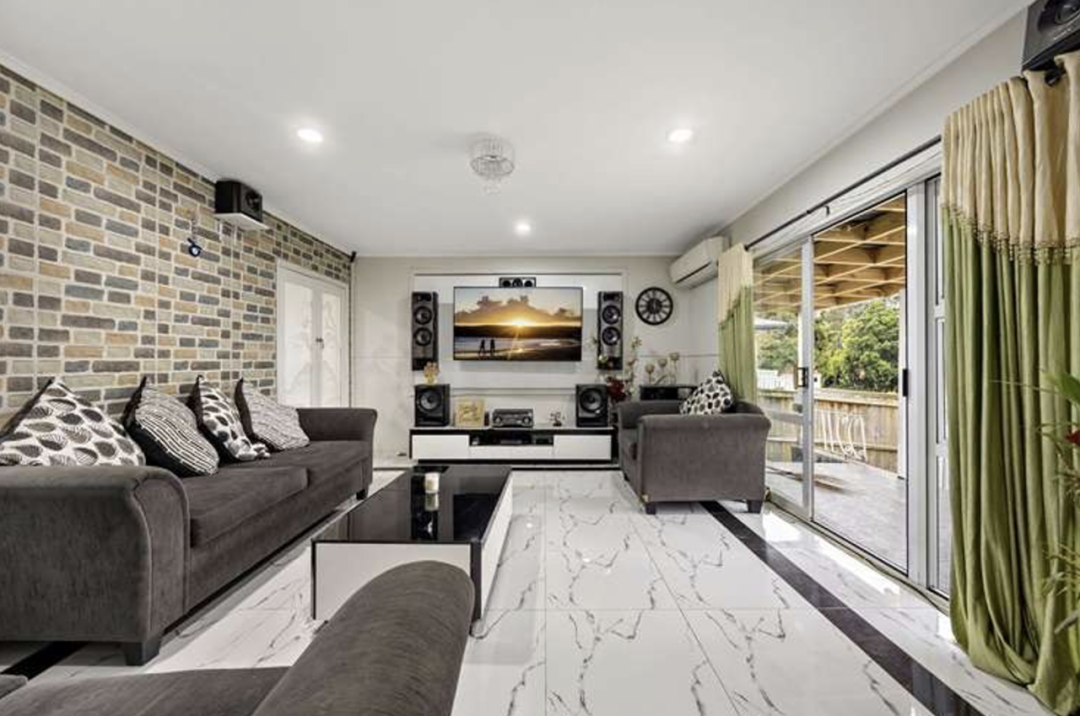
A property at 417 Great South Road, Opaheke, Papakura, described as a “forced sale on the instructions of a third-tier lender”, will be auctioned on 24 July
In West Auckland, Kyle Reardon of Loan Market said many people approached him for advice before they began having trouble with repayments. He believed the Government needed to provide a financial helpline to guide people. Immense financial pressure and high mortgage payments were also increasing the psychological strain on borrowers.
He gave the example of a couple whose wife had lost her job and who needed to make mortgage repayments of around NZ$6000 to NZ$7000 a month. The lender agreed to an interest-free arrangement for 5 months, but monthly repayments still exceeded NZ$5000, while the couple could afford no more than NZ$3500. Their mortgage also exceeded the property’s current market value.
At this stage, borrowers have very few options, and none is favourable to them. One is a mortgagee sale, which will damage their credit record for years and is likely to leave them still repaying outstanding debt after the home is sold. If borrowers sell the property themselves before a mortgagee sale, but the proceeds fall short of what they owe, they must still repay the difference to the lender despite having lost their home.
Cameron Marcroft, director and senior adviser at Loan Market Central, said Auckland’s more expensive suburbs had not yet seen large numbers of mortgagee sales, but were still facing difficulties. His clients were generally proactive and tended to avoid reaching that point. Fortunately, he said, most of his clients had not reached that stage, but they were undoubtedly still going through tough times. He was seeing conditions become harder for small business owners. They often financed their businesses against their homes, leaving them vulnerable if their business investments failed. They acted proactively because they did not want their credit damaged or others to know their properties were being sold under compulsion.