
How will Trump’s return to power affect New Zealand? With the housing market and economy facing challenges, should investors welcome it or worry?
Last night, Republican presidential candidate and former US president Donald Trump declared victory in the 2024 US presidential election, sparking widespread discussion around the world.
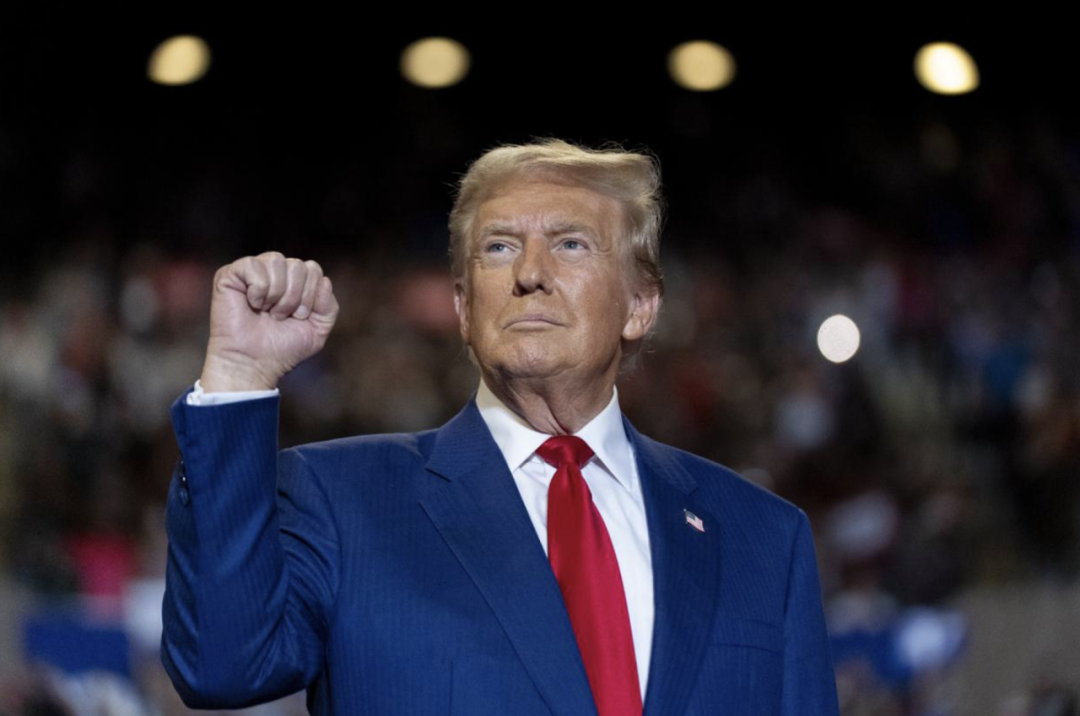
For New Zealand, Trump’s re-election represents more than a political change. It also means the economy and property sector could face considerable uncertainty and potential opportunities over the coming years.
From trade policy and interest rate trends to the complex evolution of international relations, how will Trump’s policies affect New Zealand? In this article, we examine their far-reaching implications for New Zealand’s economy and investors, and possible responses.
Trade policy: growing risks for New Zealand’s exports
New Zealand International Business Forum executive director Stephen Jacobi said Trump’s proposed tariffs of up to 20% on all imports, potentially including tariffs of at least 60% on all goods from China, would pose major challenges for New Zealand’s exports. If these tariffs cover key New Zealand exports such as beef, they would seriously threaten trade between New Zealand and the United States.
Former government trade agreement negotiator Charles Finny believes New Zealand may need to work hard to secure an exemption or face high tariffs of 10% to 20%. Finny noted that Trump’s protectionist policies could force China to become more reliant on trade with New Zealand, potentially creating new opportunities in the Chinese market. However, exporters dependent on the US market would face squeezed profit margins and greater difficulty selling some products.
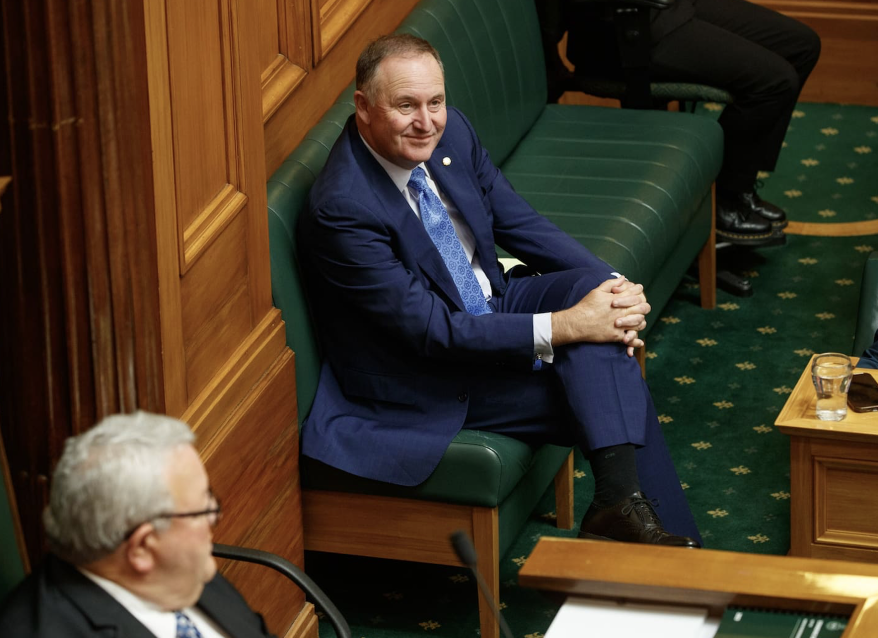
Former New Zealand prime minister Sir John Key
Former New Zealand prime minister Sir John Key also expressed concern in an interview. He noted that, although New Zealand maintains good relations with the United States, Trump’s transactional approach could have complex implications for trade. Key stressed that New Zealand should monitor the potential effects of these policies and prepare for the challenges.
Property: market uncertainty and potential opportunities
Stewart Group chief executive Nick Stewart noted that Trump’s pro-business policies, such as lower corporate taxes and reduced regulation, could boost investor confidence in the short term. However, these policies would also increase volatility in global markets. If the United States adopts tighter monetary policy or triggers trade tensions with China, this could put pressure on global interest rates to adjust, in turn affecting New Zealand’s interest rate outlook and property market.
Some experts suggest Trump’s anti-immigration policies could also create opportunities for New Zealand. If highly skilled migrants in the United States face restrictions under Trump’s policies, New Zealand could attract them to strengthen the competitiveness of its technology sector. This would have some positive effects on New Zealand’s premium property market, particularly by attracting high-net-worth buyers.
How US Federal Reserve interest rate changes affect New Zealand
Following Trump’s re-election, Federal Reserve policy could be influenced by his administration. During his previous term, he repeatedly pressured the Federal Reserve to lower interest rates, reflecting his preference for stimulating the economy through low rates. If he pursues similar policies again, the Federal Reserve could adopt looser monetary policy, weakening the US dollar and affecting the New Zealand dollar’s exchange rate. Investment director Mark Lister noted that Trump’s victory had strengthened the US dollar and weakened the New Zealand dollar. This benefits exporters but also raises import costs, potentially pushing up inflation.
Low US interest rates could encourage global capital to flow into higher-yielding markets such as New Zealand, pushing up asset prices, particularly in the property market. The Reserve Bank of New Zealand may consider lowering domestic interest rates to respond to pressures from this external environment.
How should New Zealand investors respond to the challenges ahead?
Market analyst Samy Sriram noted that Trump’s policies could weaken support for electric vehicles and renewable energy, potentially reducing electric vehicle sales in the short term and affecting investor confidence in Tesla and other smaller electric vehicle manufacturers. Over the longer term, however, higher tariffs on electric vehicle batteries and solar components could create opportunities for companies such as Tesla.
Economic commentator Brad Olsen stressed that, despite the positive short-term market reaction, volatility would continue over the coming weeks. Investors should closely monitor the implementation of the Trump administration’s specific policies, particularly developments in tariffs and trade relations.

International relations and security considerations
Trump’s foreign policy tends to be ‘transactional’, reducing long-term commitments to traditional allies. Charles Finny noted that Trump’s disdain for international organisations such as the United Nations and NATO would undermine the rules-based international order. This is particularly disadvantageous for small countries such as New Zealand, which rely heavily on the stability of that order.
Long-term development and possible responses
Trump’s economic nationalism and uncertainty over global policy mean New Zealand will face new challenges in the coming years. However, New Zealand can respond by stepping up trade liberalisation efforts with other like-minded countries, reducing its reliance on the US market. Attracting highly skilled workers and strengthening cooperation with strategic partners such as Australia will also be key to improving New Zealand’s economic resilience. There is no denying that Trump’s re-election will create an exceptionally complex new global economic environment. New Zealand’s government will need to actively adjust its strategies to balance domestic economic growth with global market volatility.
So, what do you think of Trump’s re-election? How will it affect us? Join the discussion in YIJU’s comments section.