
From low rates to generous cashback: how can savvy home buyers weigh their options and avoid financial traps?
Meanwhile, experts also urge caution over the risks of floating rates. Although some borrowers choose to float briefly while waiting for lower fixed rates, this is a “gamble”.

As the Reserve Bank of New Zealand (RBNZ) has successively cut its Official Cash Rate (OCR), major commercial banks have followed suit, competing for home buyers with lower interest rates and tempting cashback offers. On the surface, buyers appear to have an unprecedented opportunity, but the reality is far more complex than the advertising suggests.
Can falling interest rates and the tempting “carrot” of cashback really deliver financial freedom, or could they conceal higher long-term costs? How will you choose between banks’ generous, sugar-coated offers? Will you enjoy the repayment relief from falling rates, or chase cashback of up to $25,000? Behind a mortgage market seemingly packed with benefits lie complex financial planning considerations.

Falling interest rates: lower repayments or pay off the loan sooner?
Falling mortgage rates give many homeowners an opportunity to ease financial pressure. The question, however, is whether to lower repayments or maintain existing payments to repay the principal faster. Some industry professionals say keeping repayments higher is the wiser choice.
Mortgage adviser Neville Modlin points out that, if cash flow allows, maintaining higher repayments can save substantial interest and significantly shorten the loan term. This “snowball effect” reduces interest costs by paying down the principal, accelerating the overall repayment process. For households already accustomed to higher repayments, it is a sensible way to ease long-term financial pressure.
Meanwhile, experts also urge caution over the risks of floating rates. Although some borrowers choose to float briefly while waiting for lower fixed rates, this is a “gamble”. A more prudent strategy is to split the loan between 6-month and 12-month fixed terms, benefiting from current lower rates while avoiding the risk of relying too heavily on market movements.
Cashback offers: a welcome bonus or a trap?
Alongside falling interest rates, banks’ cashback offers have become another important way to attract customers. First-home buyers can currently receive $5,000 or more in cashback simply by meeting minimum loan requirements, usually $200,000 to $250,000. Some banks have even increased cashback to between 0.8% and 0.9% of the loan amount, up to a maximum of $25,000. This is undoubtedly a welcome incentive for first-home buyers, helping cover initial costs such as moving expenses and legal fees while providing a financial buffer.
However, these cashback offers come with conditions. They typically include a clawback period, requiring customers to keep their loan unchanged for three to four years. If they repay early or refinance during this period, the bank will recover some or all of the cashback on a proportional basis. Cashback is therefore effectively an “interest rate discount” that buyers must “repay” through long-term loyalty.
More importantly, generous cashback may conceal less favourable interest rates or loan terms. Some mortgage advisers warn against letting banks’ “special offer” advertising distract from assessing long-term borrowing costs.
How can you balance interest rates and cashback?
With banks offering multiple incentives, how can borrowers balance securing lower interest rates against pursuing cashback? The following suggestions may help:
1
Cash flow is king
If you can maintain your existing repayment level, prioritise paying off the loan faster. Early repayment reduces interest costs and helps build long-term financial stability.
2
Make flexible use of offset accounts
Borrowers with savings can link them to their mortgage through an offset account to reduce interest costs. This puts spare funds to work while retaining access to the money. For example, if you have a $400,000 mortgage and $20,000 in savings, you can link that $20,000 to the loan so you pay interest only on the remaining $380,000. The savings remain available to withdraw whenever needed, while effectively earning a tax-free return at the mortgage interest rate in the meantime. Some banks also allow customers to link their spouse’s or children’s accounts to the mortgage, rather than just their own savings accounts.
3
Approach cashback carefully
First-home buyers can use cashback sensibly to reduce upfront costs, but should watch the attached conditions. Do not overlook the overall cost of the loan for the sake of a short-term incentive.
4
Spread the risk
When the interest rate outlook is uncertain, splitting a loan across different fixed terms can reduce risk while preserving some flexibility.
Careful planning versus short-term temptation
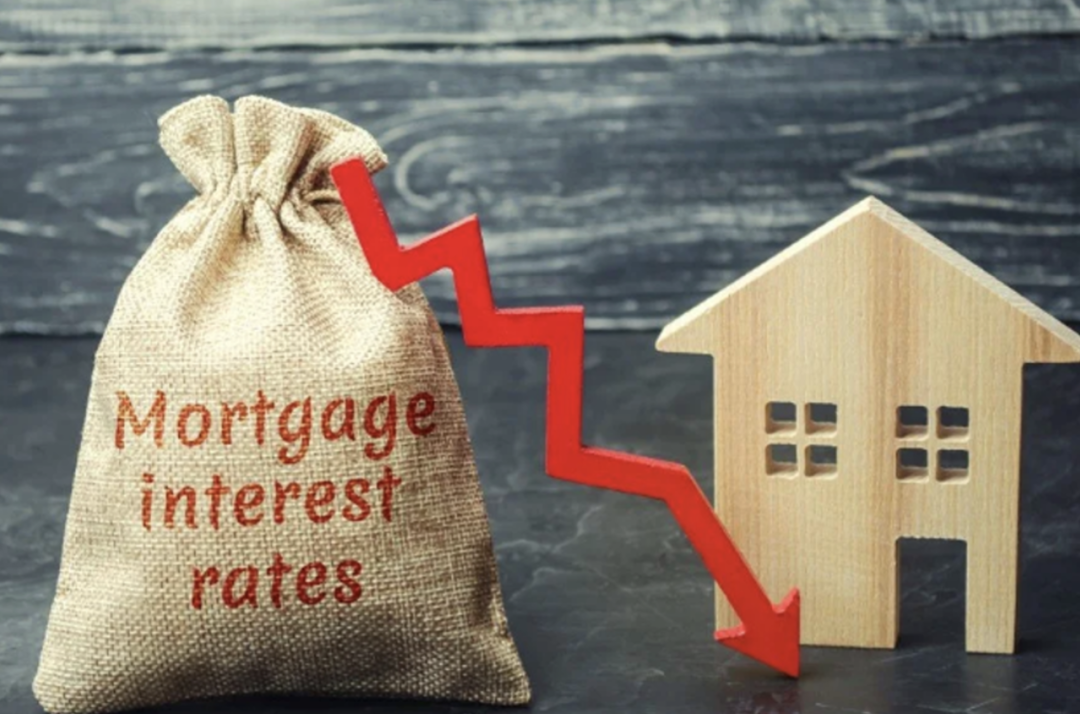
Falling interest rates and cashback offers undeniably provide a double benefit for home buyers, but their real value depends on careful planning and weighing the options. With banks widely expecting the Reserve Bank of New Zealand to cut the OCR by another 50 basis points on 27 November, market interest rates are expected to fall further, giving buyers more scope to adjust repayment strategies and loan structures. However, these opportunities also carry hidden costs and potential risks.
First-home buyers may be attracted by banks’ generous cashback offers, but they need to focus on long-term financial health rather than be swayed by short-term sweeteners. Similarly, homeowners with existing mortgages should focus on reducing long-term interest costs through early repayment or a better loan structure, instead of being distracted by current offers. Calm analysis of market trends and comparison of interest rates and cashback conditions can help borrowers strike a balance in today’s competitive mortgage market and lay the foundations for future financial stability.
*This content is for reference only and does not constitute investment advice.