
Is capital gains tax really coming this time?! How Queenstown’s extraordinary 27% annual RV growth is changing the balance between buyers and sellers
A recent joint report from New Zealand’s Treasury and Inland Revenue states clearly that a capital gains tax is the best way to broaden the tax base and raise revenue.

A recent joint report from New Zealand’s Treasury and Inland Revenue states clearly that a capital gains tax is the best way to broaden the tax base and raise revenue. This recommendation is nothing new in New Zealand, but as population ageing accelerates and the existing tax model becomes increasingly unsustainable, a capital gains tax seems more likely than ever to become a reality.
Why has capital gains tax become the focus?
New Zealand’s current tax system relies primarily on income tax, goods and services tax (GST) and company tax, but there is limited scope to raise more revenue from these taxes. Income tax is already relatively high, company tax needs to remain internationally competitive, and further increases in GST could place a heavier burden on people with low incomes. Against this backdrop, capital gains tax stands out.
The Treasury report states clearly that capital gains tax has the greatest revenue potential compared with other measures to expand taxation. Economist Shamubeel Eaqub also says capital is the “missing piece” in New Zealand’s tax system. At present, gains from property, shares and other capital assets contribute very little tax, despite being an important source of wealth accumulation.
Why is it more urgent than ever?
New Zealand’s population structure is undergoing profound change. An ageing population means a declining proportion of working-age people, making the existing tax model increasingly unsustainable. Data shows that young people and retirees receive greater benefits from taxation and social services, while people in their “prime working years” are net tax contributors. However, as population ageing intensifies, the proportion of net tax contributors is gradually falling—a trend that is “ongoing and irreversible”.
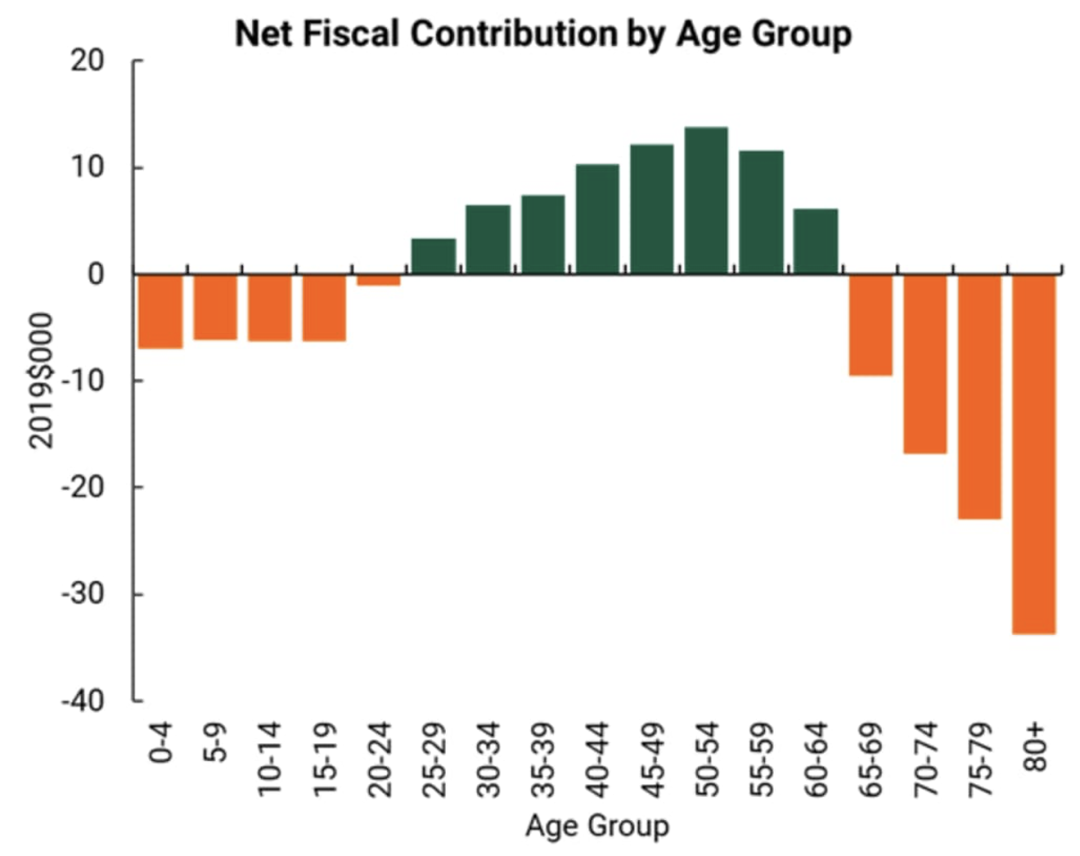
Chart showing net fiscal contributions by age group in New Zealand (Source: RNZ)
Unless the government plans ahead, the revenue shortfall will continue to widen. A capital gains tax could both raise revenue and distribute the tax burden more fairly. After all, substantial capital gains are concentrated among people with high incomes, while those on low incomes mainly pay tax on wages.
Can opposition stop reform?
Although the economic rationale for a capital gains tax is clear, introducing it still faces resistance. Opponents worry that it could discourage investment, particularly in the property market. Political risk is another major obstacle: any tax affecting people’s wealth can easily become a “hot potato” during elections. But can New Zealand’s government keep avoiding the issue? The answer is clearly no. With population ageing and fiscal pressures becoming increasingly apparent, capital gains tax is no longer merely an academic topic; it is a choice that urgently needs to be made.
RV’s double-edged sword: asset gains or a financial burden?
Queenstown’s property market has recently attracted nationwide attention again. Against a backdrop of generally weak house prices across the country, this world-renowned tourist destination has not only remained unaffected but has bucked the trend. According to the latest data released by Valocity and OneRoof, the average rateable value (Rateable Value, RV) of properties in Queenstown-Lakes has risen 27% over the past three years, making it one of the country’s fastest-growing areas for house prices.
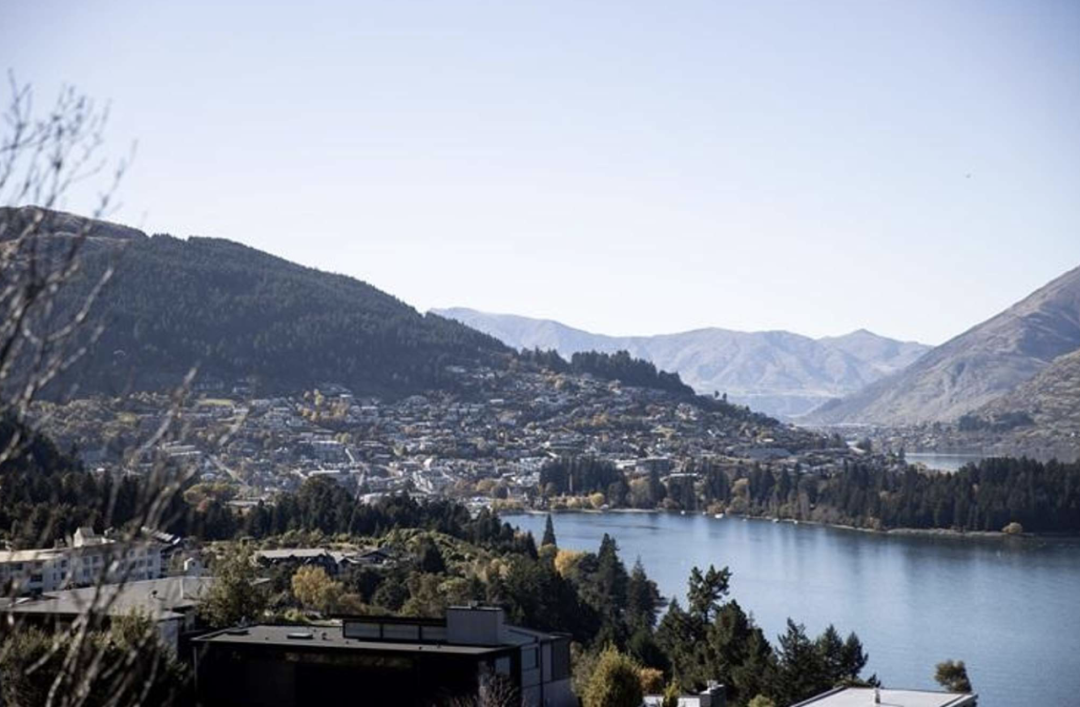
Property prices in Queenstown-Lakes have risen sharply since the last valuation
Queenstown’s remarkable property market growth and distinctive local characteristics
The figures show some astonishing increases: house prices in John Creek have surged 60% to $1,920,000, while Glendhu Bay has recorded a 52% rise to $9,900,000, with the latter’s average house price increasing by as much as $3,380,000. Luxury property sales continue to set new records in these areas favoured by the extremely wealthy. For example, a luxury home on Arrowtown-Lake Hayes Road sold for $9,500,000 in May this year, while a well-known estate on the shores of Lake Wanaka recently sold for a record price.
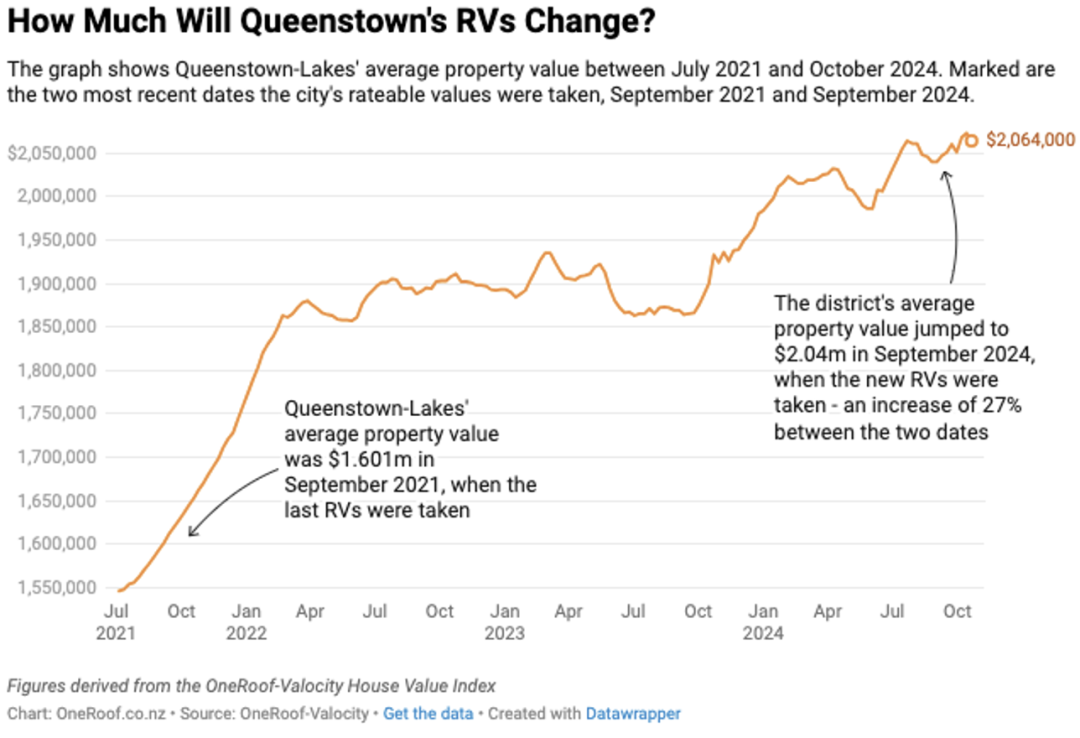
Chart showing changes in Queenstown-Lakes RVs from July 2021 to October 2024 (Source: OneRoof)
In stark contrast to these premium markets, “ordinary” areas such as Sunshine Bay have recorded growth of just 11% over three years, with the average house price rising from $1,000,000 to $1,120,000. This polarisation also reflects the distinctive nature of Queenstown’s market: the premium property market is booming, while buyers in the middle and lower price brackets face severe affordability pressures.
Queenstown’s soaring property valuations demonstrate the area’s appeal while also highlighting the market’s uneven performance. Wealthy people benefit from rising premium property values, while ordinary residents face a continually increasing cost of living. As Deni Bevin puts it, “First-home buying is almost non-existent in Queenstown, and the term ‘affordable housing’ is essentially meaningless.”
For the Queenstown-Lakes property market, however, this imbalance presents both opportunities and challenges. Strong demand at the premium end is invigorating the regional economy, but easing financial pressure on people with low incomes and ensuring sustainable market development are issues local government and market participants must address together. As Bramwell points out, “If you’re a seller, you’ll want RVs to rise; if you’re an owner-occupier, you may want RVs to fall.” Behind this conflict of interests lie broader questions of market regulation and social equity.